


Chicory (Cichorium intybus L.) is a versatile plant known for promoting weight loss and supporting cardiovascular health. It is packed with essential nutrients like fiber, beta-carotene, vitamin C, potassium, and vitamin K.
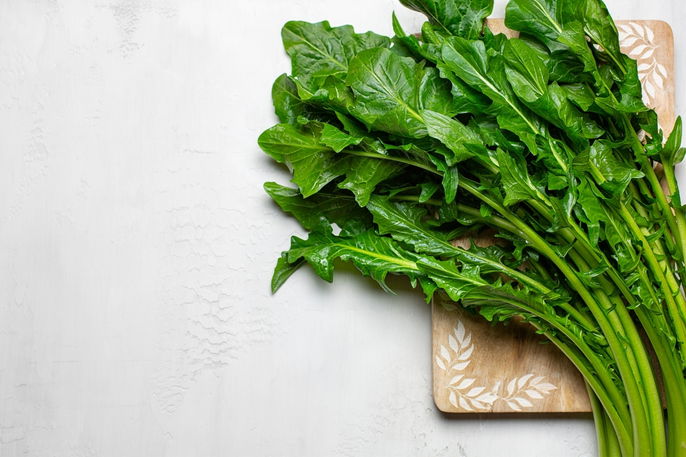
The leaves feature a slightly bitter taste and can be enjoyed raw or cooked in various dishes. They are commonly added to salads, sautés, soups, and savory pies to enhance both flavor and nutrition.
The roots and flowers are frequently found in health food stores for medicinal uses, such as teas or decoctions. Additionally, chicory root can be roasted and ground to create a popular caffeine-free coffee alternative.
Health benefits of chicory
The primary health benefits of chicory include:
1. Promoting weight loss
Chicory is high in fiber, which helps increase the feeling of fullness and satiety. By controlling hunger and reducing overall calorie intake throughout the day, it serves as a helpful tool for weight management.
Furthermore, chicory is a low-calorie vegetable. This makes it an excellent addition to most weight loss meal plans.
2. Supporting gut health
The inulin found in chicory root acts as a prebiotic, which helps balance gut bacteria and reduce inflammation. This may help prevent or manage conditions like irritable bowel syndrome (IBS) and diarrhea.
Additionally, the fiber in chicory leaves helps regulate bowel movements. This promotes regularity and helps prevent constipation.
3. Relieving indigestion
Chicory, particularly the root, helps balance the gut microbiome and improve overall digestion. It also helps reduce stomach acidity, making it useful for managing indigestion, heartburn, or acid reflux.
4. Preventing cardiovascular disease
Chicory leaves are rich in antioxidants like beta-carotene, lutein, zeaxanthin, and vitamin C. These nutrients help manage blood cholesterol levels, which can reduce the risk of cardiovascular issues such as atherosclerosis, heart attacks, or strokes.
The fiber content in both the leaves and roots also helps decrease the absorption of dietary fats. This further aids in cholesterol control and heart protection.
5. Managing diabetes risk
The fiber in chicory leaves and roots slows the absorption of carbohydrates. This helps stabilize blood glucose levels and may prevent insulin resistance and the onset of diabetes.
6. Improving liver function
Chicory root contains inulin, flavonoids, and chicoric acid, along with compounds like lactucin and lactupicrin. These substances stimulate the production of gastric juices and bile, which helps the liver function more efficiently.
7. Maintaining eye health
Because it is rich in the carotenoids lutein and zeaxanthin, chicory supports long-term eye health. These compounds protect the eyes from damage caused by UV rays and blue light from electronic devices, potentially preventing cataracts and macular degeneration.
8. Relieving intestinal gas
Chicory root tea has carminative properties, which help expel excess intestinal gas. This can provide relief from bloating, abdominal pain, or cramping.
9. Soothing muscle and joint pain
Chicory root contains chlorogenic acid and sesquiterpene lactones. These phenolic compounds have anti-inflammatory properties that may help reduce muscle and joint pain associated with conditions like arthritis or gout.
10. Enhancing kidney function
The root and flowers of the chicory plant act as a natural diuretic. This helps improve kidney function and reduces fluid retention or body swelling.
11. Reducing stress and anxiety symptoms
Chicory root has a mild sedative effect on the central nervous system. This promotes relaxation and can help alleviate the physical and mental symptoms of stress and anxiety.
12. Strengthening the immune system
Chicory is loaded with antioxidants, including phenolic compounds and gallic, chicoric, and chlorogenic acids. These protect immune cells from free radical damage, boosting the body’s natural defenses.
13. Preventing premature aging
The antioxidant properties of chicory help fight free radical damage in skin cells. This may help prevent the early formation of wrinkles and maintain skin elasticity.
14. Strengthening bones
Chicory leaves contain vitamin K, saccharides, and flavonoids that improve calcium absorption. Since calcium is essential for bone density, chicory can be a dietary aid in preventing osteoporosis.
Nutritional information
The following table shows the nutritional breakdown for 3.5 oz (100 g) of raw versus cooked chicory:
To maximize these benefits, chicory should be part of a balanced diet and an active lifestyle. Consult a registered dietitian to determine the best way to incorporate chicory into your daily routine.
How to prepare and consume chicory
Chicory leaves are versatile and can be eaten raw in salads and juices or cooked in sautés, pies, and soups. The roots and flowers are typically reserved for teas, decoctions, and coffee substitutes.
1. Chicory tea
This tea is often used to improve digestion, relieve gas, and support liver health.
Ingredients
- 1 teaspoon dried chicory root
- 1 cup water.
Preparation method
Combine ingredients in a pot and bring to a boil. Lower the heat and simmer for 3 minutes. Strain, let cool slightly, and drink. You may consume 2 to 3 cups per day.
2. Chicory decoction
A decoction uses a mix of roots, leaves, and flowers to help with kidney or digestive issues.
Ingredients
- 15 to 30 g of mixed chicory roots, leaves, and flowers
- 1 liter of water.
Preparation method
Boil the mixture for 5 minutes. Strain and allow it to cool. Drink 1 cup before lunch and 1 cup before dinner.
Chicory coffee
This is a popular caffeine-free alternative for those who are sensitive to traditional coffee.
Ingredients
- 1 to 2 teaspoons of fine dried chicory root powder
- 1 cup of water.
Preparation method
Chop dry roots and roast them in the oven at 350°F (180°C) until golden brown. Once cool, grind them into a fine powder. To brew, use 1 to 2 teaspoons of powder per cup of boiling water, using a standard coffee filter and dripper.
Healthy chicory recipes
1. Sautéed chicory
Ingredients
- Fresh chopped chicory leaves (cleaned)
- 1 chopped onion
- 2 to 3 cloves of garlic
Preparation method
Boil the leaves in water for 5 minutes, then drain. In a separate pan, sauté the garlic and onion in olive oil until golden. Add the chicory and sauté for a few more minutes. Serve warm.
2, Chicory salad with yogurt dressing
Ingredients
- 1 bunch of chicory
- 1 medium onion
- 3 oranges
- 1 tbsp chopped mint
- 1 ⅓ tbsp lemon juice
- 6 oz (170g) plain unsweetened yogurt
- salt and pepper.
Preparation method
Mix the mint, lemon juice, yogurt, salt, and pepper to make the dressing. Wash and chop the chicory, slice the onion into rings, and segment the oranges. Toss everything in a bowl with the dressing and serve.
3. Chicory juice
Ingredients
- 1 cleaned chicory leaf
- 7 oz (200 mL) water
Preparation method
Blend the leaf and water until smooth. Drink immediately, preferably without straining or adding sweeteners. This can be taken before meals to stimulate appetite or after meals to aid digestion.
Side effects
When consumed in excess, chicory leaves may cause intestinal gas, frequent belching, or abdominal bloating. Medicinal use of chicory (teas or decoctions) should be supervised by a healthcare provider, as long-term safety data is limited.
Contraindications for use
Chicory should not be consumed by individuals with intestinal or bile duct obstructions, gallstones, diarrhea, or fever.
During pregnancy, avoid large amounts of chicory (tea, coffee, or decoctions), as it may cause bleeding or miscarriage. Breastfeeding women should consult a doctor before use, as its effects on infants are not well-documented.
People allergic to ragweed, marigolds, chrysanthemums, or daisies may also be allergic to chicory. Stop using chicory at least 2 weeks before any scheduled surgery or dental procedure, as it may affect blood sugar control.