


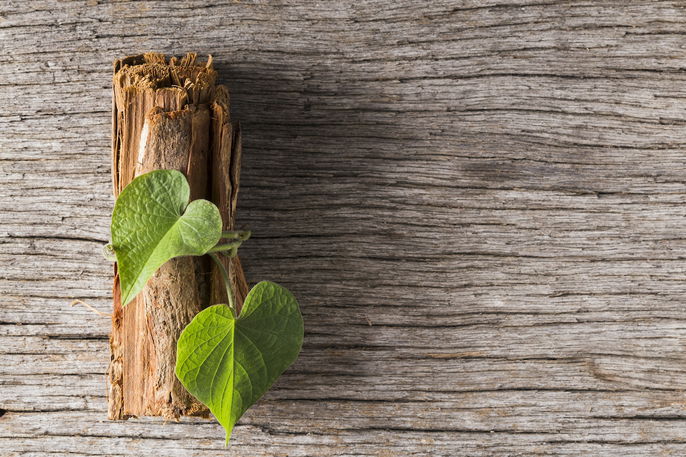
Cat’s claw is a medicinal plant that may help in the management of arthritis, muscle pain, gastritis, and immune system function. It contains anti-inflammatory, antioxidant, and immunomodulatory compounds that may help protect the body.
Cat’s claw most commonly comes from the species Uncaria tomentosa and Uncaria guianensis, and can be taken as a tea, in capsules, or as tinctures. It is often used to help reduce inflammation, support the immune system, and ease symptoms of respiratory conditions and other infections.
Cat’s claw may also support blood pressure control, protect cells from damage, and help manage conditions like gastritis and joint pain. Because it can interact with medications and affect certain health conditions, its use should always be guided by a healthcare professional.
Health benefits
Cat’s claw is used for:
1. Strengthening the immune system
Cat’s claw contains proanthocyanidins and alkaloids with immunomodulatory effects that may help support the immune system.
These compounds stimulate the production of white blood cells and activate immune cells, helping the body fight viruses, fungi, protozoa, and bacteria such as S. aureus, E. faecalis, and P. aeruginosa.
2. Relieving symptoms of arthritis
Cat’s claw has anti-inflammatory effects because its alkaloids help reduce pro-inflammatory substances in the body, including interleukin‑6 and the tumor necrosis factor pathway NF‑κB.
This medicinal plant may help reduce joint inflammation and relieve symptoms of arthritis or muscle pain.
3. Protecting cells from oxidative stress
Cat’s claw contains antioxidant substances, such as flavonoids, tannins, and polyphenols, which help prevent cell damage caused by free radicals.
As a result, cat’s claw may help protect cells from oxidative stress, slow premature aging, and help prevent chronic diseases.
4. Improving gastritis
Because it has anti-inflammatory properties and is rich in antioxidants, cat’s claw may help improve acute or chronic gastritis, especially gastritis linked to the use of high doses of nonsteroidal anti-inflammatory drugs (NSAIDs).
It is also believed that cat’s claw may help with other conditions, such as irritable bowel syndrome (IBS), Crohn’s disease, and ulcers.
However, more scientific studies are needed to confirm these benefits.
5. Helping treat respiratory problems
Because of its anti-inflammatory and immunomodulatory effects, cat’s claw may reduce airway inflammation and help support the treatment of respiratory conditions such as asthma or rhinitis.
This medicinal plant may also help relieve nasal congestion and cough related to these conditions.
6. Relieving sore throat
Because it has antibacterial and anti-inflammatory properties, cat’s claw may help relieve a sore throat caused by tonsillitis.
However, when tonsillitis is caused by a bacterial infection, cat’s claw does not replace antibiotics prescribed by a healthcare provider. According to the CDC, antibiotics are only needed for sore throat when a bacterial infection such as strep throat is confirmed or strongly suspected, and they do not help when the cause is viral.
7. Helping fight cancer
Cat’s claw extract may reduce the growth of, or trigger the death of, different types of cancer cells, including colon, gallbladder, thyroid, and breast cancer cells.
However, the exact mechanism behind this effect is not known, and more scientific studies are needed to confirm this benefit.
Cat’s claw does not replace medical treatment.
8. Supporting breast cancer treatment
Chemotherapy can cause side effects such as leukopenia and neutropenia, which are marked by a lower number of white blood cells in the blood.
Some scientific studies suggest that cat’s claw may reduce side effects and help repair cell damage caused by chemotherapy in people with breast cancer.
However, it should only be used under the guidance of an oncologist because of the risk of interactions with chemotherapy.
9. Helping treat Alzheimer’s disease
Cat’s claw is thought to be a plant that may help support the treatment of Alzheimer’s disease.
This is because one study in rats found that proanthocyanidin B2 in cat’s claw was linked to improved short-term memory, less brain inflammation, and fewer amyloid plaques in the brain.
10. Lowering blood pressure
Rhynchophylline, an alkaloid in cat’s claw, has been shown to inhibit platelet aggregation and thrombosis (blood clot formation), which suggests it may help prevent strokes and lower heart attack risk.
These effects are thought to result from its ability to help lower blood pressure, improve circulation, and reduce plaque and clot formation in the arteries, heart, brain, and other blood vessels.
11. Helping treat skin problems
Cat’s claw may also help support the treatment of skin conditions such as wounds, inflammation, or mild skin infections.
This is because this plant has anti-inflammatory and healing properties. However, more studies are still needed to confirm this benefit.
12. Helping treat infections
Cat’s claw may also help the body fight infections such as gonorrhea and urinary tract infections, but only as a complement to medical treatment.
It does not cure these conditions on its own and should never be used instead of prescribed antibiotics.
Uxi amarelo and cat’s claw
It is common to combine uxi amarelo tea with cat’s claw tea in an effort to boost their immune-stimulating and anti-inflammatory effects.
However, they should not be taken at the same time; each tea should be used at different times of the day, as advised by a doctor.
How to use
The bark, root, and leaves of cat’s claw can be used to make tea, tinctures, or capsules, which are often prepared by compounding pharmacies or sold as herbal supplements.
1. Cat’s claw tea
Cat’s claw tea may be used for arthritis, muscle pain, gastritis, or to support the immune system.
Ingredients:
-
20 g of cat’s claw bark and roots
-
1 liter of filtered water
Directions:
Place the ingredients in a pot and boil for 15 minutes. Then remove from the heat, cover, and let steep for 10 minutes. Strain, let it cool slightly, and drink 1 cup up to 3 times a day between meals.
3. Cat’s claw compresses
Cat’s claw compresses can be made using gauze or a clean cloth soaked in cat’s claw tea.
Apply the compress to the skin over the painful joint or muscle for 15 to 20 minutes.
3. Cat’s claw capsules
The recommended dose of cat’s claw in capsule form may range from 250 to 1000 mg, 2 to 3 times a day, depending on the reason for use.
Because of this, it is important to consult a doctor or qualified herbal practitioner to determine the appropriate dose and duration of cat’s claw based on the condition being treated.
4. Cat’s claw tincture
Cat’s claw tincture may also be taken by mouth. The recommended adult dose is 20 to 40 drops diluted in a glass of water, 2 to 3 times a day, before meals.
It is important to talk to a doctor or herbal specialist and read the product instructions to confirm the exact dose for the condition being treated.
Possible side effects
Cat’s claw is considered safe when used in recommended amounts.
However, using too much may cause side effects such as diarrhea, nausea, stomach pain, lower progesterone and estrogen levels, slower heart rate, neuropathy, and, in rarer cases, liver toxicity and acute kidney failure.
It may also increase the risk of bleeding when used with medications such as warfarin, aspirin, or heparin.
According to the FDA and the National Center for Complementary and Integrative Health, herbal supplements can interact with medications. Cat’s claw, in particular, may increase the risk of bleeding and may worsen autoimmune conditions because it can stimulate the immune system.
Contraindications for use
Cat’s claw should not be used by:
-
Children and adolescents
-
People who are pregnant or breastfeeding
-
People with conditions such as lupus, multiple sclerosis, kidney disease, or leukemia
-
People with an allergy to cat's claw
-
People who use immunosuppressive medications
This medicinal plant should also not be used by people with blood clotting disorders, people taking anticoagulant medications, or people who are scheduled for any type of surgery.
Because it contains alcohol, cat’s claw tincture is also contraindicated for people being treated for alcohol use disorder, people with liver problems, or people taking disulfiram.