


The carnivore diet is a high-protein, low-carb eating plan that focuses on consuming only animal-based foods such as beef, chicken, fish, and dairy products like eggs and cheese. This diet eliminates carbohydrates, including fruits, vegetables, grains, and legumes, in favor of meat and animal fats.
While the carnivore diet may help with weight loss, blood sugar control, and muscle mass gains, it is also associated with potential health risks. Long-term adherence to this diet can lead to nutrient deficiencies, increased cholesterol levels, and a higher risk of kidney stones and cardiovascular disease.
Before starting the carnivore diet, it's important to consult a healthcare provider, especially for individuals with pre-existing conditions like diabetes or high blood pressure. Understanding the health benefits and risks of this diet can help determine if it is a viable option for improving your overall health and wellness.
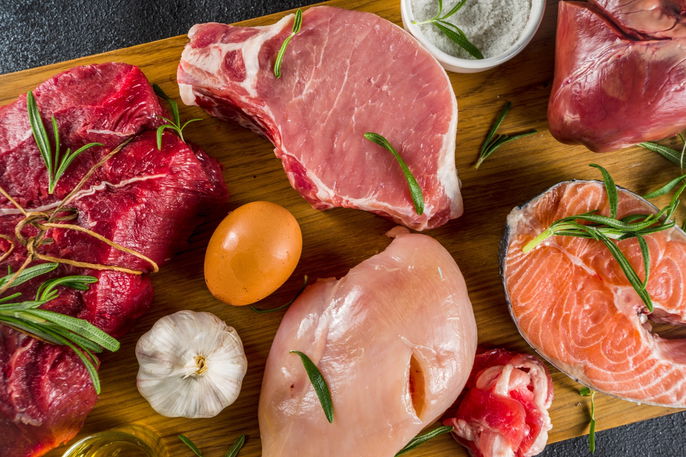
Carnivore diet food list
The carnivore diet is a type of ketogenic diet that is made-up of only animal sources of proteins. You can eat as much meat as you desire, while avoiding foods containing carbohydrates, such as legumes, vegetables, fruits, and grains.
Foods to eat
The foods that are recommended in the carnivore diet are
- Beef;
- Pork;
- Lamb;
- Chicken;
- Turkey;
- Duck;
- Fish;
- Seafood.
Some people may also include eggs in their diet, as well as some dairy products, such as butter and full-fat cheeses.
These foods can be baked, grilled or stewed, and seasoned with aromatic herbs and condiments, such as chives, basil, parsley, black pepper.
Foods to avoid
The foods that should be avoided in the carnivore diet are:
- Fruits, such as apples, pears, oranges, papaya, watermelon, guava, and grapes;
- Vegetables, such as lettuce, tomatoes, watercress, pumpkin, carrots, green beans, and zucchini;
- Grains, such as rice, bread, pasta, corn, and oats;
- Legumes, such as beans, chickpeas, lentils, and soybeans;
- Seeds, such as chia seeds, pumpkin seeds, sunflower seeds, and flaxseed;
- Tubers, such as potatoes, cassava (yuca), sweet potato, yam, taro, and parsnip (batata-baroa);
- Sweets, such as ice cream, cake, jams, candies, and preserves.
Nuts, such as Brazil nuts, walnuts, peanuts and almonds, should not be consumed on the carnivore diet.
Carnivore diet meal plan
The following table outlines a sample 3-day meal plan for a carnivore diet:
The quantity and types of foods consumed may vary according to each person's nutritional needs. Therefore, if you are starting a carnivore diet, you should see a registered dietitian for a complete assessment in order to develop a diet plan that suits your needs.
Health benefits
The possible health benefits of the carnivore diet include:
- Promoting weight loss, as the body starts to use its own body fat as a source of energy instead of carbohydrates;
- Regulating blood sugar levels, as it is a carbohydrate-free diet;
- Helping with gaining or maintaining muscle mass, as protein is an important nutrient in the formation of muscle cells;
- Boosting mood, as this diet can prevent fluctuations in blood sugar levels.
However, scientific studies on humans are still needed to support the possible long-term health benefits of the carnivore diet.
How much weight can you lose per week on a carnivore diet?
It is not possible to know how much weight you can lose per week on a carnivore diet. Weight loss varies from person to person, depending on the types and quantities of food consumed, as well as the intensity and frequency of physical activity.
Health risks
The main health risks of the carnivore diet are:
- Increased risk for cardiovascular disease, as consuming saturated fat and cholesterol in animal proteins in excess can increase LDL cholesterol levels;
- Constipation, as this diet is low in foods with fiber, like legumes, fruits, and vegetables, which are important for optimal gut health and adding bulk to the stool;
- Vitamin deficiency, with low levels of vitamin A, vitamin C, and B vitamins;
- Increased risk for chronic diseases, such as type 2 diabetes and cancer, due to the low intake of antioxidants, which are present naturally in fruits and vegetables.
In addition, the carnivore diet can also increase the risk for kidney stones and gout, as this diet is rich in proteins and purines, which are substances present in foods of animal origin. When purines are consumed in excess, they can increase uric acid levels in the blood.
Also recommended: What is Gout? Causes, Symptoms & Treatment tuasaude.com/en/goutImportant contraindications
People with conditions such as diabetes, kidney disease, gout, high cholesterol, high blood pressure, or cardiovascular disease should not maintain a carnivore diet.
In addition, the carnivore diet is not recommended for people who are pregnant or breastfeeding, nor is it recommended for children.