


- Get urgent care now if tongue bumps come with trouble breathing or swallowing, rapid tongue or throat swelling, severe pain, high fever, or bleeding that won’t stop.
- Schedule a medical or dental exam if bumps last longer than 2 weeks, keep coming back, are getting bigger, or are paired with red/white patches, an ulcer that won’t heal, or unexplained weight loss.
- See a clinician promptly if you think an infection could be involved, especially thick white plaques, fluid-filled blisters, or new bumps after oral sex, since conditions like thrush, herpes, HPV, or syphilis may need prescription treatment and testing.
Bumps on the tongue are a common finding and can have many different causes, ranging from simple irritation of taste buds to more serious health conditions. These bumps can make talking, eating, or swallowing uncomfortable depending on their size and location.
In many cases, bumps on the tongue resolve on their own, especially when linked to injuries, canker sores, or food irritation. However, they may also be related to infections, nutritional deficiencies, or autoimmune conditions.
Because bumps on the tongue can sometimes signal illnesses like HPV, syphilis, or even oral cancer, it is important to understand their possible causes. Recognizing when medical evaluation is needed helps ensure proper diagnosis and treatment.
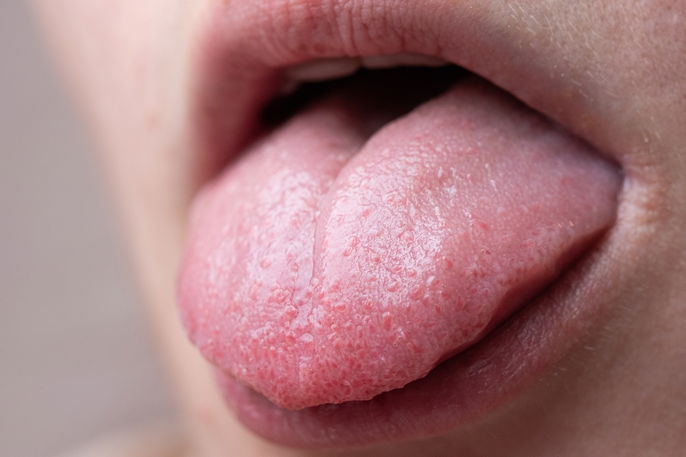
Why do I have bumps on my tongue?
The main causes of bumps on the tongue are:
1. Taste bud inflammation or irritation
Taste buds are small structures on the tongue that can become damaged due to anxiety, acidic foods, hot foods or cigarette smoking. Inflammation of the taste buds can lead to small red bumps on the tongue, which can reduce your ability to taste and cause pain with teeth brushing.
What to do: If your tongue bumps are related to taste bud inflammation or irritation, you should see your doctor to prevent further complications, like infections. Foods like pineapple, kiwi and hot coffee can worsen symptoms.
2. Canker sore
Canker sores are small, flat ulcers that can emerge in any area of the mouth including the tongue. They can make talking or eating uncomfortable. These sores often appear for many reasons, including increased mouth PH (which can happen with poor digestion), biting your tongue, stress, using braces and vitamin deficiencies.
Learn more about what can cause canker sores on the tongue and symptoms associated with them.
What to do: Canker sores normally disappear within a few days, however if they are large or do not heal, you should see your doctor for assessment and possible treatment.
3. Oral thrush
Oral thrush, or a year infection in the mouth, is characterized by an increased growth of fungal cells in the mouth. It can lead to the formation of white plaques and bumps on the throat and tongue. This infection is common in babies due to their underdeveloped immune system and lack of oral hygiene following feeds. It can also occur in adults with weakened immune systems.
What to do: According to the Centers for Disease Control and Prevention (CDC), mild to moderate mouth and throat thrush is often treated with an antifungal medicine applied inside the mouth for 7 to 14 days, such as nystatin or miconazole. It is also important to practice adequate oral hygiene.
4. HPV
HPV is a sexually-transmitted illness that is most known for the appearance of genital warts. However, HPV can also cause small wounds or bumps on the sides of the tongue, the lips or on the roof of the mouth. These wounds can be flesh-colored or be more red or white in color.
What to do: If you have any symptoms of HPV, it is important to consult your doctor to start treatment. Treatment usually involves the use of specific ointments, which should be used daily as prescribed.
Also recommended: HPV in Men: Symptoms, Testing, Transmission & Treatment tuasaude.com/en/hpv-in-men5. B12 deficiency
A B12 deficiency can cause the appearance of ulcerated lumps on the tongue due to decrease immunity. It can trigger changes to the lining of the oral cavity and tongue cells.
A B12 deficiency can also cause symptoms like excessive fatigue, pallor and weakness, while more serious cases can present with shortness of breath, palpitations and vision changes.
What to do: If you suspect you have low B12 levels, you should consult a doctor for assessment and testing, which will help to identify the underlying cause. Treatment usually involves B12 injections and supplementation.
The doctor may also advise increased consumption of B12 foods to help bring your levels up.
6. Transient lingual papillitis
Transient lingual papillitis is an inflammation of the papillary buds on the tongue. It is associated with symptoms like painful bumps on the tongue (which can vary from just one to multiple), which commonly appear on the sides of the tongue, tip of the tongue or back of the tongue-
Other symptoms that may emerge include the feeling of burning or numbness, changes to taste, or dry mouth. This condition is caused by tongue injuries, food allergies, hormonal changes or viral infections.
What to do: Generally, symptoms disappear within a hours to days without any treatment. However, you should consult a family doctor, dentist or pediatrician if you symptoms are intense, occur frequently or persist. The doctor may recommend medications, like analgesics, or antiseptic mouth gargles.
7. Cold sores
Although it is uncommon, herpes can develop on the tongue, causing cold sores, which are fluid-filled blisters that turn into ulcers with red edges. These bumps are associated with pain and swelling. They are contagious and are transmitted through the saliva, particularly if the bumps rupture.
What to do: In general, herpes on the tongue does not require treatment, as the immune system is able to fight the virus on its own. However, there are some antiviral drugs, such as acyclovir and valacyclovir, which can be prescribed by your doctor to speed up healing.
Read more about the cold sore medicine that your doctor may prescribe.
8. Syphilis
When syphilis is transmitted through oral sex, it is possible for small bumps on the tip of the tongue to appear at the beginning of the disease. These are known as a chancres, and they typically have a lighter-colored center with raised, hard edges.
Read more about the symptoms of syphilis and how they can present.
What to do: it's important to consult a urologist or gynecologist so that the most appropriate treatment for syphilis can be indicated. It usually involves a penicillin injection, which is an antibiotic that is prescribed by a doctor.
9. Oral cancer
One of the symptoms of oral cancer is bumps on the tongue, similar to a canker sore. These bumps are painful and will bleed and grow over time. In addition, you may also notice red or white patches on the throat, gums or tongue, as well as small, superficial wounds that can interfere with eating and talking.
What to do: According to the American Cancer Society, it’s important to see a doctor or dentist if a mouth sore, lump, or other mouth changes last more than 2 weeks, so the cause can be identified and treated if needed. Treatment may involve the removal of any tumors followed by radiation or chemotherapy.
10. Oral lichen planus
Oral lichen planus is a chronic inflammatory disease that can affect the lining of the mouth, including the tongue.
It usually appears as white patches, bumps, or small raised spots with a lace-like pattern that can cause burning or pain.
These lesions occur due to an autoimmune reaction in which the immune system mistakenly attacks the cells of the oral lining.
What to do: It is recommended to see a dentist or dermatologist for diagnosis and treatment, which may include mouth rinses or ointments with corticosteroids to control inflammation and relieve discomfort.
11. Lingual amyloidosis
Lingual amyloidosis happens when abnormal proteins called amyloids build up in the tissues of the tongue, causing swelling and the formation of bumps on tongue that may interfere with speaking and swallowing.
What to do: A specialist should be consulted, as treatment will depend on the underlying condition that causes amyloidosis.
Treatment for lingual amyloidosis may include the use of medications such as patisiran or tafamidis meglumine, for example. Other possible treatments include surgery to remove the affected tissue or even a bone marrow or organ transplant, depending on the situation.
12. Glossitis
Glossitis is inflammation of the tongue, which can affect the entire surface or only specific areas.
In some cases, this inflammation causes swelling and painful bumps on tongue due to inflamed taste buds.
Glossitis can be linked to nutritional deficiencies, allergies, infections, or reactions to medications.
What to do: The cause of glossitis should be identified by a doctor or dentist. Treatment may include dietary adjustments, vitamin supplements, or medications, depending on the cause.
13. Mucocele
A mucocele is a benign cyst that forms when a minor salivary gland becomes blocked, leading to the accumulation of saliva inside. It usually appears as a soft bump under the tongue.
These bumps on tongue are not painful but may grow, rupture, or sometimes reappear in the same spot.
What to do: In most cases, these cysts go away on their own. However, if they persist, a doctor or dentist may recommend a minor surgical procedure to remove the affected gland.