


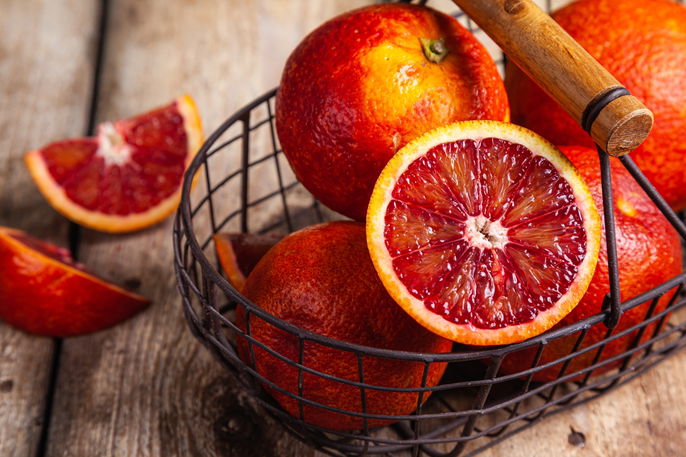
Blood orange (Citrus sinensis L. Osbeck) is a fruit native to Sicily, Italy. It may offer health benefits such as supporting weight management, helping prevent premature aging, and reducing the risk of anemia.
Also known as the Moro orange, this variety features deep red flesh due to its high anthocyanin content. Its potential health benefits stem from key nutrients and bioactive compounds, including vitamin C, anthocyanins, and coumarins, which provide antioxidant and anti-inflammatory effects.
Blood orange can be eaten fresh or used in recipes for juice, salads, and cakes. It is also sold as capsule supplements labeled as blood orange extract.
Main benefits
The main uses and potential benefits of blood orange include:
1. Helping with weight loss
Blood orange, especially in supplement form, may help with weight loss because it contains the anthocyanin cyanidin-3-glucoside. This natural pigment appears to be associated with reduced body fat.
More human studies are still needed to confirm whether blood orange meaningfully supports weight loss.
2. Supporting immune system regulation
Because it contains anthocyanins, vitamin C, caffeic acid, and coumarin, blood orange may help support the activity of immune defense cells. This may contribute to overall immune function.
3. Preventing premature aging
Blood orange may help prevent premature aging because it contains bioactive compounds with antioxidant action. These antioxidants help protect the skin from damage caused by free radicals.
4. Helping prevent anemia
Blood orange provides vitamin C, which can help prevent anemia by improving the absorption of iron from plant-based foods, according to the National Institutes of Health (NIH) Office of Dietary Supplements.
5. Supporting intestinal health
Blood orange's fiber content supports intestinal health by promoting proper stool formation and stimulating natural bowel movements, which can help prevent constipation, based on guidance from the National Institute of Diabetes and Digestive and Kidney Diseases (NIDDK), part of the NIH.
6. Helping reduce the risk of cancer
Bioactive compounds in blood orange, such as chrysanthemin, coumarin, and caffeic acid, have antioxidant activity that may help reduce cancer risk.
Human studies are still needed to confirm this potential anticancer effect of blood orange.
7. Preventing cardiovascular disease
Blood orange contains bioactive compounds with antioxidant and anti-inflammatory activity. These compounds may help reduce oxidation of fat cells and support healthy arteries, which can help balance blood cholesterol levels and support healthy blood circulation.
In this way, blood orange may help reduce the risk of cardiovascular diseases such as heart attack, atherosclerosis, and angina.
Nutrition facts
The table below provides nutritional information for 1 medium blood orange (154 g):
These benefits are usually achieved by incorporating blood orange supplements into a healthy diet combined with regular exercise.
How to consume
Blood orange tastes sweet with a slightly tart note. Its flavor can resemble fruits like raspberries and currants.
It can be eaten fresh or used in recipes for juices, cakes, salads, sauces, jams, and pies. It is also available as capsule supplements.
Blood orange extract
Blood orange extract is a supplement sold in compounding pharmacies, drugstores, and natural health stores. It is typically available as capsules marketed as blood orange extract or Moro orange extract.
This supplement may be used to support weight maintenance or weight loss, support immune function, and help manage cholesterol levels. A commonly suggested dose is 1 capsule of 400 mg or 500 mg per day, taken with a glass of water with breakfast, lunch, or dinner.
It is important to follow the guidance of a doctor or a registered dietitian regarding dose, administration, and duration of use, which should be tailored to each person's individual goals.
Side effects
Because it is an acidic fruit, blood orange, whether eaten fresh or taken as a supplement, may cause stomach or esophageal irritation and pain in people with gastritis, gastric ulcers, or gastroesophageal reflux disease.
Who should avoid
Blood orange supplements are not recommended for people who are pregnant or breastfeeding. They are also not recommended for children.