


- Seek urgent care for blisters with facial or throat swelling, trouble breathing, or fast-spreading hives, as these can signal a severe allergic reaction.
- Medical evaluation is recommended when blisters are widespread, involve the eyes or genitals, or come with fever, intense pain, or a rapidly worsening rash.
- See a clinician if blisters keep returning, last longer than 2 to 3 weeks, or show signs of infection such as increasing redness, warmth, swelling, pus, or red streaks.
Blisters are small fluid-filled pockets that develop on the skin in response to irritation or inflammation. They can appear anywhere on the body and are often caused by factors such as allergic reactions, heat rashes (like miliaria), or conditions like dyshidrosis, which produce itchy, fluid-filled bumps on the hands or feet.
Some blisters contain clear fluid, and breaking them increases the risk of larger skin wounds or infection. When caused by a fungal infection, fluid-filled blisters may also produce intense itching, redness, burning, pain, and an unpleasant odor.
Viral infections such as herpes, chickenpox, and mpox can cause blisters that spread beyond the initial area. Treatment varies depending on the underlying cause and may involve cold compresses, antihistamines, corticosteroids, antiviral medication, antifungal creams, and general skin care while a healthcare provider determines the exact diagnosis..
Common causes
The most common causes of blisters are:
1. Allergic reaction
Allergic reactions can lead to small blisters surrounded by red or white skin. These blisters often contain clear fluid and may be accompanied by symptoms such as severe itching, crusting, or open sores. They develop as part of an inflammatory response and can appear anywhere on the body.
Blisters caused by an allergic reaction can appear within minutes or several hours after contact with an irritating substance such as certain foods, medications, jewelry, animal fur, perfumes, cleaning products, plants, latex, or insect bites.
How to heal: Cleanse the affected area with cold water and a mild soup and avoid any further contact with the irritant. Depending on the severity of the reaction, a healthcare provider may prescribe oral or topical antihistamines and corticosteroids.
Severe symptoms should be assessed at the hospital, as IV medications may be necessary.
2. Dyshidrosis
Dyshidrosis is a skin disease that can cause small fluid-filled blisters. They generally appear on the palms of the hands, sides of the fingers, or bottoms of the feet, and are associated with intense itching that can last for 3 weeks.
The exact cause of dyshidrosis is unknown, but it tends to occur more often in the summer and during times of stress. Having a family history of the condition and frequent hand washing may also worsen symptoms.
How to heal: To ease symptoms and help prevent the condition from worsening or becoming infected, apply a cold compress to the affected area for about 15 minutes, two to four times a day. Your dermatologist may also prescribe medications such as prednisone, loratadine, or corticosteroids.
3. Monkeypox
Mpox (formerly known as monkeypox) is an illness that causes itchy blisters, which usually appear first on the face before spreading to the chest, hands, and feet. The rash can also affect the skin in the genital area.
Mpox is primarily transmitted from animals to humans through bites from infected animals, consumption of undercooked meat, or contact with the bodily fluids of infected animals. It can also spread from person to person through respiratory droplets and direct contact with infected skin lesions or wounds.
How to heal: Patients are typically isolated until the infection clears. Basic skin care is advised to prevent blisters and wounds from becoming infected. According to the Centers for Disease Control and Prevention (CDC), there is currently no FDA-approved treatment specifically for mpox; most people recover with supportive care and pain management.
A healthcare provider may prescribe pain relievers for associated symptoms and recommend vaccination to reduce the risk of complications or worsening illness.
4. Chickenpox
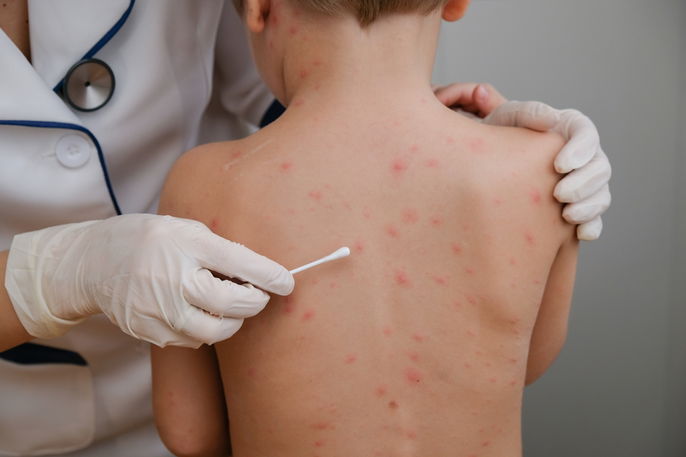
Chickenpox is an illness caused by the varicella-zoster virus. It is characterized by small, fluid-filled blisters that appear across the body and often cause intense itching, which can lead to skin wounds from scratching.
How to heal: Rest and take the medications your doctor prescribed, such as acetaminophen to reduce fever or an antihistamine to relieve itching.
Avoid close contact with others and take precautions to prevent spreading the illness through saliva, coughing, or sneezing. The Centers for Disease Control and Prevention (CDC) notes that chickenpox spreads from person to person through direct contact or by breathing in tiny droplets from blister fluid or respiratory secretions.
5. Miliaria
Miliaria is marked by small, itchy blisters on the skin that may contain fluid or pus. A burning sensation is also common and can occur anywhere on the body, though it most often affects the face, neck, back, chest, and thighs.
Miliaria occurs when sweat ducts become blocked, trapping sweat beneath the skin and leading to inflammation. It is common in newborns but can affect people of any age. Contributing factors include hot or humid environments, intense physical activity, and high fevers.
How to heal: Wear light, loose-fitting clothes made from cotton to allow your skin to breathe. Avoid creams or ointments that contain mineral oils, as these can clog pores.
To ease discomfort from blisters, you can apply chamomile compresses to the affected areas. Your doctor may also recommend calamine lotion or another topical antihistamine.
6. Herpes
There are two main types of herpes viruses that cause fluid-filled blisters, often accompanied by tingling, pain, and sores.
Herpes simplex usually affects the lips and mouth, a condition commonly known as oral herpes. This virus can also infect the genital area, where it is referred to as genital herpes.
Herpes zoster, also known as shingles, typically affects the chest, back, and abdomen, although blisters can sometimes appear around the eyes or ears.
How to heal: A healthcare provider may prescribe oral or topical antiviral medications, such as acyclovir, famciclovir, or valacyclovir, to help relieve pain from the blisters and prevent them from worsening. It’s important to wash your hands after touching the blisters and avoid breaking them.
To prevent spreading the infection, avoid kissing, sharing personal items (such as utensils, cups, or towels), and always use a condom during sexual contact.
7. Pemphigus
Pemphigus is a non-contagious autoimmune disease that causes soft blisters to form on the skin. These blisters break easily within hours or days and require a long time to heal. The condition can also affect mucous membranes, including those in the mouth, eyes, nose, throat, and genital area.
How to heal: A dermatologist should oversee treatment and may prescribe corticosteroids or immunosuppressants to manage or prevent blisters. If blisters or wounds become infected, they can be treated with antibiotics, antifungal, or antiviral medications.
8. Hand, foot and mouth disease
Hand, foot and mouth disease is a highly contagious illness that most often affects children under 5 years old. It causes painful blisters on the hands, feet, and sometimes around the mouth or genital area.
This disease is caused by a Coxsackie group virus and can spread from person to person or through contact with contaminated food or objects.
How to heal: Treatment usually lasts about seven days and is monitored by a pediatrician or primary care provider. To ease discomfort, the provider may prescribe antihistamines for itching and medications such as acetaminophen to reduce fever and other symptoms.
9. Seroma
A seroma is a collection of clear fluid that builds up under the skin, often near a surgical incision. It commonly occurs after procedures such as plastic surgery, abdominoplasty, liposuction, breast surgery, or a cesarean section.
How to heal: Small seromas often reabsorb on their own and usually resolve within 10 to 21 days. However, in some cases, a doctor may prescribe medications such as antibiotics, pain relievers, or anti-inflammatory drugs. Larger seromas might need to be drained (aspirated) to remove the excess fluid.
10. Athlete’s foot
Athlete’s foot, also known as tinea pedis, is a superficial skin infection caused by fungi that mainly affects the feet.
Tinea pedis can cause itching, burning, an unpleasant odor, and, in some cases, blisters. It spreads through direct contact with infected people or animals, or by walking on contaminated surfaces such as public showers, locker rooms, or swimming pools.
How to heal: To relieve symptoms, a healthcare provider may prescribe antifungal creams containing active ingredients such as ketoconazole, fluconazole, or isoconazole.
In addition, it’s essential to take certain precautions to prevent the infection from spreading and to avoid infecting other people.
It’s recommended to dry your feet well, especially between the toes, after bathing; apply antifungal powder inside your shoes; and wear flip-flops when using public bathrooms or shared showers.