


- Potatoes are rich in resistant starch and fiber, which help prolong satiety and support healthy weight management.
- High levels of potassium and antioxidants in this tuber contribute to better blood pressure control and immune function.
- Eating potatoes with the skin on maximizes nutrient intake, particularly when prepared by baking or boiling rather than frying.
Potatoes, often called white potatoes, are tubers loaded with fiber and resistant starch. This specific carbohydrate acts like fiber in the body to prolong feelings of fullness, curb appetite, and support weight loss efforts.
These tubers naturally contain polyphenols and flavonoids, which are compounds with powerful antioxidant and anti-inflammatory properties. Including them in your diet may help prevent chronic health issues like high blood pressure, diabetes, and certain types of cancer.
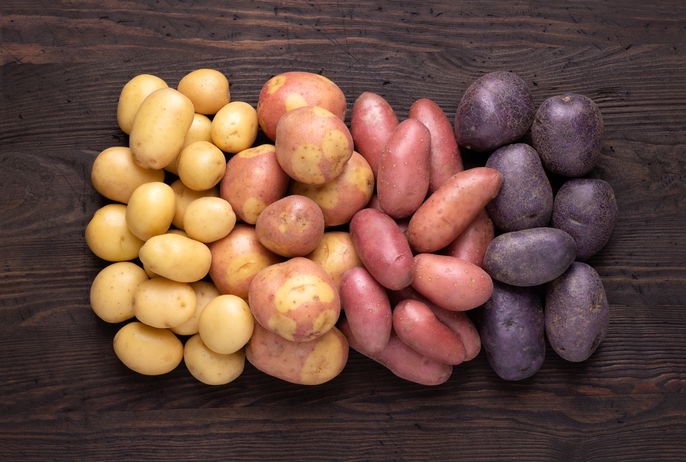
You can find many potato varieties at grocery stores, such as Russet, red-skinned, and fingerling potatoes, which vary in texture and skin color. They are incredibly versatile ingredients that work well in mashed dishes, soups, baked recipes, and hearty stews.
Health benefits
The main health benefits of consuming potatoes include:
1. Helping with weight loss
Potatoes contain fiber and significant amounts of resistant starch, which are nutrients that help regulate satiety and reduce cravings between meals. This can naturally decrease overall food intake and support weight management goals.
Additionally, potatoes generally have fewer calories than other starch-heavy tubers like sweet potatoes. Consequently, adding plain potatoes to your meal plan can be a smart choice for weight loss diets.
2. Improving energy levels
Since they are rich in carbohydrates, potatoes provide essential fuel for the brain and help improve mental alertness. This vegetable is also an excellent option for athletes or active individuals, as it boosts energy stores and strength for workouts.
3. Controlling blood pressure
Potatoes are rich in potassium, a mineral that acts as a natural diuretic. According to the American Heart Association (AHA), foods rich in potassium are vital for managing high blood pressure because they help the body eliminate excess sodium and ease tension in blood vessel walls. This process directly supports healthy blood pressure regulation.
Furthermore, potatoes, especially those with yellow flesh and skins, contain catechins and carotenoids, which are antioxidants that support arterial health. These compounds help relax blood vessels, further assisting in the prevention of high blood pressure.
4. Maintaining gut health
The resistant starch found in potatoes is not fully absorbed by the body and functions similarly to soluble fiber. It serves as a prebiotic food for beneficial gut bacteria, helping to prevent issues like intestinal infections, diarrhea, and constipation.
5. Supporting eye health
Potatoes offer good amounts of lutein and zeaxanthin, particularly in the skin and varieties with yellow or orange flesh. These antioxidants protect the eyes from free radical damage, potentially helping to prevent cataracts and macular degeneration.
6. Helping to manage diabetes
Thanks to their fiber and resistant starch content, potatoes can help slow down the absorption of carbohydrates. This promotes better stability in insulin and blood glucose levels, which is helpful for managing diabetes.
However, like any carbohydrate, potatoes can spike blood sugar if eaten in large amounts. To manage this, it is best to eat small portions with the skin on and pair them with protein (like eggs or fish), healthy fats (like olive oil), and fiber-rich vegetables (like leafy greens) to slow absorption.
7. Combating insomnia
Potatoes contain magnesium, B vitamins, and tryptophan, which are key nutrients for nervous system health. These compounds aid in the production of serotonin, a hormone that promotes relaxation and helps improve sleep quality.
8. Helping to prevent cancer
Rich in carotenes and flavonoids, potatoes possess antioxidant and anti-inflammatory properties that may reduce cancer risk. These compounds fight excess free radicals, which are the primary cause of damage to healthy cells.
9. Relieving heartburn and indigestion
Potatoes, particularly raw potato juice, are alkaline and have soothing anti-inflammatory effects. This can help neutralize stomach acid to relieve burning sensations, pain, heartburn, and general indigestion.
Read more about the benefits of potato juice and how to make it.
10. Strengthening the immune system
With their content of carotenoids, vitamin C, and flavonoids, potatoes help strengthen immune cells. This offers the body better protection against common ailments like allergies, colds, and the flu.
Do potatoes make you gain weight?
Like other starchy vegetables, potatoes are high in carbohydrates, which can contribute to weight gain if consumed in excess.
Also recommended: High Carb Foods: 30 Sources, Benefits & How to Eat Them Right tuasaude.com/en/high-carb-foodsHowever, because they are rich in fiber and resistant starch, they help keep you full longer and reduce the urge to snack throughout the day. Therefore, when prepared healthily and eaten in moderation, potatoes can actually be a helpful part of a weight loss plan.
Nutritional information
The following table outlines the nutritional value for 5 oz (140g), which is approximately one medium boiled potato, with and without the skin:
To maximize the benefits of potatoes, it is essential to maintain a balanced diet and exercise regularly.
How to consume
Potatoes are incredibly versatile; they can be juiced raw or cooked by boiling, baking, or stewing. Common preparations include soups, mashed potatoes, breads, sautéed dishes, and stuffed potatoes.
To get the most nutrition, it is recommended to eat the skin, which is packed with fiber, vitamins, and minerals. It is also important to choose healthy cooking methods, such as roasting or boiling, rather than frying.
Tasty recipes with potatoes
Healthy ways to enjoy this vegetable include mashed potatoes with herbs, sautéed potatoes, and stuffed potatoes.
1. Mashed potatoes with herbs
Ingredients:
-
2.2 lbs (1 kg) potatoes
-
¼ cup olive oil
-
3 cloves garlic
-
¼ cup cilantro leaves
-
¼ cup parsley leaves
-
4 stalks scallions (green onions)
-
1 tsp salt
-
Black pepper to taste
Preparation:
Wash, peel, and quarter the potatoes. Place them in a pot, cover with water, add salt, and boil over medium heat until very soft. Reserve ½ cup of the cooking water, then drain. Mash the potatoes in a bowl while hot, gradually adding the reserved water until smooth.
Wash and chop the cilantro, parsley, and scallions. Peel and mince the garlic. In a pan, sauté the garlic in olive oil for 2 minutes. Remove from heat and stir in the chopped herbs. Pour this herb mixture over the mashed potatoes, mix well, and serve.
2. Sautéed potatoes
Ingredients:
-
2.2 lbs (1 kg) baby potatoes
-
2 tbsp butter
-
3 tbsp chopped parsley
-
1 tsp salt (plus more for boiling water)
-
Black pepper to taste
Preparation:
Wash the potatoes well. Place them in a pot, cover with water and a pinch of salt, and cook over medium heat until tender but still firm. Drain thoroughly. In a non-stick skillet, melt the butter and add the potatoes, 1 teaspoon of salt, and pepper. Sauté for about 10 minutes, stirring occasionally, until golden. Remove from heat, toss with parsley, and serve.
3. Stuffed potato with vegetables
Ingredients:
-
1 large potato
-
1 tbsp olive oil
-
2 tbsp chopped cooked broccoli
-
1 tbsp chopped cooked carrots
-
1 tbsp chopped cooked green beans
-
½ tsp fresh basil
-
Black pepper to taste
-
3 tbsp cottage cheese
-
1 tbsp grated Parmesan cheese
-
1 pinch of salt
Preparation:
Wash and dry the potato, then pierce it several times with a fork. Microwave on a plate for 15 minutes, turning halfway through. Meanwhile, mix the salt, basil, cottage cheese, and pepper in a small bowl. Once the potato is cool enough to handle, slice it lengthwise and scoop out a small amount of the flesh. Fill with a layer of the cottage cheese mixture, add the vegetables, and top with the remaining cheese mixture. Sprinkle with Parmesan, microwave for another 2 to 3 minutes, and serve