


Bananas are a fruit that provide several health benefits, including supplying energy, helping prevent high blood pressure and muscle cramps, and supporting mood balance.
These effects are linked to their rich content of carbohydrates, fiber, potassium, magnesium, B vitamins, and vitamin C.
Bananas can be eaten fresh, used as banana flour or green banana puree in sweet and savory recipes, and even prepared as banana tea.
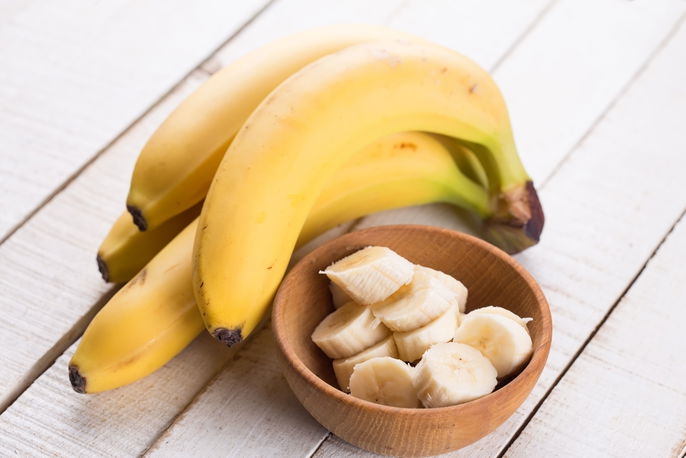
Main benefits of bananas
The main benefits of bananas include:
1. Regulate bowel movements
Bananas help regulate bowel movements because they are high in fiber, which can relieve constipation, especially when eaten ripe.
When eaten green, bananas can help manage diarrhea by reducing the frequency of bowel movements, since they increase water and electrolyte absorption in the intestines.
2. Support weight management
Green bananas may help reduce appetite because their fiber content slows digestion. For this reason, bananas can be included in a balanced diet to support healthy weight control.
3. Help prevent high blood pressure
Bananas are rich in magnesium and potassium, minerals that help relax blood vessels and improve circulation. Potassium also promotes the elimination of excess sodium through urine, which helps prevent and lower high blood pressure.
4. Prevent muscle cramps
Bananas contain potassium and magnesium, which are essential for electrical conduction, muscle contraction, and recovery. Eating bananas can help prevent cramps and support better physical performance.
5. Support mental health
Bananas provide tryptophan, an amino acid involved in producing hormones that regulate mood and promote relaxation. Their magnesium content also helps reduce anxiety and support overall well-being.
6. Strengthen the immune system
Bananas are a source of vitamin C, a powerful antioxidant, and vitamin B6, which supports the production of antibodies and immune cells. Together, these nutrients help regulate and strengthen the immune system.
7. Prevent premature aging
Because bananas contain vitamin C, which supports collagen production and has antioxidant properties, they can help prevent premature aging by delaying the appearance of wrinkles and skin sagging.
8. Help control cholesterol
The fiber in bananas reduces cholesterol absorption in the intestines, supporting cardiovascular health and lowering the risk of heart attack, atherosclerosis, and stroke.
9. Reduce the risk of colon cancer
Bananas are rich in soluble and insoluble fiber, antioxidants, nutrients, and bioactive compounds that support digestive health and help lower the risk of colon cancer. The fermentation of banana fiber by healthy gut bacteria produces substances like butyric acid, which strengthen gut health.
10. Provide energy for exercise
Bananas are a good source of carbohydrates, vitamins, and minerals, which makes them a popular option before workouts. They supply energy, improve performance, and help prevent cramps.
11. Relieve stomach acidity
Bananas may help reduce stomach acidity and protect against ulcers because they contain leucocyanidin, a flavonoid that thickens the stomach lining and neutralizes stomach acid.
12. Support metabolism
Bananas contain nutrients and vitamin B6, which are important for maintaining a balanced metabolism. These nutrients take part in chemical reactions that allow the body to use the energy from food.
Nutritional information
The table below shows the nutritional composition of 100 g of ripe banana:
Banana peels contain about twice as much potassium and can be used in recipes such as cakes and desserts. To enjoy all these benefits, bananas should be part of a balanced diet.
How many calories are in a banana?
Banana calories vary depending on the type and size. A large banana (136 g) has about 121 calories, while a small banana (101 g) contains around 90 calories.
How to eat bananas
Bananas can be eaten fresh daily, like any other fruit. The general recommendation is 2 to 3 servings of fruit per day, or about 160 to 240 g. For people with diabetes, greener bananas are preferred because they contain less sugar.
Green banana puree, banana flour, and banana peel can also be used in smoothies, cakes, breads, juices, pancakes, and teas.
Difference between green and ripe bananas
Green bananas are higher in soluble fiber, especially pectin. As bananas ripen, fiber content decreases and converts into natural sugars.
How to eat bananas without gaining weight
To eat bananas without gaining weight, pair them with foods rich in protein or healthy fats, such as:
-
Banana with peanuts, nuts, or peanut butter, which provide healthy fats and B vitamins
-
Mashed banana with oatmeal, as oatmeal is high in fiber that helps regulate banana sugar absorption
-
Banana blended with a slice of cheese, which provides protein and fat
-
Banana as a dessert after main meals, since eating it with salads and protein like meat, chicken, or fish balances its carbohydrates
Other tips include eating bananas before or after exercise and choosing smaller, less ripe bananas to reduce sugar intake.
Banana recipes
1. Banana oat cake
Ingredients:
-
3 medium ripe bananas
-
3 eggs
-
1 cup rolled oats or oat bran
-
1/2 cup raisins or dates
-
1/2 cup oil
-
1 tbsp cinnamon
-
1 tbsp baking powder
Preparation:
Preheat the oven to 350°F (180°C). Blend all ingredients in a blender and pour into a greased pan. Bake for about 30 minutes or until a toothpick inserted comes out clean. Let cool slightly before serving.
2. Banana smoothie
Ingredients:
-
1 medium banana
-
2 tbsp oats
-
1 tbsp peanut butter
-
200 ml cold milk
Preparation:
Place all ingredients in a blender, blend for about 1 minute, and drink immediately.