


Amaranth is a grain that offers several health benefits, such as lowering the risk of heart disease, promoting muscle growth, and supporting weight loss.
These effects are possible because amaranth contains high amounts of nutrients and bioactive compounds like protein, fiber, minerals, flavonoids, and carotenoids.
It’s available as flakes, flour, or whole grains, and can be used to make cakes, bread, and pancakes, or added to yogurt, salads, and smoothies.
Health benefits
The main health benefits of amaranth include:
1. Reducing the risk of heart disease
Amaranth can help lower the risk of heart disease because it’s rich in fiber, which helps control total cholesterol, triglycerides, LDL, and VLDL cholesterol levels.
It also provides bioactive peptides, polyphenols, carotenoids, tocopherols, and squalene, which help relax blood vessels and prevent high blood pressure.
2. Supporting muscle gain
Because it contains high-quality protein and potassium, amaranth supports muscle recovery and helps increase muscle mass.
3. Lowering the risk of cancer
Amaranth contains flavonoids and betacyanins, which are antioxidant compounds that help prevent the growth of cancer cells and may reduce the risk of developing cancer.
4. Preventing osteoporosis
Amaranth is a good source of magnesium, manganese, and phosphorus, minerals that help strengthen bones and prevent conditions such as osteopenia and osteoporosis.
5. Promoting weight loss
When included in a balanced diet along with regular exercise, amaranth can help with weight loss.
That’s because it’s low in calories and high in protein and fiber, nutrients that increase the feeling of fullness and help reduce appetite.
6. Strengthening the immune system
Amaranth supports immune system health thanks to its antioxidants, including selenium, flavonoids, and carotenoids, which help protect and strengthen immune cells.
7. Preventing constipation
Amaranth is high in fiber, which stimulates the natural movements of the bowel and helps prevent constipation.
8. Being a gluten-free alternative to wheat
Amaranth is naturally gluten-free, making it a great alternative to wheat in recipes such as bread, cakes, and cookies.
It’s especially suitable for people with gluten sensitivity or celiac disease. Check out more gluten-free foods.
Different types
The main types of amaranth include:
1. Amaranth flakes
Amaranth flakes are made by processing the plant’s grains and can be added to fruit, salads, smoothies, or yogurt.
2. Amaranth flour
Amaranth flour is made from ground amaranth grains and can be used to prepare bread, cakes, cookies, and pies.
3. Amaranth seeds
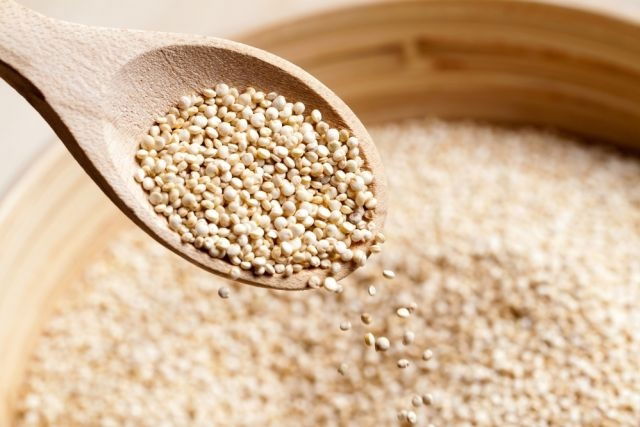
Amaranth seeds, also known as amaranth grains, can be cooked and eaten as a rice substitute or popped like popcorn.
Nutrition facts
The following table provides nutritional information based on a 100 gram serving of raw and cooked amaranth grains:
To get the most benefits from amaranth, it should be included as one part of a healthy, well-balanced diet combined with regular physical exercise.
How to eat
Amaranth can be added to smoothies, salads, fruit salads, yogurt, or cereals.
It can also replace wheat flour in recipes for cakes and cookies, or replace rice, pasta, and quinoa in meals.
To cook amaranth, place 1 cup of grains and 3 cups of water in a pot. Once it starts to boil, reduce to low heat and cook for about 25 minutes or until all the water is absorbed.
Amaranth can be stored in the refrigerator for up to 6 months in an airtight container to prevent moisture.
Healthy recipes
Some recipes you can prepare using amaranth include:
1. Amaranth and quinoa pie
Ingredients:
-
½ cup quinoa grains;
-
1 cup amaranth flakes;
-
1 egg;
-
4 Tbsp olive oil;
-
1 onion, grated;
-
1 tomato, chopped;
-
1 carrot, cooked and mashed;
-
1 cup cooked and chopped broccoli;
-
¼ cup skim milk;
-
1 can drained tuna;
-
1 Tbsp baking powder;
-
Salt to taste.
Directions:
In a bowl, mix all the ingredients together. Spread the mixture in a baking dish and bake in a preheated oven for about 30 minutes or until golden brown.
2. Amaranth gelatin
Ingredients:
-
50 g amaranth flakes;
-
1 packet of gelatin;
-
500 mL water.
Directions:
Boil 250 mL of water in a pot, add the gelatin powder, and stir until fully dissolved. Then add the remaining 250 ml of cold water and the amaranth flakes, stirring well. Pour into bowls or cups and refrigerate for at least 2 hours.
3. Amaranth pancakes
Ingredients:
-
½ cup amaranth flour;
-
½ cup whole wheat flour;
-
½ cup cornstarch;
-
1 tsp baking soda;
-
2 cups milk;
-
2 large eggs;
-
½ cup vegetable oil;
-
2 cups blueberries or strawberries.
Directions:
In a bowl, whisk together the milk, eggs, and oil until smooth and let the mixture rest for 5 minutes. Then add the dry ingredients and fruit.
If the batter is too thick, add 1 tsp of water to thin it slightly. Cook the pancakes in a skillet and serve with the remaining blueberries or strawberries as a topping.