


Acerola is a fruit that is naturally high in vitamin C, a nutrient with antioxidant and anti-inflammatory properties. These properties help fight free radicals and may help lower the risk of conditions such as premature aging, cancer, and high blood pressure.
Acerola also provides fiber, which can slow digestion and help control feelings of hunger throughout the day. Because it is relatively low in calories, it can be a practical choice for weight loss diets.
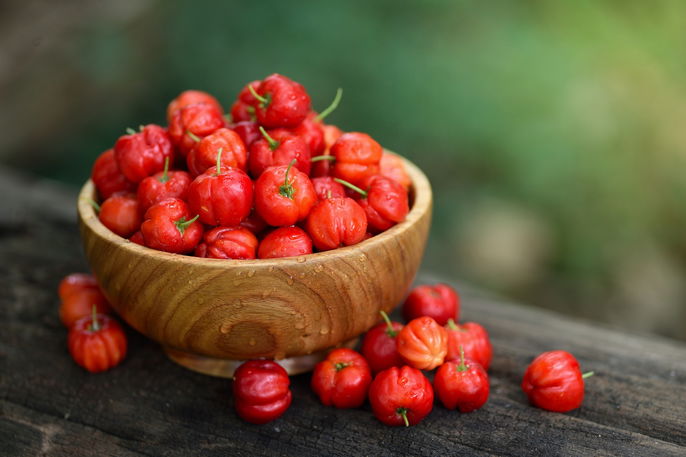
Acerola has a thin red skin, orange pulp, and a slightly tart flavor. It can be eaten fresh or used in recipes for juices, cakes, jams, and mousse, and its leaves can also be used to make tea.
Main benefits
The main health benefits of acerola include:
1. Preventing premature aging
Acerola may help prevent premature aging because it is rich in vitamin C, which helps protect the skin from damage caused by the sun’s ultraviolet (UV) rays. This protection may help reduce the appearance of wrinkles and fine lines.
Vitamin C also supports collagen production. Collagen helps maintain skin firmness and elasticity, which can help reduce sagging.
2. Supporting weight loss
Because it contains fiber, acerola can help slow digestion and increase fullness. This may reduce hunger and overall food intake throughout the day, helping supporting weight loss.
Acerola is also relatively low in carbohydrates and calories. For this reason, it can be a good fruit to include in weight loss diets.
Also recommended: 15 Best Fruits For Weight Loss: Low-Calorie Options for Diets tuasaude.com/en/best-fruit-for-weight-loss3. Strengthening the immune system
Acerola contains high amounts of vitamin C, which has antioxidant and anti-inflammatory properties. These properties support immune function and may help prevent and fight infections such as flu, rhinitis, sinusitis, and the common cold.
4. Preventing high blood pressure
Acerola is a natural source of vitamin C, an antioxidant that may boost nitric oxide levels in the body. Nitric oxide promotes the relaxation of blood vessels, supporting healthy blood flow and helping to reduce the risk of high blood pressure.
5. Improving mood
Because it is rich in vitamin C, acerola may help boost mood. Vitamin C plays a role in dopamine production, a neurotransmitter linked with feelings of pleasure.
6. Helping treat anemia
Acerola may help prevent or reduce anemia because its high vitamin C content enhances the absorption of iron from food. Improved iron absorption supports the production of hemoglobin, the part of red blood cells that carries oxygen throughout the body.
7. Preventing cancer
Acerola contains flavonoids and carotenoids, which are compounds with antioxidant properties. These compounds help reduce excess free radicals in the body, which may help prevent the development of cancer.
8. Preventing constipation
The fiber in acerola helps add bulk to stool and promotes regular bowel movements, which can help prevent constipation.
9. Maintaining eye health
Acerola contains carotenoids, which are involved in the formation of vitamin A. Vitamin A supports eye health and may help prevent xerophthalmia, a condition that can cause dryness, difficulty seeing in low-light settings, and blindness.
10. Lowering LDL cholesterol
Due to its antioxidant properties, acerola may help protect fat cells from oxidation caused by free radicals. This may help lower levels of LDL (“bad”) cholesterol in the blood and reduce the risk of conditions such as atherosclerosis, stroke, and heart attack.
Nutrition facts
The table below shows the nutritional information for 100 g of acerola, which is roughly equal to 9 units.
It is important to remember that to obtain the benefits of acerola, it is essential to maintain a healthy and varied diet. Regular physical activity is also important.
How to consume
While there is no specific recommended intake for acerola, the general guideline for fruit consumption is 2 to 3 servings per day, which equals approximately 160 to 240 grams.
Acerola can be eaten fresh or used in recipes for juices, cakes, jams, and mousse. Acerola leaves can also be used to make tea.
Healthy recipes
Some healthy recipes using acerola include juice, tea, and jam:
1. Acerola juice
Ingredients:
-
2 cups of fresh acerola;
-
1 L of boiled or filtered water;
-
Honey to taste.
Directions:
Wash the acerolas well and place them in a blender with the water. Blend until smooth, sweeten with honey, and serve right away, preferably without straining.
2. Acerola tea
Ingredients:
-
10 acerola leaves;
-
1 L of water.
Directions:
Wash the acerola leaves well and cut them in half. Bring the water to a boil in a pot or kettle, then turn off the heat. Add the leaves, cover, and let steep for 5 to 10 minutes. Strain and serve immediately.
3. Acerola jam
Ingredients:
-
1 kg of fresh acerola;
-
2 cups of granulated sweetener suitable for baking;
-
1 packet of unflavored gelatin;
-
250 mL of water.
Directions:
Wash the acerolas well. Blend the acerolas with the water, then strain the juice and transfer it to a pot. Add the sweetener and stir until dissolved. Cook over low heat, stirring constantly, until the mixture becomes a thick syrup.
Turn off the heat, dissolve the gelatin in 3 tablespoons of filtered or boiled water, and add it to the pot, stirring gently. Let the jam cool, then transfer it to a lidded container and store it in the refrigerator.