


- Açai is rich in antioxidants, fiber, and healthy fats that support immunity, skin health, and overall wellness.
- Regular açai intake may help improve digestion, circulation, and cholesterol levels while providing steady energy.
- Açai can be enjoyed fresh, frozen, or in bowls at home, and pasteurized versions are safest during pregnancy.
Açai is a purple berry native to the Amazon region and is often considered a superfood thanks to its high calorie content, antioxidants, and anti-inflammatory nutrients. It’s commonly eaten in both traditional and modern recipes, ranging from savory dishes in northern Brazil to smoothie bowls across the world.
Because açai is rich in polyphenols, especially anthocyanins, regular consumption, along with a healthy diet, may help protect the body from cell damage and support overall health. These nutrients have been linked to benefits like delaying premature aging, boosting immunity, and helping lower “bad” cholesterol levels.
Açai is sold fresh, frozen as a pulp, or as a powdered nutritional supplement. It can be eaten plain or paired with foods like manioc flour, tapioca, fish, or shrimp. It’s also widely used to prepare drinks, jams, desserts, and ice cream.
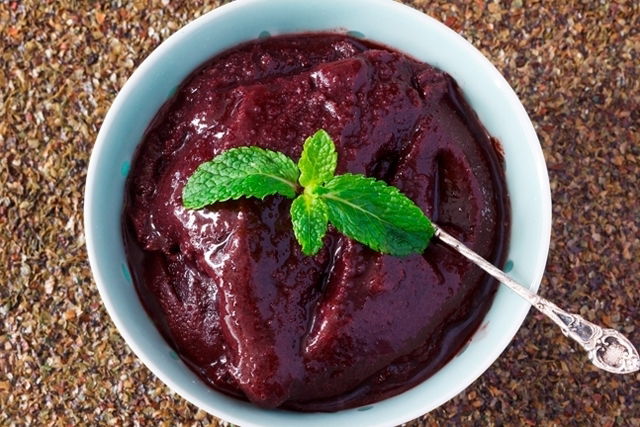
Benefits of açai
The main benefits of açai include:
1. Prevents premature aging
Pure açai contains antioxidants and vitamin E, which help protect the body’s cells from free-radical damage. This may slow premature aging and support healthy skin by reducing the formation of wrinkles.
2. Strengthens the immune system
Açai is naturally rich in vitamin C, vitamin E, omega-9 fatty acids, and anthocyanins. These nutrients help support immune cell activity and promote healthy wound healing.
3. Lowers “bad” cholesterol
Thanks to its antioxidant and anti-inflammatory properties, along with its monounsaturated fats such as omega-9, açai may help reduce LDL cholesterol levels and support cardiovascular health.
4. Improves intestinal function
Açai is high in fiber, which increases stool volume and stimulates natural bowel movements. This makes it helpful for people who struggle with constipation.
5. Helps reduce cancer risk
Açai contains polyphenols that help protect cells from oxidative stress. These compounds may help inhibit tumor cell growth and reduce the risk of certain cancers, including leukemia, colon cancer, and stomach cancer.
6. Provides energy and improves stamina
Because it contains healthy fats, carbohydrates, and protein, açai is often used as a pre-workout food. It helps boost energy, reduce fatigue, and support muscle performance.
7. May help support fatty liver treatment
Animal studies suggest that anthocyanins in açai may help reduce fat accumulation in the liver and protect liver cells from oxidative damage. However, more human research is needed to confirm these effects.
8. Helps manage anemia
Açai contains iron, a key mineral needed to produce hemoglobin. Because of this, it may help prevent or improve anemia when consumed as part of a balanced diet.
9. Protects against pulmonary emphysema
The anti-inflammatory and antioxidant effects of açai may help protect lung tissue from damage caused by long-term cigarette smoke exposure.
10. Helps prevent neurodegenerative diseases
The antioxidant properties of açai may help reduce inflammation in the brain, which could support the prevention of conditions such as Parkinson’s disease and Alzheimer’s disease. Some studies also suggest açai may help improve memory and learning.
11. Improves circulation
Açai may help support healthy blood flow by increasing the production of nitric oxide, a compound that promotes relaxation of blood vessels and improves oxygen and nutrient delivery throughout the body.
How to consume açai
In northern and northeastern Brazil, açai pulp is typically eaten plain or mixed with manioc flour, tapioca, fish, shrimp, or meat.
In other regions, it’s often blended and served with honey, guaraná syrup, oats, almonds, or fruit.
Açai is also available as a powdered supplement sold in natural food stores. The powder can be added to smoothies, porridges, or mixed into ice cream or plain yogurt.
How to make an açai bowl
An açai bowl is a simple, refreshing way to enjoy açai and can be prepared at home with just a few ingredients. It’s typically made by blending frozen açai with fruits to create a thick, creamy base, then adding toppings for texture and flavor.
Ingredients
-
1 packet of frozen açai pulp (preferably unsweetened and pasteurized)
-
1 small banana, frozen
-
1/2 cup frozen berries or mango
-
1/4 cup water, milk, or plant-based milk
-
Optional sweetener: a small amount of honey or maple syrup
Preparation
Break the frozen açai pulp into pieces and place it in a blender. Add the frozen banana, fruit, and the liquid of your choice. Blend on low until the mixture becomes thick and smooth, adding a small splash of liquid if needed.
Pour the mixture into a bowl and add toppings such as granola, sliced fruit, nuts, seeds, or a drizzle of honey.
This base can be adapted by switching the fruits, reducing or increasing the liquid for desired consistency, or adding ingredients like oats, peanut butter, or yogurt for extra creaminess.
Frequently asked questions
Some questions that people often have about açai include:
1. Does açai cause weight gain?
Plain açai without added sugar does not cause weight gain and can be part of a balanced diet.
However, when eaten in large portions or combined with high-calorie toppings like whipped cream, powdered milk, guaraná syrup, or sweetened condensed milk, total calorie intake increases, which can contribute to weight gain.
2. Can pregnant women consume açai?
Yes. Pregnant women can consume açai, as long as it is pasteurized. Pasteurization helps prevent contamination by Trypanosoma cruzi, the parasite carried by the kissing bug.
However, açai supplements should be avoided during pregnancy because there is not enough research confirming their safety for this stage of life.
3. Is açai harmful?
Overall, açai is considered safe for most people.
The main risk comes from consuming açai contaminated with the kissing bug or its waste, which can transmit Chagas disease. Fresh açai berries should be washed and heat-treated by boiling them and then cooling them. Frozen açai pulp is safest when pasteurized.