


- Zika symptoms can look similar to dengue or chikungunya, so medical evaluation may be needed to confirm the cause.
- Aspirin and NSAIDs such as ibuprofen should be avoided until dengue has been ruled out because of the risk of bleeding.
- Contact a healthcare provider if Zika is suspected, especially when symptoms include fever, rash, joint pain, or red eyes.
Zika virus symptoms may include a low-grade fever, muscle and joint pain, red eyes, and a red skin rash. Symptoms can appear several days after infection and are usually mild.
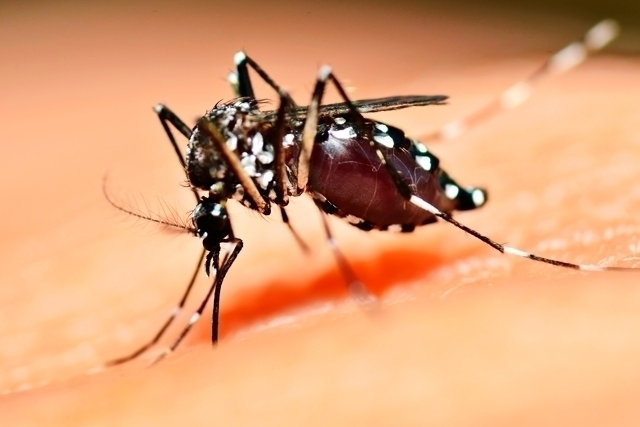
Zika virus is mainly spread through the bite of an infected Aedes mosquito. It can also be transmitted through sex without a condom.
Zika symptoms can resemble dengue, but Zika virus disease is generally milder. Symptoms usually improve within several days to about a week.
Main symptoms
The main Zika virus symptoms are:
1. Low-grade fever
A low-grade fever, which may range from 100°F to 101.3°F (37.8°C to 38.5°C), can occur as the immune system responds to the infection.
Fever is part of the body’s natural response to fighting an infection.
How to relieve symptoms: in addition to any medication recommended by a healthcare provider, it may help to wear lightweight clothing, take a lukewarm bath or shower, and place cool compresses on the back of the neck or under the arms.
2. Red rash on the skin
A red rash can develop across the body and may appear slightly raised.
The rash may begin on the face and then spread to other parts of the body. In some cases, it can be confused with rashes caused by measles or dengue.
Because Zika and dengue can cause similar symptoms, a healthcare provider may recommend testing to help tell them apart. Zika is not typically associated with the bleeding complications that can occur with severe dengue.
How to relieve symptoms: an antihistamine may help relieve itching associated with the rash if recommended by a healthcare provider.
3. Itchy skin
In addition to a rash, Zika can cause itching.
The itching generally improves within several days and may be treated with an antihistamine recommended by a healthcare provider.
How to relieve symptoms: taking a cool bath may help relieve itching. A colloidal oatmeal bath or a skin protectant containing colloidal oatmeal may also help soothe minor skin irritation and itching.
4. Joint and muscle pain
Zika can cause muscle pain throughout the body as well as joint pain, particularly in the small joints of the hands and feet.
The affected joints may also become slightly swollen or red. Pain may be more noticeable with movement and improve with rest.
How to relieve symptoms: acetaminophen can help relieve pain. Cool compresses may also help reduce swelling and discomfort, and getting plenty of rest is recommended.
According to the Centers for Disease Control and Prevention (CDC), aspirin and other nonsteroidal anti-inflammatory drugs (NSAIDs), such as ibuprofen, should be avoided until dengue has been ruled out to reduce the risk of bleeding
5. Headache
A headache caused by Zika may include pain behind the eyes or a throbbing sensation. Some people may have only a mild headache or no headache at all.
How to relieve symptoms: placing a cool compress on the forehead, resting, and drinking enough fluids may help relieve discomfort.
6. Physical and mental fatigue
As the immune system responds to the virus, the body uses more energy, which can lead to fatigue and make it harder to perform normal activities or concentrate.
Getting enough rest can help support recovery while the infection runs its course.
How to relieve symptoms: get as much rest as possible and drink plenty of fluids to help prevent dehydration. An oral rehydration or electrolyte solution may also be used when needed. Consider staying home from school or work until you feel well enough to return.
7. Red and sensitive eyes
Redness and sensitivity in the eyes can occur with Zika and may resemble conjunctivitis.
Unlike some bacterial eye infections, Zika-related eye redness typically does not cause thick yellow discharge, although increased tearing may occur.
The eyes may also become more sensitive to bright light.
How to relieve symptoms: wearing sunglasses may help reduce sensitivity to light. Lubricating eye drops, also known as artificial tears, may help relieve irritation and redness.
When to see a doctor
If you think you may have Zika, contact a healthcare provider so your symptoms can be evaluated.
According to the CDC, people with suspected Zika virus infection should also be evaluated for possible dengue or chikungunya because these infections can cause similar symptoms.
