


A yeast infection on the breast (breast candidiasis) is an infection caused by the fungus Candida albicans. It can cause nipple redness and pain, a sore that’s slow to heal, itching, and sometimes skin cracks.
Candida albicans is a fungus that normally lives on the skin without causing problems, but it can overgrow under certain conditions such as during breastfeeding, hormonal changes, or when diabetes is not well controlled.
Treatment for a yeast infection on the breast should be guided by a breast specialist or dermatologist. They may recommend antifungal medicine as a cream/ointment or as tablets to help clear the fungus and relieve symptoms.
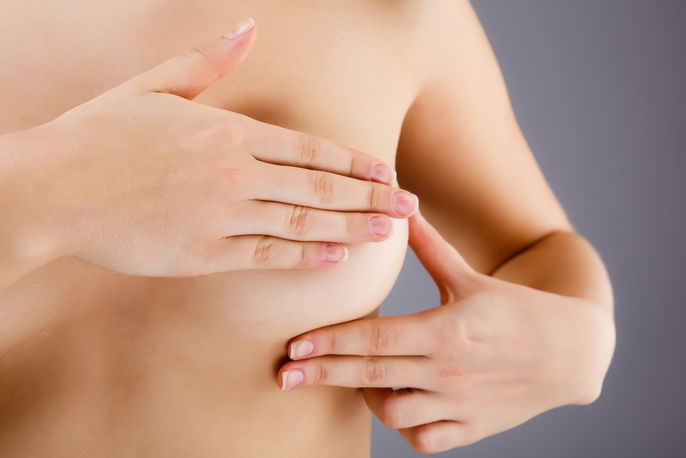
Common symptoms
The main symptoms of a yeast infection on the breast are:
-
A small nipple sore that is slow or difficult to heal;
-
A whitish appearance on part of the nipple;
-
A shiny look to the affected nipple;
-
Itching and redness on the breast, including underneath it;
-
Cracked skin in some cases.
Breast candidiasis is considered a type of systemic candidiasis, and not all symptoms are always present at the same time. However, sharp, stabbing pain and a small sore are present in all cases.
Also recommended: Yeast Infection Under Breast: Causes, Symptoms & Treatment tuasaude.com/en/yeast-infection-under-breastConfirming a diagnosis
A yeast infection of the breast can be diagnosed by a dermatologist or breast specialist based on an evaluation of the person’s signs and symptoms.
Specific tests are usually not necessary, but your healthcare provider may take a small skin scraping to confirm the type of fungus and check how it responds to treatment.
Risk factors
A yeast infection on the breast is more likely to occur during breastfeeding because of hormonal changes and frequent contact with the baby’s saliva.
People with a weakened immune system, thyroid changes, uncontrolled diabetes, or recent use of antibiotics or topical corticosteroid creams/ointments are also at higher risk of developing this type of yeast infection.
Treatment options
Treatment for a yeast infection on the breast should be guided by a breast specialist or dermatologist. The provider may recommend antifungal creams or ointments, such as nystatin, clotrimazole, miconazole, or ketoconazole, typically used for about two weeks. If the infection doesn’t respond to topical treatment, oral fluconazole tablets may be prescribed for around 15 days.
It’s also important to keep the breast clean and dry, since moisture can make it easier for the fungus to multiply. According to the CDC, keeping affected areas clean and dry can help reduce the risk of Candida overgrowth. If you are breastfeeding, it’s important to watch for signs of oral thrush in the baby and treat the baby at the same time as the mother to help prevent reinfection.
Also recommended: Thrush in Babies: Symptoms, Diagnosis, Causes & Treatment tuasaude.com/en/thrush-in-babies