


Wormwood (Artemisia absinthium) is a medicinal plant that has been traditionally used for centuries in natural remedies. Known for its bitter taste, it contains compounds that may support digestion, liver health, and immune function.
The main wormwood benefits include improving appetite and digestion, helping regulate blood sugar, and providing antimicrobial properties against parasites, fungi, and bacteria. It also contains antioxidants that may protect the brain and support overall liver function.
In addition, wormwood can be prepared as tea, tincture, or liquid extract, offering different ways to use it for health support. Understanding its potential benefits, side effects, and safety precautions is essential for making informed choices about this medicinal plant.
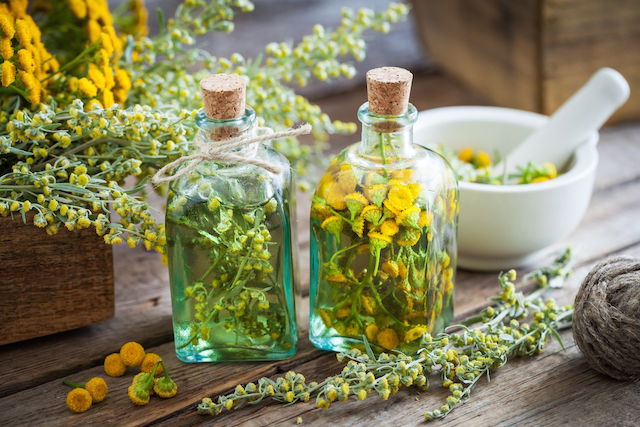
Health benefits
Wormwood offers several potential health benefits, including:
1. Supporting cognitive function and brain health
One of the key wormwood benefits is its ability to act on nicotinic and muscarinic receptors, which improves communication between brain cells and helps support cognitive function. It may also help reduce symptoms of depression by stimulating the release of serotonin, dopamine, and norepinephrine, neurotransmitters that promote well-being.
Controlled use may have neuroprotective effects against brain damage caused by ischemia and reperfusion, but excessive use may lead to seizures, delirium, and hallucinations.
2. Promoting wound healing
Another important wormwood benefit is its use in creams for wound care. Wormwood extract contains bioactive compounds like caryophyllene and camphor, which improve circulation and support faster skin regeneration.
It also has antibacterial and anti-inflammatory properties that may help reduce pain and lower the risk of infection.
3. Relieving muscle pain and joint stiffness
Among the recognized wormwood benefits is its anti-inflammatory action. Wormwood contains secondary metabolites such as flavonoids and sesquiterpenes, which may help reduce inflammation, pain, and stiffness linked to chronic conditions like osteoarthritis.
4. Supporting digestive health
Wormwood benefits digestion by stimulating the production of saliva, gastric juices, and bile, which helps improve appetite and digestive function. It may also reduce intestinal gas and ease stomach pain, menstrual cramps, and gastritis symptoms due to its bitter compounds and essential oils that support bile secretion.
5. Fighting parasites, fungi, and bacteria
One of the best-known wormwood benefits comes from its essential oil, which contains compounds like thujone, cineole, camphene, linalool, and borneol. These compounds have antiparasitic, antifungal, and antibacterial effects, making wormwood potentially useful in managing infections.
6. Helping regulate blood sugar
Wormwood benefits may also include helping regulate blood sugar levels. This effect is linked to flavonoids and other antioxidants, which can improve insulin sensitivity and support glucose metabolism.
7. Supporting liver function
Wormwood benefits the liver thanks to its antioxidant compounds, such as phenolic acids, flavonoids, and tannins. These may help protect liver function and reduce the risk of damage from conditions like hepatitis.
8. Strengthening the immune system
Another notable wormwood benefit is its potential to strengthen the immune system. Compounds like polysaccharides and artemisinin may boost immune activity and stimulate organs such as the spleen, supporting the body’s natural defenses.
How to use
Wormwood can be prepared in different ways depending on the form and intended use:
1. Wormwood tea
Wormwood tea may help with gallbladder problems, indigestion, loss of appetite, or intestinal issues.
Ingredients
-
1 teaspoon of dried wormwood leaves
-
1 cup of water
Directions
Boil the water, turn off the heat, and add the dried wormwood leaves. Cover and let steep for about 10 minutes. Strain, let cool, and drink up to 2 cups per day for no more than 4 weeks.
To stimulate appetite, drink 1 cup before meals. For digestive or gallbladder problems, drink 1 cup after meals. Wormwood tea can also be used for compresses on the skin in cases of gout, arthritis, rheumatism, or bruises. Soak a gauze pad in the tea and apply it to the affected area.
2. Wormwood tincture
Wormwood tincture can be made at home or purchased from natural health stores. It may help stimulate digestion and reduce cravings for sweets, especially chocolate.
Ingredients
-
10 g of dried or fresh wormwood leaves
-
100 mL of grain alcohol
Directions
Place the wormwood leaves and alcohol in a clean, dry dark glass container with a lid. Seal and shake daily for 15 days. After this time, strain and take 15 to 20 drops diluted in half a glass of water, 2 to 3 times per day.
3. Wormwood liquid extract
Wormwood liquid extract, available at compounding pharmacies and natural health stores, may help support the treatment of intestinal worms.
To use, dilute 2 mL (about 40 drops) in water and take on an empty stomach. This can be done every 15 days for several months or as recommended by a healthcare professional.
Possible side effects
Despite the many wormwood benefits, excessive use can cause side effects. Taking higher amounts than recommended or using it for longer than 4 weeks may lead to abdominal cramps, nausea, vomiting, kidney problems, bleeding, or high blood pressure.
Because wormwood contains thujone, thujol, and felandrene, large amounts can also cause muscle spasms, muscle breakdown, tremors, central nervous system problems, paralysis, or seizures, which can be life-threatening.
Applied to the skin, wormwood may cause burns or irritation.
Who should not use
Wormwood should not be used by children, people allergic to the plant, or those with porphyria, kidney disease, epilepsy, or liver problems.
It should not be used during pregnancy, as it may cause miscarriage, or during breastfeeding.
Wormwood should also be avoided by people taking anticoagulants such as warfarin, since it may increase the risk of bleeding, and by those on antiepileptic medications such as gabapentin or primidone.
Because tinctures and liquid extracts contain alcohol, they should not be used by people being treated for alcohol dependence with disulfiram.