


White willow is a medicinal plant used to help relieve headaches, fevers, and pain caused by inflammatory conditions, such as muscle strain, rheumatoid arthritis, or osteoarthritis. This plant is rich in salicin, a natural compound with anti-inflammatory and pain-relieving properties.
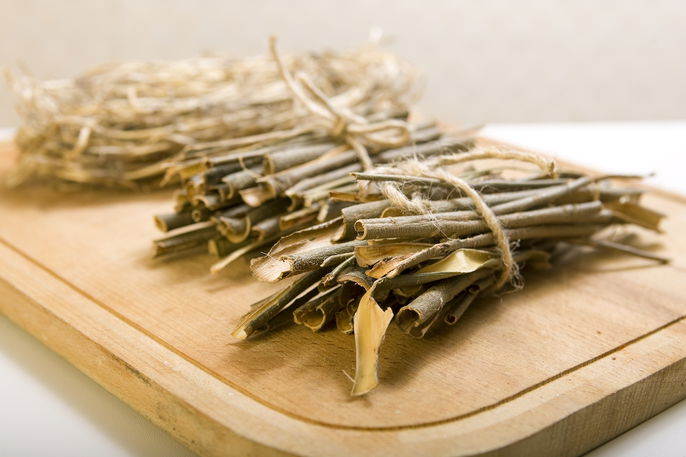
The most commonly used part of the white willow (Salix alba) is its bark, which is often used to make tea. However, it can also be found in capsule form made with dried bark extract.
White willow can be purchased at herbal stores, natural health shops, or compounding pharmacies. It should only be used under the guidance of a doctor or a healthcare professional experienced in medicinal plants.
Main benefits
White willow may be recommended for:
-
Fever
-
Headache
-
Rheumatism
-
Arthritis, osteoarthritis, and joint degeneration
-
Gout
-
Muscle pain
-
Back pain
-
Muscle strains or sprains
-
Cold and flu symptoms
Although it has potential health benefits, white willow is not a substitute for medical treatment and should only be used with the guidance of a doctor or herbalist.
White willow properties
White willow has diaphoretic, fever-reducing, pain-relieving, anti-inflammatory, antirheumatic, and anticoagulant properties.
Its antiviral effects are still being studied, but researchers believe white willow bark may be effective against certain viruses, including SARS-CoV-2 (which causes COVID-19) and enteroviruses.
How to use
White willow is commonly used as a tea or in capsules.
1. White willow tea
White willow tea is prepared using the bark, which contains its main active compound, salicin.
Ingredients
-
1 teaspoon of dried and chopped white willow bark
-
1 cup of water
Instructions
Boil the water and add the bark. Let it simmer for 10 minutes. Strain, allow to cool slightly, and drink up to 2 cups per day, preferably after meals.
2. White willow capsules
White willow capsules should be taken orally with a glass of water, after meals. The commonly recommended dose is 1 capsule of 400 mg, 1 to 2 times per day, or as directed by a doctor or herbalist.
Possible side effects
White willow is generally safe when used for up to 12 weeks and in recommended amounts. Daily intake should not exceed 1 to 3 grams of bark, whether in tea or capsule form.
However, it may cause side effects such as diarrhea, heartburn, stomach pain, nausea, vomiting, or bleeding.
Because salicin has anticoagulant properties similar to aspirin, white willow can increase the risk of bleeding. It should not be used by people with conditions that raise the risk of bleeding, such as gastric ulcers, esophageal varices, or hemophilia.
Who should not use it
White willow should not be used by children, pregnant or breastfeeding women, or anyone allergic to aspirin.
It is also not recommended in the following situations:
-
Bleeding disorders
-
Asthma triggered by aspirin or NSAIDs
-
Active stomach or intestinal ulcers
-
History of stomach or intestinal ulcers
-
Gastritis
-
Acid reflux (GERD)
-
Colitis, diverticulitis, or diverticulosis
-
Severe kidney, liver, or heart failure
In addition, white willow should not be used by people taking medications such as aspirin, methotrexate, anticonvulsants (like phenytoin or valproic acid), or oral anticoagulants like warfarin.
It is important to inform a doctor or herbalist about any medications being used, as white willow may interact with several drugs and lead to serious side effects.