


White tea is a beverage that may help with weight loss, support heart health, and reduce inflammation. It is also commonly used for its antioxidant effects.
The potential benefits of white tea come from its natural compounds, such as caffeine and specific polyphenols. In the body, these compounds are known to promote thermogenic activity and provide anti-inflammatory and antioxidant effects.
White tea comes from the same plant as green tea, Camellia sinensis. The difference is that white tea is made from younger leaves and buds. It is commonly sold as loose tea or tea bags in pharmacies and health food stores.
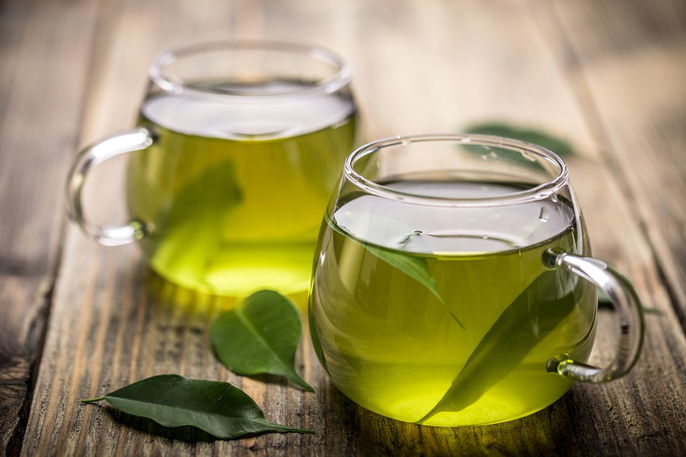
Main benefits
White tea may be indicated for:
1. Helping with weight loss
White tea may help with weight loss because it contains caffeine, a compound with a thermogenic effect that can stimulate metabolism and increase fat burning.
Also recommended: 13 Thermogenic Foods (That Burn Fat & Boost Your Metabolism) tuasaude.com/en/thermogenic-foodsBecause it may have a mild diuretic effect, white tea can also help reduce fluid retention, which may support weight loss.
For effective weight loss, white tea should be included as part of a healthy, balanced diet combined with regular physical activity. The Centers for Disease Control and Prevention (CDC) emphasizes that achieving and maintaining a healthy weight depends on both consistent exercise and healthy eating habits.
2. Preventing premature aging
The polyphenols in white tea have antioxidant properties that help protect healthy skin cells from damage caused by free radicals.
For this reason, white tea may help prevent premature aging, including the appearance of wrinkles and fine lines.
3. Lowering the risk of cardiovascular disease
White tea may reduce the risk of cardiovascular disease because it contains catechins, which are antioxidant and anti-inflammatory compounds that help support healthy arteries.
In addition, white tea may help support healthy cholesterol and triglyceride levels by helping protect fat cells from oxidation caused by free radicals.
4. Supporting mental health
White tea contains antioxidant and anti-inflammatory compounds, such as catechins and flavonoids, which may help protect mental health by reducing the risk of neurodegenerative diseases like Alzheimer’s and Parkinson’s.
5. Reducing cancer risk
White tea may help reduce the risk of cancer development because it contains polyphenols with antioxidant action, such as catechin, gallic acid, epicatechin, gallocatechin, epigallocatechin, and epicatechin 3-gallate.
6. Reducing inflammation
White tea may help reduce inflammation due to an immunomodulatory effect, which can lower levels of inflammatory compounds such as TNF-α and C-reactive protein, and increase anti-inflammatory compounds such as IL-10 and IL-6.
7. Helping control blood pressure
Because it has vasodilatory properties, white tea may help relax blood vessels, which can support blood pressure control.
This may happen because the catechins in this beverage can reduce inflammation and support arterial function and blood flow.
However, white tea cannot treat high blood pressure and should not replace medical treatment for hypertension.
How to make
To prepare white tea, use 1 teaspoon of dried leaves for each cup of water. Heat the water until small bubbles start to form, then remove it from the heat before it reaches a full boil.
Add the white tea, cover the pot, and let it steep for about 5 minutes. Strain and enjoy the tea while warm.
Alternatively, you can use 1 white tea bag per cup of water.
Up to 3 cups of white tea can be enjoyed per day, preferably between meals.
Healthy recipes
Some recipes using white tea include:
1. Pineapple white tea blend
Ingredients
-
200 mL white tea;
-
Juice of ½ lemon;
-
2 slices of pineapple;
-
3 mint leaves or 1 teaspoon grated ginger;
Directions:
Blend all ingredients in a blender, pour into a glass, and drink right away, preferably without straining or sweetening.
2. White tea gelatin
Ingredients
-
600 ml water;
-
400 ml white tea;
-
2 packets lemon-flavored gelatin.
Directions:
Mix the water and white tea, then dissolve the gelatin according to the manufacturer’s instructions. Refrigerate for 4 hours or until firm.
Side effects
Because it contains caffeine, excessive intake of white tea may cause nausea, headache, insomnia, irritability, heartburn, stomach irritation, vomiting, and changes in heart rhythm.
Excessive intake of white tea may also reduce iron absorption and, in some cases, cause liver toxicity.
Contraindications for use
People who are pregnant or breastfeeding should avoid drinking white tea. It should not be given to children, since the American Academy of Pediatrics notes that avoiding caffeine is the best choice for all kids.
In addition, people with sleep problems, anxiety, arrhythmia, thyroid disorders, kidney or liver problems, anemia, gastric ulcers, or gastritis should also avoid white tea.
People who regularly take medications, supplements, or herbal products should consult a healthcare professional before drinking white tea, as it may affect how certain medications or supplements work.