


When treating a stomach flu, it is important to maintain a low-fiber diet with easy-to-digest foods like cooked vegetables, peeled fruits, white rice and white bread. You should also opt for low-fat proteins like skinless chicken, fish, eggs and tofu.
When you have a stomach flu. you should also avoid foods that can cause intestinal irritation, like coffee, chocolate, spicy food or very seasoned foods.
A stomach flu is generally caused by a stomach or intestinal virus or food poisoning. It presents with symptoms like vomiting, diarrhea, bloating, abdominal camping and fever. It is important to increase you fluid intake when treating a stomach flu to reduce your risk for dehydration.
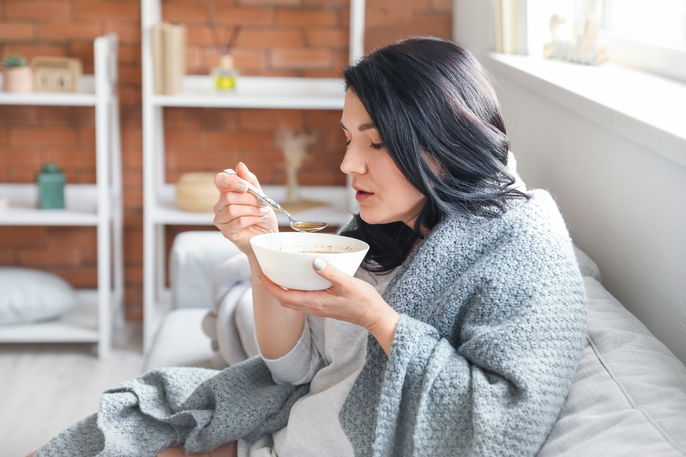
Foods to eat
A stomach flu diet should be made-up of foods such as:
What to eat in case of gastroenteritis
The recommended foods in case of gastroenteritis are:
- Peeled fruits, like apples, pears, green bananas or peaches, which can be eaten cooked, mashed, pureed, made into jelly or juiced. You can gradually introduce other fruits, like watermelon, pineapple, melon, grapes and lemon;
- Steamed and peeled vegetables, such as carrots, zucchini, pumpkin, chayote and green beans. After a few days, tomatoes without skin or seeds and cooked beets can be added to the diet;
- Non-whole grains, such as white rice, pasta, couscous, crackers and bread and preparations with wheat or corn flour;
- Tubers, such as potatoes, sweet potatoes, taro, yams or cassava, and should be eaten in small pieces in purees or soups;
- Gelatin, which can be eaten as a dessert, since it mainly contains water;
- Dairy products, such as low-fat yogurt and and low-fat cheeses, like cottage cheese and ricotta;
- Lean protein, such as skinless chicken, skinless white fish, eggs, tofu or skinless turkey;
- Vegetable oils, such as olive, sunflower and corn oil, which should be consumed in small quantities, with 1 teaspoon being added to season foods;
- Vegetable soups and mashed greens;
- Soothing teas, such as chamomile, lavender, lemon balm or rosemary.
To prevent dehydration from vomiting and diarrhea, it is important to increase your water intake by drinking water, caffeine-free teas and coconut water.
How to start
In the first few days of a stomach flu, it is normal not to feel very hungry. You should try to maintain your hydration as much as possible, and to slowly reintroduce foods as your symptoms improve.
When restarting solids, it is important to eat small quantities of easy-to-digest foods and slowly return to your normal diet.
3-day meal plan for stomach flu
The following table outlines a sample meal plan you can use to formulate your stomach flu diet:
This meal plan is just a guide, as amounts and food consumed can vary depending on your age, personal preferences, and health status. Therefore, you should consult a registered dietitian to determine a meal plan that is most suited for your health needs.
Foods to avoid
You should avoid eating foods that contain lactose, are high in fiber and are high in fat, as these can irritate the digestive tract.
Foods that you should avoid when treating a stomach flu include:
- Foods with caffeine, such as coffee, soda, chocolate and green, black tea and yerba mate tea
- High-fat foods, such as fried foods, ice cream, pizza, packaged snacks and fast food meals
- Foods that increase gas production, such as beans, lentils, broccoli and cabbage
- Leafy greens, such as lettuce, arugula, spinach, and chards
- High-fiber grains that are hard to digest, such as whole-wheat bread, whole-wheat pasta or whole-wheat biscuits
- Fruit juice and fruits with their peel
- Laxative fruits, such as papaya, plum, avocado and fig
- Seeds and nuts, such as chia seeds, flaxseeds, chestnuts, peanuts and walnuts
- Processed meats, such as sausage, ham, mortadella, salami and bacon.
- High-fat proteins, such as salmon, sardines, red meat and pork;
- Dairy products, such as cheese, milk, butter, condensed milk, cream and margarine.
It is also important to avoid spicy seasonings, such as pepper, curry and paprika, as these can also irritate the stomach and gut, and lead to vomiting or diarrhea.
After treatment and recovery from gastroenteritis, it is essential to gradually return to a complete and balanced diet, including foods such as legumes, fruits with skin, raw and leafy vegetables and low-fat dairy products, to prevent deficiencies in nutrients that are important for health.
How to stay hydrated
The stomach flu is associated with symptoms like diarrhea and vomiting, which can lead to dehydration, especially in babies and children. Therefore, staying hydrated is essential for recovery and preventing complications.
To replace salts and minerals that may be lost with diarrhea or vomiting, you can also consume electrolytes or saline solutions.
If you are actively vomiting, you should start with just a teaspoon of electrolytes every 10 minutes for small babies, or 1-2 teaspoons every 2 to 5 minutes for older children. This can be gradually increased to every 15 minutes if well tolerated.
Adults should aim to consume the same amounts of fluid as what is lost through diarrhea or vomiting.