


Knowing what to eat when you have diarrhea can help soothe the digestive system and speed up recovery. Eating the right foods also reduces the risk of dehydration and nutrient loss.
What to eat when you have diarrhea includes simple options like bananas, white rice, toast, and applesauce. These foods are easy to digest and help make stools more solid.
Avoiding fried foods, dairy, and raw vegetables is just as important to prevent symptoms from getting worse. Learning how to choose the right foods and stay hydrated can make a big difference in how quickly the body heals.
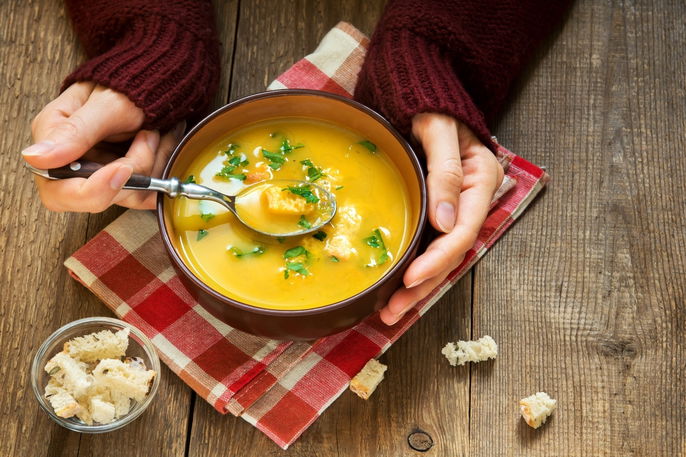
Foods to eat
The best foods to eat when you have diarrhea include:
1. Peeled apples
Peeled apples, raw or cooked, are a great option to include in your diet when you have diarrhea. These are low in insoluble fiber, a type of fiber that tends to speed up bowel movements through the intestines.
It is important to always consume fruits without their peel, seeds and pulp when possible as these are the parts of fruit with the highest amounts of insoluble fiber are found.
2. Potatoes
Potatoes are a tuber that are low in fiber and are easy to digest, which can help to prevent diarrhea flareups. It is important to eat potatoes without their peel and in low-fat preparations, such as mashed potatoes, roasts or stews.
3. Unripe bananas
Unripe bananas have a great amount of soluble fiber, a type of fiber that helps control involuntary bowel movements. This type of fiber also balances the health of the intestinal flora, helping to control diarrhea. Green bananas can be consumed raw or cooked.
4. Fish
Fish, especially those with white meat, such as sole, hake, cod or sea bass, are low in fat and can therefore help to prevent diarrhea
In addition, fish and other lean proteins such as chicken, eggs, tofu, white cheese and lean cuts of beef, are also essential for boosting immunity and preventing muscle losses.
5. Peeled guava
Peeled guava can be consumed during diarrhea, as it has low amounts of insoluble fiber. Learn more about the benefits of guava and how to consume it.
Other fruits that can also be consumed without the peel are cashews, passion fruit, peaches and lemons.
6. White rice
Because it is low in fiber, white rice is a recommended food to include in your diet when you have diarrhea.
In addition to white rice, other grains that are also low in fiber that you can consume are cornmeal, white bread, white pasta, toast and crackers.
7. Boiled carrots
Cooked, peeled carrots can be consumed when you have diarrhea, as they are lower in fiber than raw carrots with their peel. Carrots also have pectin, a type of fiber that helps prolong digestion time and reduce bowel movements.
Other vegetables that can also be consumed are zucchini, chayote, potatoes, yams, carrots, pumpkin, eggplant and green beans.
8. Coconut water
Coconut water is recommended to help treat diarrhea, because it helps replenish potassium and sodium levels. These are essential nutrients for maintaining bodily functions, and tend to be eliminated in large quantities during diarrhea flare-ups.
9. Peeled pears
Peeled pears, which can be consumed raw or cooked, can help to treat diarrhea because it is high in soluble fiber that reduces the speed of intestinal transit and regulates the volume of feces. Furthermore, pears are rich in water, helping to hydrate the body.
Eating after diarrhea
You should ideally start with consuming a liquid diet, made-up of homemade broths or soups, liquefied and strained juices made from apples, pear or peaches. You can also eat gelatin, and drink rice water or chamomile, bay leaf or guava teas.
Also recommended: Tea for Diarrhea: 10 Recipes with Medicinal Plants tuasaude.com/en/tea-for-diarrheaOnce the liquid diet is tolerated, you can progress your diet to easily digestible foods such as white rice, rice noodles, pasta, polenta, peeled potatoes, mashed potatoes, cooked carrots, chayote or zucchini. Veggies should be fresh and cooked and still warm to promote digestion. These carbohydrates can be served with eggs, skinless chicken or shredded fish.
It is also possible to consume white bread, rice or corn biscuits, cream crackers, unripe bananas, apples, pears, peaches and peeled guava, as well as low-fat white cheeses, such as ricotta or cream cheese.
Then, depending on tolerance, you can progress your diet to include your usual foods.
What to avoid
You should avoid certain foods that can worsen diarrhea, like:
- Fatty foods, like milk and other dairy products, fried food, butter and heavy cream
- Fruit peels, from pears, apples, plums and peaches
- Nuts, like walnuts, chestnuts, peanuts and hazelnuts
- Whole grains, like whole wheat rice, whole wheat pasta, whole wheat bread and oatmeal
- Leafy vegetables, like lettuce, arugula, kale, spinach, chards and watercress
- Foods that increase gas, like beans, radish, chickpeas, broccoli, cauliflower, cabbage, lentils, cucumber, sweet potato and Brussel sprouts
- Fatty meats, like bacon, lamb, pork, and rump steak
- Processed foods, like soda, premade sauces (like ketchup and mayonnaise), icecream, and instant pasta
- Spices, like pepper, curry, garlic and onion
- Cured meat, like sausage, prosciutto, salami and mortadella
- Sweets, like sugar, hello, chocolate, cookies, dried fruit and canned fruit
You should avoid fruit smoothies as well, as these contain high levels of fructose, which can stimulate intestinal contractions and worsen diarrhea. Drinks with caffeine should also be avoided during bouts of diarrhea, as they can irritate the stomach and increase loose stools.
Read more about which foods cause gas and bloating so that you can avoid them.
3-day meal plan for diarrhea
The following table outlines a sample meal plan that you can follow when you have diarrhea:
This menu is just an example. It is important to seek a medical consult to identify the possible causes of diarrhea and to start treatment as necessary. Check out the common causes of diarrhea and how to treat it.
Home remedies for diarrhea
You can incorporate some home remedies into your medical treatment plan to reduce symptoms of diarrhea. Some options include:
- Chamomile tea
- Coconut water
- Carrot soup
- Apple juice
- Rice water
Homemade saline solution can also help to replace lost nutrients, prevent dehydration and control diarrhea. Check-out other home remedies for diarrhea that can help to speed-up recovery.
When to take medication
Diarrhea medications should only be used if advised by a doctor. They are often contraindicated for use during intestinal infections, as the diarrhea can actually help to eliminate microorganisms. Therefore, if you have symptoms of an intestinal infection, like a fever or bloody stool, you should see a doctor for assessment so that a cause can be confirmed and treatment can be initiated. Treatment may involve the use of a prescription antibiotics.
When the diarrhea is not related to an intestinal infection, the doctor may prescribe anti-diarrhea medication, like loperamide and bismuth subsalicylate. These help to decrease intestinal contractions to reduce loose stools.
In addition, the doctor may also recommend probiotic supplementation, like Lactobacillus reuteri and Lactobacillus casei, or probiotic supplements to help fight harmful bacteria in the gut and to restore the balance of good bacteria.
When to see the doctor
It is important to monitor your symptoms and to seek medical attention if you experience one or more of the following:
- If the diarrhea lasts for over a week
- If you have signs of dehydration, like dry mouth, dry skin, decreased urine, weakness and general malaise
- Intense and persistent abdominal pain
- Dark or bloody stool
Diarrhea can be more severe in children and older adults, and these populations require more monitoring. They should be assessed by a doctor if diarrhea lasts for over 3 days.