


People with low blood pressure should follow a normal, healthy, and balanced diet, as this helps keep blood pressure levels steady. Eating regularly and choosing nutrient-dense foods can support overall energy levels and prevent sudden drops in pressure.
For people who deal with low blood pressure more frequently, a diet that includes moderate amounts of sodium may help. This should always follow guidance from a registered dietitian, since the effect of salt on blood pressure tends to work gradually over time.
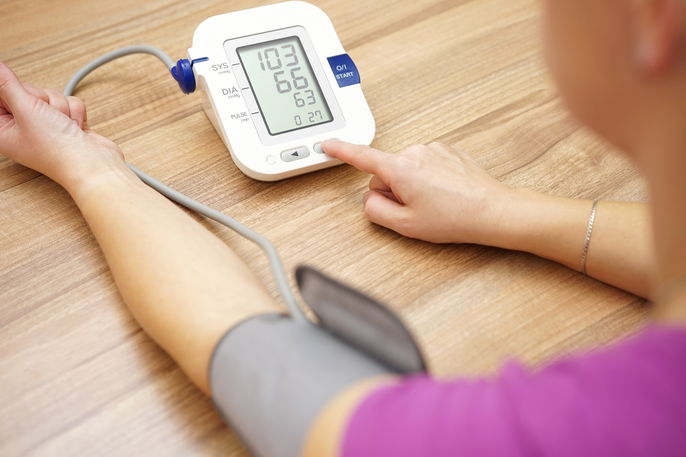
Low blood pressure is defined as readings below 90x60 mmHg and can cause symptoms like fatigue, frequent dizziness, and sleepiness. These symptoms may vary from person to person, but eating well and staying hydrated often helps improve daily well-being.
What to eat
To help reduce and prevent symptoms of low blood pressure, the following foods and drinks can be helpful:
-
Eating a small square of dark chocolate after lunch, because it contains theobromine, a compound that can help support heart rate and ease low blood pressure
-
Keeping simple snacks on hand, such as water crackers, skim milk powder, or a hard-boiled egg, which can be eaten between meals
-
Drinking green tea, yerba mate tea, or black tea throughout the day, since they contain theine, a natural stimulant that helps maintain stable blood pressure
-
Drinking a glass of water if blood pressure suddenly drops
It is also important to have breakfast every day. Including natural orange juice and a cup of coffee can help raise blood pressure and ease symptoms like dizziness. Although individual responses vary, these habits often contribute to a noticeable improvement in overall comfort.
List of foods for low blood pressure
Foods that naturally contain salt can help raise low blood pressure. Examples include:
The recommended daily intake of sodium is about 1500 mg. This amount is usually reached through common foods, meaning additional salt during cooking is rarely necessary.
What to do when blood pressure drops
When blood pressure drops suddenly, whether indoors or outdoors, especially on very hot days, the safest first step is to have the person lie on their back with their legs raised. Once symptoms start to improve, offer a small amount of natural orange juice, a caffeinated soft drink, or coffee. If the person still feels faint, avoid offering food or drinks to reduce the risk of choking.
Most people start to feel better within 5 to 10 minutes. It is still important to check blood pressure about 30 minutes later to confirm that it has returned to acceptable levels. A reading of at least 90 mmHg x 60 mmHg, although lower than standard, usually does not cause symptoms.
When to see a doctor
Low blood pressure usually does not cause major symptoms or health problems, and medical treatment is often unnecessary. However, it is important to go to the emergency room if low blood pressure occurs suddenly or if any of the following symptoms appear:
-
Fainting that does not improve within 5 minutes
-
Severe chest pain
-
Fever above 100.4 °F (38 °C)
-
Irregular heartbeat
-
Difficulty breathing
In these situations, the change in blood pressure may be linked to serious conditions such as a heart attack or stroke. Because of this, seeking immediate medical care or calling 911 is essential.