


- Vaginismus is an involuntary tightening of the pelvic muscles that can make penetration painful or not possible, often alongside fear or anxiety around sex.
- Diagnosis is usually confirmed by a gynecologist using symptoms, medical history, and a pelvic exam to rule out other causes like infections or vaginal atrophy.
- Seek medical care if pain is severe, symptoms persist, or penetration and gynecologic exams are consistently not possible, especially if there are signs of infection (unusual discharge, fever, burning).
Vaginismus is an involuntary tightening of the pelvic muscles that can make vaginal penetration difficult or impossible during sexual intercourse. It may also cause pain with attempted penetration, along with fear or anxiety about sex.
Vaginismus is one possible cause of dyspareunia, which is pain during sexual intercourse. It may be linked to physical and/or psychological factors, such as a history of sexual abuse or pain related to other gynecologic conditions.
If you think you may have vaginismus, it’s recommended to see a gynecologist for evaluation. Treatment may include talk therapy, vaginal dilators, Kegel exercises, and in some cases, specific medications.
Common symptoms
The main symptoms of vaginismus are:
-
Fear or anxiety during sex;
-
Pain at the moment of vaginal penetration;
-
Difficulty inserting tampons, a menstrual cup, or a vaginal ring;
-
Excessive discomfort during pelvic exams;
-
Difficulty or inability to achieve vaginal (or sexual) penetration during intercourse;
-
Tightening and/or pulling away of the pelvis at the moment of penetration.
Symptoms of vaginismus vary among women and, because penetration can be painful or uncomfortable, the condition may lead to reduced sexual interest, avoidance of sexual activity, low self-esteem, and anxiety.
Confirming a diagnosis
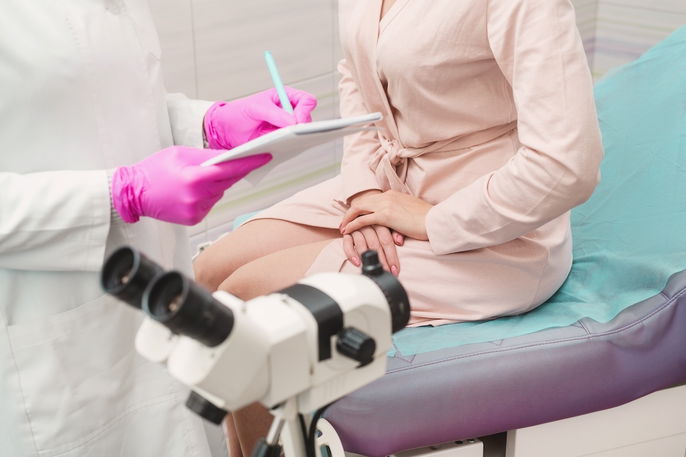
A gynecologist can diagnose vaginismus based on symptoms and a pelvic exam, which helps assess sensitivity in the vulvar area and rule out other health conditions that may be causing pain or discomfort, such as vaginal atrophy or infections.
Based on guidance from the American College of Obstetricians and Gynecologists (ACOG), pelvic examinations are performed when indicated by symptoms or medical history, supporting their role in evaluating pain and discomfort and ruling out other causes.
In addition, the doctor will usually consider your health history, your concerns or beliefs about sex, and whether there have been traumatic experiences to help confirm the diagnosis of vaginismus.
Types of vaginismus
Vaginismus can be classified into two main types based on its cause:
-
Primary vaginismus: when the woman has never experienced penetration, whether during a gynecologic exam, with internal period products, or during sex;
-
Secondary vaginismus: when it develops after a triggering experience such as sexual abuse, childbirth, surgery, or menopause, for example.
It’s important for a woman to be examined by a gynecologist, who can identify the type of vaginismus and recommend the most appropriate treatment.
Possible causes
Vaginismus is thought to involve involuntary contractions of the pelvic muscles related to a state of hypervigilance. Although the exact cause isn’t fully understood, it seems to be connected to negative experiences associated with penetration.
Vaginismus also appears to be more common in people with a history of painful or traumatic events, such as very uncomfortable gynecologic exams, pain during sex (dyspareunia), or sexual abuse. It may also be linked to intense fear, beliefs, or excessive worries related to sex.
Treatment options
Treatment for vaginismus should be guided by a gynecologist and varies depending on what factors are believed to be contributing to the pain. It may include:
1. Cognitive behavioral therapy
Cognitive behavioral therapy (CBT) can help a person with vaginismus build strategies to gradually cope with pain related to penetration. It can also help address beliefs that may be contributing to fear or anxiety around sex.
CBT can be especially helpful when vaginismus is linked to trauma or stress. It may improve quality of life, particularly when combined with other treatment options.
2. Vaginal dilators
Vaginal dilators are tube-shaped devices that a gynecologist may recommend to help gently stretch the vaginal muscles. Over time, this can improve flexibility and reduce discomfort during sex.
To make insertion more comfortable, a gynecologist may recommend a topical anesthetic, such as lidocaine ointment or gel, before using a dilator.
3. Kegel exercises
Kegel exercises may be recommended for vaginismus because they help you learn to control and relax the pelvic floor muscles. This can reduce involuntary tightening of the vaginal muscles and make penetration possible.
At first, the woman may be guided to become familiar with her anatomy and learn how to do Kegel exercises correctly. She may also receive guidance on how to use a vaginal dilator.
4. Physical therapy
Physical therapy may be recommended under the guidance of a physical therapist. It typically involves exercises and techniques designed to relax the pelvic floor muscles and help relieve vaginismus symptoms.
5. Use of medications
Although they are less commonly recommended, medications may be used in some cases of vaginismus, such as oral antidepressants and topical anesthetics. These should only be used with medical guidance.
In some cases, botulinum toxin type A (Botox) injections in the pelvic area have also been used as a treatment for vaginismus.