


Uterine fibroid treatments can include medications such as nonsteroidal anti-inflammatory drugs (NSAIDs) and hormonal contraceptives. In more severe cases, surgery may be recommended to relieve symptoms such as heavy bleeding and severe pain. Procedures can range from removing the fibroid to removing the entire uterus.
A uterine fibroid is a benign tumor that develops in the muscle of the uterine wall and does not always require specific treatment. Even when treatment is recommended, medications generally do not cure fibroids and are mainly used to relieve symptoms.
It is important to see an OBGYN so the fibroid can be evaluated. If treatment is needed, the clinician can recommend the most appropriate option.
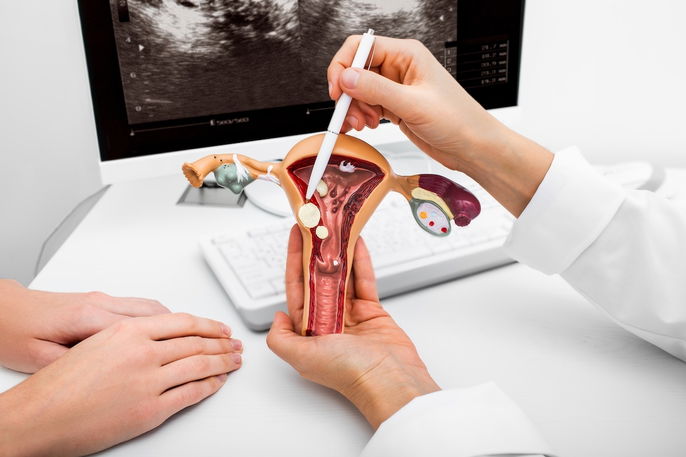
Common medications
Some medications that may be recommended to treat uterine fibroids include:
1. Gonadotropin-releasing hormone agonists
Gonadotropin-releasing hormone (GnRH) agonist medications, such as leuprolide acetate, goserelin acetate, or triptorelin, can block hormone production, temporarily putting the body into a menopause-like state, which can reduce fibroid size.
Because these medications stop menstrual periods, they may also help improve anemia caused by excessive bleeding.
They are often given before surgery to shrink a fibroid, which can make the operation easier and reduce the risk of complications.
Long-term use can cause side effects such as mood changes, low libido, and osteoporosis, so prolonged use is usually not recommended. When the medication is stopped, the fibroid typically grows again.
2. Progestins
Progestin medications, such as medroxyprogesterone or levonorgestrel, may help reduce bleeding caused by fibroids and may be recommended in some cases.
Some intrauterine devices (IUDs) release levonorgestrel, a hormone that acts directly on the uterus. One example is the Mirena IUD.
Because less of the drug enters the bloodstream, this method can help reduce bleeding while minimizing side effects such as nausea and headaches.
3. Tranexamic acid
Tranexamic acid is a non-hormonal medication that supports blood clotting and is generally recommended when a uterine fibroid causes heavy bleeding. It is typically used for up to 5 days during bleeding.
4. Combined hormonal contraceptives
Contraceptives that contain estrogen and progesterone may be recommended by a clinician and, although they do not treat fibroids or reduce their size, they may help control bleeding during the menstrual period.
5. Nonsteroidal anti-inflammatory drugs
NSAIDs, such as ibuprofen or naproxen, work by reducing the production of inflammatory substances and are generally recommended for pain or bleeding caused by fibroids. They also tend to work better when started one or two days before a period begins.
However, they are less effective than tranexamic acid, oral hormonal contraceptives, or a levonorgestrel IUD for reducing bleeding.
6. Iron supplements
Iron supplementation is generally recommended when bleeding caused by fibroids leads to anemia, which is more common with heavy or prolonged bleeding.
Surgical procedures
Uterine fibroids may be treated with procedures such as myomectomy, uterine artery embolization, or hysterectomy.
The recommended approach typically depends on the severity of symptoms, response to other treatments, age, and whether pregnancy is desired.