


Turmeric benefits are linked to its rich content of natural compounds, such as curcumin, that have powerful antioxidant and anti-inflammatory properties. These properties support overall health and may help protect against chronic diseases.
Common turmeric benefits include reducing inflammation, lowering cholesterol, supporting brain health, and aiding digestion. It can also help manage blood sugar, promote skin health, and complement treatment for certain conditions.
Available as a spice, tea, supplement, or topical cream, turmeric is a versatile medicinal plant. Its wide range of uses makes it a valuable addition to a balanced diet and healthy lifestyle.
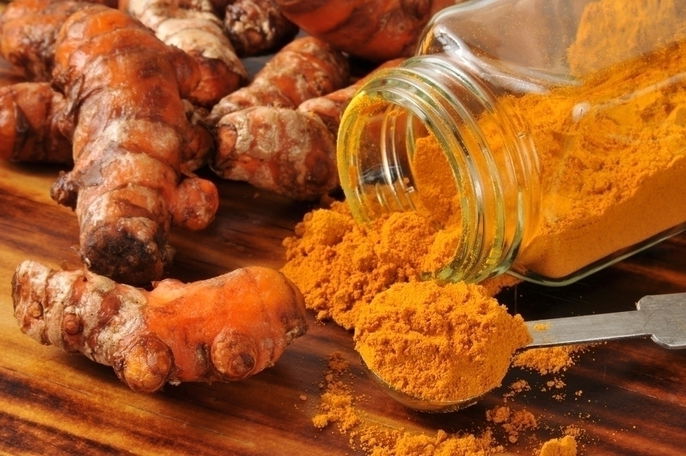
Health benefits
Turmeric benefits may include:
1. Reducing the risk for cancer
Turmeric contains phenolic compounds with antioxidant and anti-inflammatory properties to prevent the development of some types of cancer, like colon, breast, intestinal, bladder and bone marrow cancers.
This plant can also combat cancerous cells and increase the therapeutic effect of chemotherapy and radiation therapy. However, more studies are needed to support the effects of turmeric against cancer.
2. Reducing cholesterol
Due to its antioxidant properties, turmeric can help to reduce LDL cholesterol and triglyceride levels in the blood. This can be beneficial for the prevention of cardiovascular diseases like heart attack, stroke and atherosclerosis.
3. Relieving pain
When used for therapeutic purposes, turmeric can help to relieve headaches and joint pain. It can be used for rheumatoid arthritis, for example, which is associated with joint inflammation that causes pain and difficulty moving.
4. Promoting weight loss
Turmeric can help with weight loss due to its thermogenic action. It can stimulate increased fat and energy burning.
Also recommended: 13 Thermogenic Foods (That Burn Fat & Boost Your Metabolism) tuasaude.com/en/thermogenic-foodsTurmeric can also help to reduce inflammatory markers in the blood, which can become elevated in cases of obesity.
5. Preventing neurodegenerative diseases
Turmeric contains potent antioxidant and anti-inflammatory action that helps to boost cognitive capacity and prevent neurodegenerative diseases like Alzheimer’s, Parkinson’s or dementia.
6. Managing diabetes
This medicinal plant improves pancreatic cell function. This organ is responsible for insulin secretion, which is needed for blood sugar management. Therefore, using turmeric is a great option for patients with insulin resistance or diabetes.
7. Preventing allergy-related conditions
Some studies [1],[2], show that turmeric can help to prevent allergy-related conditions, like allergic rhinitis, allergic sinusitis and asthma. It inhibits the production of cytokines and IgE, which are substances that the immune system boosts production of during allergy flare-up
8. Treating intestinal problems
Because of its anti-inflammatory and digestive properties, turmeric is often recommended as a complementary treatment for inflammatory bowel diseases, like Crohn’s disease and ulcerative colitis.
9. Improving skin health
Because of its anti-inflammatory, antimicrobial and antioxidant action, turmeric can be prescribed in cream or capsule form to complement the medical treatment of skin issues like acne, alopecia, dermatitis, lichens planus or psoriasis.
10. Complimenting depression treatment
Turmeric can impact the balance between serotonin and dopamine, which are neurotransmitters that are essential for well-being and good mood. Therefore, turmeric can be a great option to complement the treatment of illnesses like depression, anxiety or stress.
Additionally, turmeric can also help to inhibit the formation of blood clots and even contributes to relieving premenstrual cramps.
11. Preventing gingivitis
Due to its antimicrobial action, turmeric can prevent or improve periodontal diseases, such as gingivitis and periodontitis.
This is made possible by the substances present in turmeric which inhibit the growth of various oral bacteria, like Porphyromonas gingivalis, homotypic Porphyromonas gingivalis, and Streptococcus gordonii.
Difference between turmeric and saffron
Saffron (Crocus sativus) is a flower with red filaments. It is rich in crocin, crocetin, safranal and kaempferol, which are bioactive compounds with anti-inflammatory and antioxidant action. Learn more about all the health benefits that saffron can offer.
Turmeric is a type of root that is more similar to ginger. It is orange and is rich in curcumin, demethoxycurcumin and bisdemethoxycurcumin, which are bioactive compounds with antioxidant, antimicrobial and anti-inflammatory action.
How to use
Turmeric can be used to season food and make teas, or it can be taken as a supplement.
1. Turmeric tea
Ingredients:
- 1 teaspoon of turmeric powder
- 150 mL of boiling water
How to prepare:
Place the turmeric powder in boiling water, cover, and steep for 10 to 15 minutes. After it has cooled, drink up to 3 cups daily between meals.
2. Turmeric capsules
The generally recommended dosage of turmeric capsules is two 250 mg capsules every 12 hours, totaling 1 g per day.
However, the dosage may vary depending on the condition being treated.
3. Turmeric powder
The most commonly used form of turmeric is its root powder, which is used to season foods such as curries, rice, soups, stews, marinades, and sauces.
Turmeric powder can be used as a natural pigment to color foods such as mustard, butter, cheese, or drinks like "Golden Milk."
It can also be mixed with milk, ginger, and honey to prepare antioxidant and anti-inflammatory infusions.
To improve the absorption of the root's antioxidants, turmeric can be consumed with oils, such as olive, coconut, or avocado oil.
To reap its benefits, it is recommended to combine turmeric with black pepper, which contains piperine, a compound that improves the body's absorption of curcumin.
4. Turmeric gel
To make turmeric gel, simply mix a tablespoon of aloe vera with turmeric powder and apply to inflamed areas of the skin, such as those with psoriasis.
Possible side effects
Side effects like stomach irritation and nausea can occur after excessive intake of turmeric.
Who should avoid consuming turmeric
Even though it has several health benefits, turmeric is not advised for patients who are taking anticoagulants or patients who have bile duct obstruction due to gall stones. Additionally, turmeric should only be taken under doctor supervision during pregnancy or lactation.