


- The TSH blood test helps assess thyroid function and is often paired with T3 and T4 to clarify what’s driving symptoms.
- High TSH usually points to low thyroid hormone levels, while low TSH often suggests the thyroid is making too much T3 and T4.
- Results can be affected by pregnancy and certain medicines or supplements (including biotin), so full context matters when interpreting the numbers.
The TSH blood test is used to evaluate how well the thyroid gland is working and is commonly ordered when thyroid disorders are suspected. It helps identify conditions such as hypothyroidism and hyperthyroidism, which can affect metabolism, energy levels, and overall health.
TSH is a hormone produced by the pituitary gland in the brain, and its main role is to signal the thyroid to produce triiodothyronine (T3) and thyroxine (T4). Because these hormones work together, changes in the tsh blood test often occur alongside abnormal T3 and T4 levels.
Abnormal TSH blood test results can be linked to thyroid diseases, pituitary disorders, or the effects of certain medications. For this reason, results are typically reviewed together with other thyroid tests to determine the cause and guide appropriate treatment or follow-up.
What it's used for
The TSH blood test is used to help diagnose:
-
Primary, congenital, clinical, or subclinical hypothyroidism;
-
Clinical, subclinical, or central hyperthyroidism;
-
Thyroid cancer;
-
Thyroid nodule or cyst;
-
Pituitary gland tumor or pituitary adenoma.
The TSH test may also be ordered to monitor how well treatment for thyroid disease is working.
Indications for testing
The TSH test is usually ordered when symptoms appear that may suggest a thyroid problem, such as weight changes, goiter, dry skin, a fast heartbeat, fatigue, or hand tremors.
Along with TSH, your doctor may order other thyroid tests, such as T3 and T4, and blood tests for antibodies like TRAb (thyrotropin receptor antibodies), anti-thyroglobulin, and anti-TPO. If there is concern about a possible malignant thyroid lesion, your doctor may also request a biopsy called a fine-needle aspiration biopsy (FNAB).
What does TSH do in the body?
Thyroid-stimulating hormone (TSH) signals the thyroid to make T3 and T4. These thyroid hormones help keep the heart, brain, liver, intestines, and kidneys working properly.
Thyroid hormones also help regulate metabolism and body temperature, and they can influence growth, the menstrual cycle, fertility, weight, and emotional state. When TSH is high in the blood, it generally means T3 and T4 levels are low, and when TSH is low, T3 and T4 levels are generally higher.
Preparing for the test
You do not need to fast for a TSH test, but some labs may recommend a 4-hour fast, so follow your lab’s instructions. Morning is usually the best time to do this test because TSH levels change throughout the day.
According to the American Thyroid Association, biotin can interfere with thyroid lab tests and may cause falsely low TSH and falsely high T3 and T4 results. For this reason, it is important to inform your doctor and the laboratory about any medications or supplements you use, including lithium, amiodarone, potassium iodide, corticosteroids, and biotin.
Test procedure
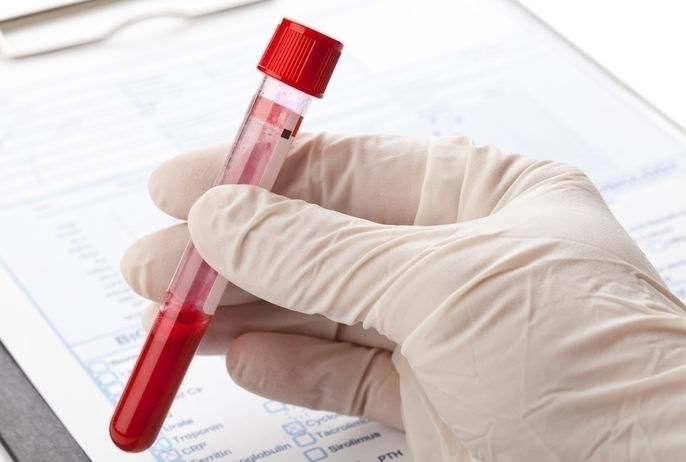
The TSH test is simple and done in a lab by drawing a blood sample, which is then sent for analysis.
Ultrasensitive TSH
According to the American Thyroid Association, measuring TSH in a blood sample is the best initial way to assess thyroid function, and changes in TSH can appear before T3 and T4 levels become clearly abnormal.
The ultrasensitive TSH test uses a highly sensitive lab method to measure very small amounts of TSH that a standard test may miss. Because of this sensitivity and reliability, ultrasensitive TSH testing is commonly used in routine care.
TSH reference values
Normal TSH levels vary by age and the lab performing the test. Typical ranges are:
These ranges can vary by lab, so results should always be evaluated by an endocrinologist.
Reference values during pregnancy
During pregnancy, TSH reference values are different and are considered normal as follows:
During pregnancy, TSH is usually lower and T4 may be higher because the thyroid is stimulated by beta-hCG. For this reason, TSH results in pregnancy should be interpreted by an OB/GYN or endocrinologist along with other thyroid tests.
How to understand the results
TSH results should be interpreted by an endocrinologist together with other ordered tests.
High TSH
High TSH may mean the thyroid is producing fewer thyroid hormones. It can also be linked to problems involving the pituitary gland in the brain.
The main conditions that can cause high TSH include:
-
Hypothyroidism: TSH may be high because the pituitary is trying to stimulate the thyroid when thyroid hormone levels are low. In this case, TSH is usually high and T4 is low. In subclinical hypothyroidism, TSH is high but T4 remains within the normal range;
-
Use of medications: Using too low a dose of levothyroxine to treat hypothyroidism, or using other medicines such as propranolol, furosemide, lithium, and iodine-containing medications may raise TSH levels in the blood;
-
Pituitary tumor: This can also lead to elevated TSH.
Symptoms linked to high TSH are typical of hypothyroidism and may include fatigue, weight gain, constipation, feeling cold, increased facial hair, dry skin, and brittle or breaking hair and nails.
Low TSH
Low TSH may mean the thyroid is producing excess thyroid hormones. It may also be linked to changes affecting the pituitary gland.
The main conditions that can cause low TSH include:
-
Hyperthyroidism: Low TSH commonly happens when the thyroid produces too much T3 and T4, leading the pituitary to reduce TSH release in an attempt to balance thyroid function;
-
Use of medications: If the levothyroxine dose used to treat hypothyroidism is too high, TSH levels can drop below the ideal range. Other medicines that may lower TSH include aspirin, corticosteroids, dopaminergic agonists, diclofenac, heparin, metformin, nifedipine, or pyridoxine, for example;
-
Pituitary tumor: This may also lead to low TSH.
Symptoms linked to low TSH are typical of hyperthyroidism and may include restlessness, heart palpitations, insomnia, weight loss, nervousness, tremors, and reduced muscle mass.
In this case, it is normal for TSH to be low and T4 to be high, but if T4 is still between 1.0 and 4.0 mIU/L, this may indicate subclinical hyperthyroidism.
Low TSH together with low T4 may indicate anorexia nervosa, for example, but the diagnosis is always made by the doctor who ordered the test.