


Transvaginal ultrasound is an imaging test in which an ultrasound probe is placed in the vagina to create images of the pelvic organs. These images may include the uterus, ovaries, cervix, and nearby pelvic structures.
Using the images from this test, doctors can identify different problems in the pelvic area, such as cysts, infections, ectopic pregnancy, cancer, and can even confirm a possible pregnancy.
Ultrasound has several advantages because it does not use ionizing radiation and can provide clear images of internal structures. This test may be used to help evaluate symptoms, follow a pregnancy, or obtain clearer images of pelvic structures when needed.
Indications for use
Transvaginal ultrasound may be used to evaluate pelvic organs and investigate symptoms such as pelvic pain, abnormal bleeding, or infertility when clinically indicated. The American College of Obstetricians and gynecologists (ACOG) states that pelvic evaluation should be performed when indicated by symptoms or medical history.
It may also be used when there is concern for conditions affecting the pelvic organs, such as ovarian cysts or an ectopic pregnancy. In some cases, ultrasound may also be used to evaluate placement of an IUD.
During pregnancy, transvaginal ultrasound may be used to:
-
Identify early signs of a possible miscarriage
-
Monitor the fetal heartbeat
-
Examine structures related to the pregnancy, such as the placenta
-
Help evaluate vaginal bleeding during pregnancy
Ultrasound may be used to confirm an early pregnancy and estimate how far along the pregnancy is. ACOG states that first-trimester ultrasonography is the most accurate method to establish or confirm gestational age.
Also recommended: Gestational Age Calculator: Number of Weeks Pregnant & Due Date tuasaude.com/en/calculate-your-gestational-agePreparing for the test
Preparation depends on the reason for the exam and the instructions given by the clinician or imaging center. Patients should follow the specific instructions they are given before the ultrasound.
Tampons and menstrual cups should be removed prior to the exam if the patient is on their period or having bleeding outside of their menstrual period.
Procedure steps
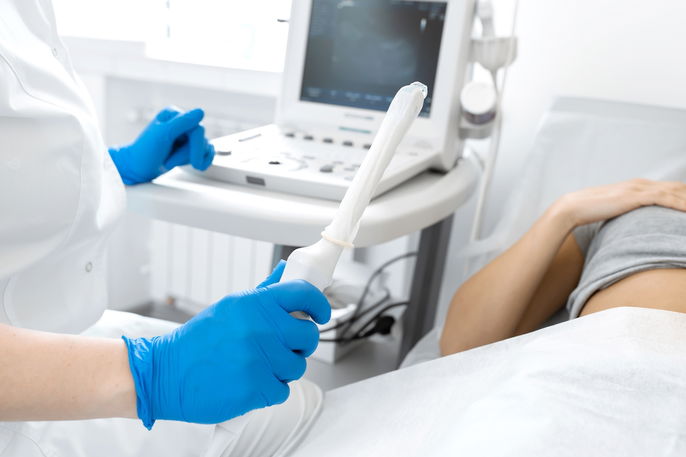
For a transvaginal ultrasound, the ultrasound transducer is placed in the vagina to obtain images. During the exam, the doctor or ultrasonographer inserts the ultrasound device (transducer), which is covered with a condom and lubricant, into the vaginal canal. The transducer remains in place during the exam and may be repositioned to get better images.
After the exam, most patients can return to their usual daily activities unless their clinician gives different instructions. Specific aftercare depends on the reason the ultrasound was done.
Frequently asked questions
Some common questions about transvaginal ultrasound include:
1. Is transvaginal ultrasound painful?
A transvaginal ultrasound is not usually described as painful, but some people may feel pressure or discomfort during the exam. If the exam is painful or feels too uncomfortable, it is important to let the clinician know.
2. Do I need to remove pubic hair before the exam?
ACOG’s patient guidance on ultrasound does not describe pubic hair removal as a requirement for a transvaginal ultrasound. Patients should follow the instructions provided by their clinician or imaging center before the exam.
3. Can I have this exam if I've never had sex?
Whether a transvaginal ultrasound is appropriate depends on the reason for the exam, the patient’s symptoms, medical history, and personal preferences.
The clinician will recommend which type of ultrasound is best for the situation. Not having had sex does not mean you cannot have this exam.
4. Can I have sex before a transvaginal ultrasound?
ACOG’s patient guidance does not give a general rule about sex before a transvaginal ultrasound. Patients should follow the instructions given by their clinician or imaging center.
5. Do I need a full bladder?
The preparation for ultrasound depends on the type of exam and the images needed. In some cases, to better visualize the pelvic organs, the clinician may ask for a full bladder. Patients should follow the instructions they receive before the appointment.