


Too much protein can put extra strain on the kidneys, making it harder for them to do their job and increasing the risk of kidney stones. Too much protein can also affect how the liver works and contribute to increased body fat.
Protein is essential for the body to function properly because it supports metabolism, wound healing, and muscle-building. In general, an intake of 0.8 to 1.3 g of protein per kg of body weight per day is recommended.
Because protein needs vary, it is recommended to consult a registered dietitian to calculate daily protein needs based on health status, body weight, and level of physical activity. This helps ensure adequate intake while reducing the risk of too much protein.
Main symptoms
Too much protein can cause the following signs and symptoms:
-
Body fat gain;
-
Dehydration;
-
Increased thirst;
-
Excess gas;
-
Bad breath;
-
Constipation or diarrhea;
-
Foamy urine.
To confirm an excess of protein, a doctor or registered dietitian may recommend tests that measure protein levels in the blood and/or urine. Read more about causes of protein in the urine.
Possible causes
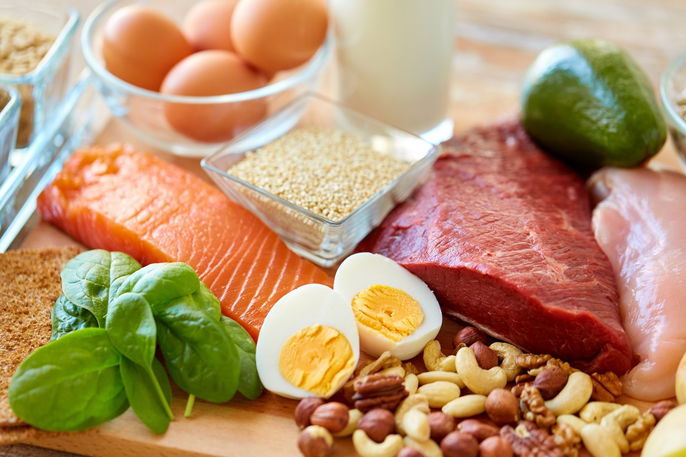
The main cause of too much protein is eating large amounts of high-protein foods, such as chicken, eggs, fish, beef, yogurt, and milk.
In addition, conditions such as kidney or liver disease, hepatitis B or C, multiple myeloma, certain types of lymphoma, or dehydration can lead to abnormally high protein levels in the blood.
Health risks
The main health risks associated with too much protein include:
1. Kidney problems
Too much protein overloads the kidneys, which then need to work harder than usual to eliminate the excess. Over time, this can increase the risk of kidney problems or worsen existing ones, including kidney stones and long-term kidney failure.
2. Cardiovascular disease
Excess protein intake may increase the risk of cardiovascular disease because foods high in protein are often also high in saturated fat. In excess, saturated fat raises levels of “bad” cholesterol (LDL) in the blood.
3. Liver changes
The liver stores excess protein as fat. With large protein intake, the liver has to work harder to store fat, which may cause liver injury and interfere with proper liver function over time.
4. Increased cancer risk
Too much protein from red meat, such as beef, pork, or lamb, and from processed meats, such as bacon, sausage, and salami, may increase the risk of colon, prostate, and pancreatic cancer.
This increased cancer risk is thought to be related to the iron and fat content in red meat and/or to the salt and nitrates or nitrites used in processed meats.
Protein supplements
Protein supplements are generally recommended when it is not possible to get an adequate amount of this macronutrient through diet alone.
Protein supplements such as whey protein, casein, and creatine may also be recommended to support muscle gain in people who exercise.
However, protein supplements should ideally be used only after an assessment by a registered dietitian or a physician specialized in nutrition. These professionals can evaluate your overall health, diet, and activity level, and advise on the appropriate dosage and best timing to avoid excessive intake.