


Thyroglobulin is a protein produced by the thyroid gland that plays an important role in the production of thyroid hormones. A thyroglobulin blood test may be ordered to assess how well thyroid cancer is responding to treatment or to detect a recurrence of the disease after surgical removal of the thyroid gland.
However, changes in thyroglobulin levels in the blood are not always linked to cancer. Elevated or decreased levels may also occur in other thyroid conditions such as hyperthyroidism or thyroiditis.
If thyroglobulin levels are abnormal, it is recommended to see an endocrinologist or primary care physician for evaluation and to determine if there is a thyroid issue that requires treatment.
What is the thyroglobulin test used for?
A thyroglobulin test may be ordered to:
-
Monitor how well thyroid cancer is responding to treatment, especially after thyroid removal
-
Detect recurrence of thyroid cancer after surgical removal of the gland, serving as a tool for ongoing follow-up
-
Help diagnose factitious thyrotoxicosis, which is a condition caused by excessive thyroid hormone in the bloodstream due to medications like levothyroxine
In addition, in cases of thyroid cancer, thyroglobulin levels can help indicate disease activity, since the amount of thyroglobulin in circulation is usually proportional to how active and large the thyroid gland is.
What is the relationship between anti-thyroglobulin and thyroglobulin?
Anti-thyroglobulin antibodies are produced by the immune system in response to thyroglobulin. These antibodies may be detected in autoimmune thyroid conditions such as Hashimoto's thyroiditis and Graves' disease.
How the thyroglobulin test is done
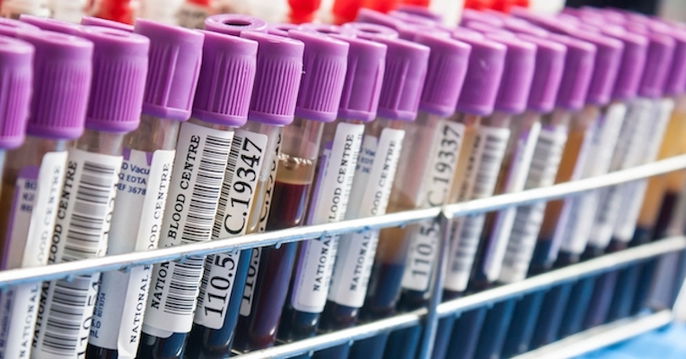
The thyroglobulin test is performed using a small sample of blood that is sent to a lab for analysis.
In most cases, no special preparation is needed. However, depending on the testing method, some labs may recommend avoiding certain supplements, such as those containing vitamin B7 (biotin), for at least 12 hours before the test, since biotin may interfere with the results.
What the results mean
The reference range for thyroglobulin may vary depending on the laboratory and the testing method used. In general, normal levels range from 3.5 to 77 ng/mL.
High thyroglobulin levels
High thyroglobulin levels may be caused by:
-
Use of antithyroid medications, such as methimazole or propylthiouracil
-
Hyperthyroidism, due to overstimulation of the thyroid gland
-
Thyroiditis, which is inflammation of the thyroid gland
-
Trauma to the thyroid, such as after surgery or biopsy
-
Chronic kidney disease, which affects the body’s ability to eliminate substances
-
Pituitary adenoma, if it causes excess TSH production
-
Thyroid cancer, including potential metastasis or remaining cancerous tissue after thyroid surgery
While high thyroglobulin levels may appear in cases of thyroid cancer, the test alone is not used to confirm a diagnosis. Additional tests, such as a biopsy, are needed to identify the presence of a tumor.
Low thyroglobulin levels
In most cases, low thyroglobulin levels indicate that the thyroid gland is functioning normally. Low levels may also occur after surgical removal of the thyroid or as a result of taking high doses of thyroid hormone medication.
However, in cases of thyroid cancer where the gland has been removed, thyroglobulin levels are expected to be undetectable. Therefore, even slightly detectable levels in this context may be a sign of cancer recurrence.