


Stress can cause both physical and mental symptoms, such as dry mouth, headache, hair loss, irritability, dizziness, difficulty sleeping, muscle tension, and stomach pain.
The symptoms of stress are more common in adults, but they can also appear in children and teenagers. Stress may be triggered by major life changes, grief, pregnancy, discrimination, or work-related problems.
When symptoms of stress occur, it is recommended to see a psychiatrist or primary care doctor. The doctor can make the correct diagnosis and suggest the most appropriate treatment, which may include natural remedies, psychotherapy, and, in some cases, medication.
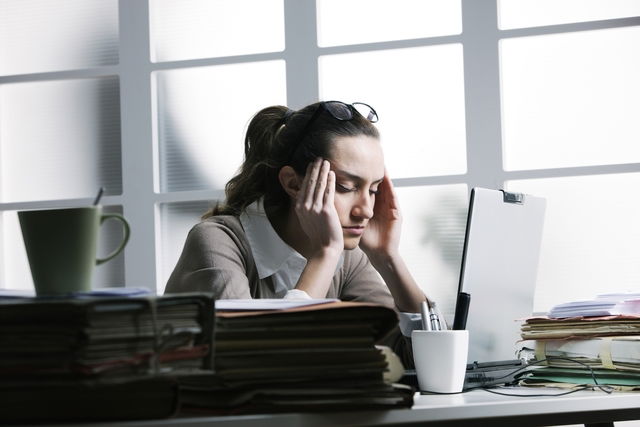
Main symptoms of stress
The main symptoms of stress include:
-
Anxiety, distress, irritability, or excessive worry
-
Dry mouth
-
Headache
-
Muscle tension or pain
-
Increased heart rate
-
Diarrhea
-
Difficulty sleeping
-
Cold, tingling, or sweaty hands and feet
-
Shortness of breath
-
High blood pressure
-
Problems with concentration and memory
-
Changes in appetite
-
Loss of interest in activities once enjoyed
-
Feeling out of control
-
Jaw clenching or teeth grinding
-
Nail biting or chewing on objects
-
Hair loss
-
Stomach pain
In addition, stress can also cause skin problems, dizziness, and reduced sexual desire.
Symptoms of post-traumatic stress
Some symptoms of post-traumatic stress include intense flashbacks, frightening thoughts or frequent nightmares, rapid heartbeat, and excessive sweating.
Post-traumatic stress disorder is a psychological condition in which a person repeatedly relives a past traumatic event, such as war, assault, or sexual abuse.
Symptoms of stress and anxiety
The symptoms of stress and anxiety are very similar, but the two conditions are different.
Stress is the body’s natural reaction to situations of danger or threat. It puts the body on alert and causes physical and emotional changes to help adapt to new situations.
Anxiety, on the other hand, can develop as a result of stress. It is marked by a long-lasting feeling that does not go away quickly and may interfere with daily life.
Symptoms of mental stress
Mental stress can cause both physical and psychological effects, such as insomnia, irritability, increased heart rate, changes in appetite, social withdrawal, and fatigue.
Online stress test
To check your stress levels, answer the following questions in the stress test:
This stress test is only a guidance tool. It should not replace a medical diagnosis or a consultation with a primary care doctor.
What to do
Some measures that can help relieve and manage stress include:
1. Use natural remedies
Natural options like chamomile tea, lemon balm tea, linden tea, valerian tea, and lavender essential oil may help reduce stress.
These plants have calming properties that help relax the mind and improve sleep.
2. Change lifestyle habits
Making lifestyle changes, such as getting enough sleep and avoiding smoking, alcohol, and illicit drugs, can reduce stress.
Relaxing activities like massage, meditation, yoga, or enjoyable hobbies can also calm the mind and help prevent stress.
3. Do psychotherapy
Psychotherapy with a psychologist or psychiatrist can be very effective for stress management. Therapy provides techniques and strategies that help a person face challenges in a healthier way.
4. Exercise regularly
Regular physical activity, such as running, weight training, or dancing, can help relieve stress.
Exercise boosts the release of endorphins, natural chemicals that promote relaxation, relieve pain, and improve mood and well-being.
5. Take medication
In some cases, a doctor may prescribe medication such as antidepressants (sertraline or paroxetine) or beta-blockers (propranolol) to help manage stress.