


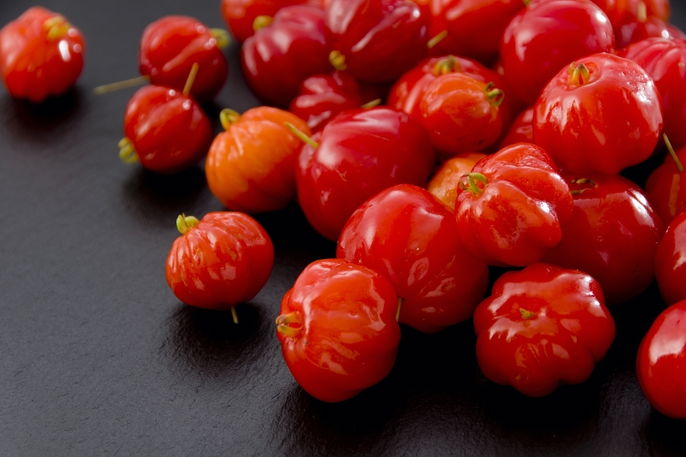
Suriname cherry (Eugenia uniflora), also known as Brazilian cherry or pitanga, is a tropical fruit with many health benefits. It can help lower the risk of heart disease, protect eye health, prevent premature aging, and even help treat diarrhea.
These benefits come from its high levels of vitamin C, fiber, flavonoids, and carotenoids, nutrients and bioactive compounds with antioxidant, astringent, and digestive properties.
Suriname cherries come in different varieties, such as orange, white, and red, which vary in their phenolic and carotenoid content. The fruit is available fresh or as frozen pulp in supermarkets and local markets and can be eaten raw or used to make desserts, jams, and juices.
Health benefits
The main health benefits of Suriname cherry include:
1. Reducing the risk of cardiovascular disease
Suriname cherry is rich in polyphenols and vitamin C, which have antioxidant effects that help keep blood vessels healthy and improve artery function.
Because of this, eating the fruit regularly may help reduce the risk of cardiovascular problems such as heart attack, heart failure, and high blood pressure.
2. Supporting eye health
Suriname cherry helps maintain healthy vision because it provides good amounts of vitamin A, beta-carotene, and lutein.
These nutrients protect the eyes and help lower the risk of conditions like macular degeneration and cataracts.
3. Strengthening the immune system
This fruit is an excellent source of vitamin C, which supports immune cell activity and helps the body fight infections caused by viruses, bacteria, and fungi.
4. Preventing premature aging
Suriname cherry helps prevent premature aging because it contains vitamins A and C, antioxidants that protect the skin from damage caused by free radicals.
Vitamin C also promotes collagen production, which helps keep skin firm and reduces sagging, wrinkles, and fine lines. In addition, vitamin A helps protect the skin from sun damage that contributes to early aging.
5. Preventing constipation
The fiber in Suriname cherry supports regular bowel movements by adding bulk to stool and stimulating natural intestinal activity, which helps prevent and relieve constipation.
6. Helping to lower the risk of cancer
This fruit contains antioxidant compounds such as flavonoids, lycopene, beta-carotene, and lutein, which help protect cells from oxidative stress and may reduce the risk of cancer.
These bioactive compounds can also limit DNA damage and slow the growth of abnormal or cancerous cells.
7. Treating diarrhea
Tea made from the leaves of the Suriname cherry tree has astringent and digestive properties that may help relieve non-infectious diarrhea by reducing intestinal secretions and water loss and improving stool consistency.
The polyphenols in Suriname cherry also support healthy gut bacteria, improving digestive balance and function.
8. Having antimicrobial effects
The leaves of the Suriname cherry tree and the essential oil extracted from its seeds contain phenolic compounds, tannins, terpenoids, and lectins, which have antimicrobial, antiviral, and antifungal properties.
These compounds may help fight bacteria such as Escherichia coli (E. coli), Pseudomonas aeruginosa, Streptococcus species, and Candida fungi.
9. Reducing swelling and fluid retention
Suriname cherry leaf tea has natural diuretic properties, which help increase urine output and reduce fluid buildup, easing swelling and bloating throughout the body.
Also recommended: 14 Natural Diuretic Teas for Fluid Retention tuasaude.com/en/natural-diureticsNutrition facts
The following table provides nutritional information based on 100 g serving of fresh Suriname cherries.
To get the most benefits, Suriname cherry should be included as one part of a healthy, well-balanced diet combined with regular physical exercise.
How to eat
Suriname cherry can be eaten fresh or used in recipes for juices, smoothies, desserts, ice cream, jams, and cakes.
Another option is to make tea using the leaves of the Suriname cherry tree.
Healthy recipes
Some simple and nutritious ways to enjoy Suriname cherry include:
1. Suriname cherry leaf tea
Ingredients:
-
1 Tbsp of fresh Suriname cherry leaves;
-
150 mL of water.
Directions:
Boil the water in a pot, then remove it from the heat. Add the leaves, cover, and let steep for 5 minutes. Strain and drink 30 mL after each episode of diarrhea, up to 10 times a day, for a maximum of 30 days. Do not exceed 300 mL per day.
Precautions:
Suriname cherry leaf tea is not recommended for people who are pregnant or breastfeeding or for children under 18, as there is not enough data on its safety in these groups.
People with arrhythmias or heart failure should only use this tea if approved by a healthcare provider or under the guidance of an herbal medicine specialist.
2. Suriname cherry juice
Ingredients:
-
½ cup of fresh Suriname cherries;
-
100 mL of cold water;
-
1 tsp of honey.
Directions:
Wash the cherries and remove the stems. Blend the whole fruits with water until the pulp separates from the seeds. Strain, add honey, and serve with ice.
3. Suriname cherry mousse
Ingredients:
-
12 g (4 tsp) of unflavored gelatin powder;
-
400 g (14 oz) of Greek yogurt;
-
200 g (7 oz) of frozen Suriname cherry pulp;
-
3 egg whites;
-
2 Tbsp of brown sugar.
Directions:
In a small bowl, combine 5 Tbsp of cold water with the gelatin, then heat the mixture in a double boiler until the gelatin is completely dissolved. Set aside.
Blend the yogurt, Suriname cherry pulp, ½ cup of water, and the dissolved gelatin until smooth.
In a mixer, beat the egg whites with the brown sugar until soft peaks form. Gently fold the whipped egg whites into the Suriname cherry cream. Pour into dessert cups and refrigerate for about 4 hours, or until firm. Serve chilled.