


Using a homemade sugar wax recipe and make hair removal at home easy and accessible. You can use refined or brown sugar, and add ingredients like honey and passion fruit to help reduce skin irritation after treatment.
Sugar wax recipes are a great option as they do not contain irritants that can cause redness and itching. It is also cost-effective since it is prepared with affordable ingredients that are easy to find.
However, taking precautions before waxing is essential, such as performing a patch test to check for allergies. It is also important to moisturize daily and exfoliate the area you plan to wax.
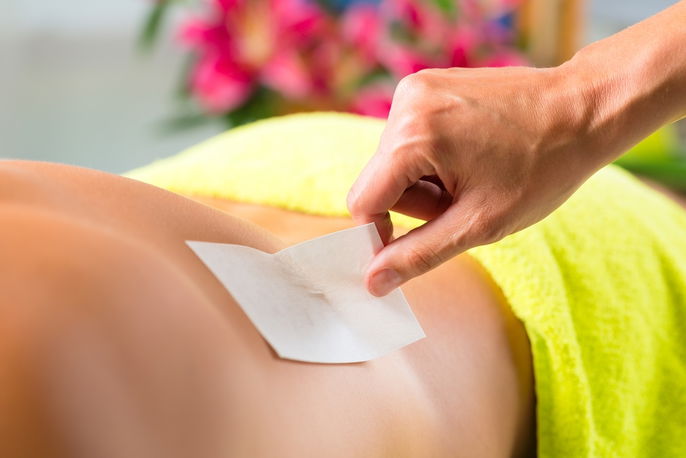
Homemade wax options
Some recipe options for at-home hair removal wax include:
1. Sugar and honey
Wax made with sugar and honey has antibacterial and anti-inflammatory properties. It also helps hydrate the skin and keep it soft.
Ingredients
-
2 full cups of refined or brown sugar
-
1 dessert spoon of honey
-
1 tablespoon of water
Preparation method
Place the water, sugar, and honey in a pot and stir over medium heat until the sugar begins to melt. The wax has reached the right consistency when it creates a tacky, pulling texture.
Before using, it is important to let it cool slightly to avoid burning your skin.
2. Sugar and passion fruit
Sugar and passion fruit wax is an excellent choice for efficient hair removal. It also provides a calming effect and deep hydration for the skin.
Ingredients
-
2 cups of strained passion fruit juice
-
4 cups of refined sugar
Preparation method
Place the sugar in a pot over medium heat and stir until it begins to melt. Next, gradually add the passion fruit juice while stirring constantly to prevent the sugar from crystallizing. When the mixture reaches a boil, remove it from the heat and continue stirring until the wax is glossy but still liquid. Let it cool for 30 minutes before applying it to the skin. If you are waxing a larger area, you can increase the ingredient quantities while maintaining the same ratio.
3. Sugar and cocoa
Ingredients
-
2 cups of white granulated sugar
-
2 tablespoons of lemon juice
-
1/2 cup of honey
-
20 grams of cocoa powder
Preparation method
Melt the sugar in a pot over medium heat until it caramelizes. Slowly add the lemon juice and honey, then mix in the cocoa powder, stirring well until it forms a paste. If the mixture becomes too thick, you can add a small amount of water.
How to wax at home
To wax at home and get the best results, it is important to follow these steps:
-
Apply a thin layer of warm wax in the direction of hair growth using a spatula or wooden stick.
-
Place a waxing strip over the wax and smooth your finger over the strip gently for about 5 to 10 seconds to ensure adherence.
-
Remove the wax by pulling in the opposite direction of hair growth.
It is recommended to apply wax only 1 to 2 times in the same spot to avoid causing skin irritation.
To remove any wax residue left on the skin, use the waxing strip or apply a product like sweet almond oil with a cotton ball.
Post-waxing care
Taking care of your skin after waxing is fundamental to maintaining skin integrity and aiding cell renewal. Recommended steps include:
-
Apply a soothing lotion: Skin irritation from waxing can cause itching in the treated area. Iced chamomile tea is a great option to relieve discomfort and provide a cooling sensation. To make the lotion, boil 2 cups of water with 2 chamomile tea bags and let it cool. Apply the cold lotion to the treated area using a cotton ball or spray bottle.
-
Avoid washing with very hot water: Hot water can increase skin irritation and lead to dark spots. It is recommended to wash the area with lukewarm or cool water to help reduce pain.
-
Moisturize the skin: Daily moisturizing improves nutrition and maintains skin integrity.
-
Exfoliate the skin once a week: Removing dead cells from the top layer of skin helps natural active ingredients penetrate better. It also makes hair removal more efficient and less painful.
It is fundamental to apply sunscreen to the treated area after the procedure. Waxing causes slight peeling by removing the outermost layer of skin, which can increase the risk of burns and dark spots.