


- Seek immediate assessment if your pain is accompanied by nausea, vomiting, or bloating.
- Report any pain or burning during urination or changes in bowel movements to your provider.
- Do not ignore these symptoms; schedule an appointment to determine the underlying cause.
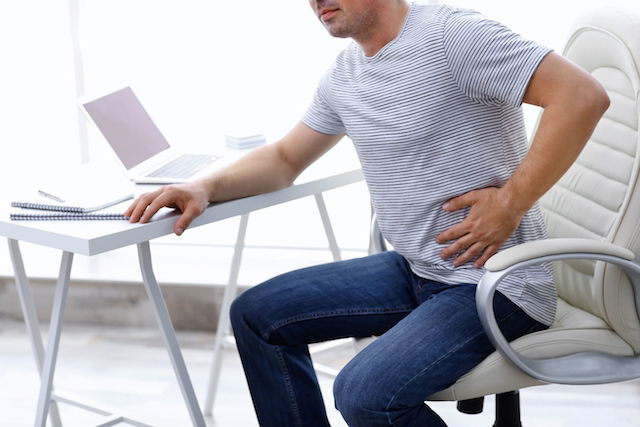
Stomach and back pain occurring at the same time can be alarming, but the causes range from mild muscular strain to internal organ issues.
In many cases, this dual pain is mechanical and caused by spinal issues, poor posture, or sleeping on an unsupportive mattress. However, when the pain radiates or feels deeper, it may signal an underlying condition such as kidney stones, gallbladder inflammation, or severe gas.
If your pain is manageable and unaccompanied by the warning signs listed above, the cause may be mechanical or lifestyle-related. The following breakdown will help you distinguish between muscular strain and internal organ issues so you can find the right relief.
1. Kidney stones
Kidney stones are hard mineral deposits that form in the kidneys and can move through the urinary tract, often causing intense pain when they shift or block urine flow.
What it feels like
Sudden, intense pain in the lower back or side, often radiating to the lower abdomen or groin. Pain may come in waves and be accompanied by nausea, vomiting, or burning when urinating.
How to treat
You should proceed to the hospital to determine the size of the kidney stones and to initiate treatment that can relieve pain and get rid of the stone. Read about home remedies for kidney stones that you can use to complement your prescribed medical treatment.
2. Spinal problems
Spinal conditions like arthrosis, disc herniation or poor posture can lead to back pain that sometimes radiates to the abdomen.
What it feels like
Dull or sharp back pain that worsens with movement or poor posture, and may radiate to the stomach. It often feels like deep muscular tension or stiffness, especially after long periods sitting or standing.
How to treat
You should see an orthopedic surgeon for a lower spine x-ray to determine if there are any visible changes. Pain can be treated with analgesics, anti-inflammatories or physiotherapy to improve posture and prevent worsening or complications (like a disc hernia or osteophytosis).
Also recommended: Arthrosis: Symptoms (w/ Online Quiz), Diagnosis, Types & Treatment tuasaude.com/en/arthrosis3. Gas
Excessive intestinal gas can stretch the intestines, leading to abdominal pain that may radiate to the back.
What it feels like
Cramping or stabbing pain that shifts around the abdomen and may extend to the back. Often accompanied by bloating, pressure, or a feeling of fullness that improves after passing gas or having a bowel movement.
How to treat
Drinking a fennel tea and then walking for about 40 minutes may be beneficial in getting rid of the gas naturally. However, if the pain does not resolve, you can try drinking a plum-infused water, which promotes bowel movements and the passing of gas. Eat light, fresh meals, like fruits and vegetables, and sip small quantities of water throughout the day. Drinking chamomile or lemon balm tea can also help to relieve pain. Check-out our other home remedies for gas.
Also recommended: Gas Pain: Symptoms, Diagnosis, Causes, & Treatment tuasaude.com/en/gas-symptoms4. Gallbladder inflammation
Gallbladder inflammation is often caused by gallstones and can lead to upper abdominal pain that may radiate to the back or shoulder.
What it feels like
Sharp or cramping pain in the upper right or middle abdomen that can radiate to the back or right shoulder blade. It often starts after eating fatty foods and may come with nausea or a heavy, bloated feeling.
How to treat
You are advised to see a gastroenterologist to order an ultrasound and confirm the presence of a gallstone. The specialist will assess the need for surgical removal of the gallbladder. Check-out some natural remedies for gallstones that you can take to complement your prescribed medical treatment.
5. Intestinal disease
Conditions like irritable bowel syndrome (IBS) or Crohn’s disease can affect the intestines and cause abdominal pain that spreads to the back.
What it feels like
Diffuse or cramping pain in the abdomen that may radiate to the lower back. It often fluctuates in intensity and is linked to bowel movements, bloating, or irregular stools.
How to treat
You should monitor your intestinal symptoms and try to identify what causes constipation, gas or diarrhea. A consult with a gastroenterologist may be useful for assessment of other symptoms. Testing may be ordered to confirm a diagnosis and initiate treatment.
Also recommended: IBS Diet (for Symptom Relief): Food Lists, Meal Plan and Expert Tips tuasaude.com/en/ibs-diet6. Pancreatitis
Pancreatitis is inflammation of the pancreas, which can be caused by alcohol use, gallstones, or infections. It often requires urgent treatment.
What it feels like
Deep, constant pain in the upper abdomen that may radiate to the middle or upper back. It can start suddenly, worsen over time, and be accompanied by nausea, vomiting, or fever.
How to treat
You should proceed to the emergency room to confirm whether it is pancreatitis. Treatment usually involves the use of analgesics, anti-inflammatories and specific enzymes to promote good pancreatic function. Depending on the cause of inflammation (e.g. obstruction, tumor or infection), antibiotics or even surgical intervention may be necessary. The doctor will also advise a pancreatitis diet that will help to relieve symptoms and prevent them from worsening.
7. Lumbago
Lumbago refers to lower back pain that can be triggered by excessive physical effort, poor posture, or lifting heavy weights.
What it feels like
Aching or stabbing pain in the lower back that may extend to the abdomen, especially after physical exertion or poor posture. The pain often worsens with movement and may radiate to the glutes or legs.
How to treat
Applying a warm compress to the back can relieve mild to moderate pain. However, you should see an orthopedic surgeon to complete testing and start treatment, which can be done with physiotherapy. Try these lower back stretches to help you relieve pain at home.
Also recommended: Sciatica: What Is It & How to Relieve (with symptoms quiz) tuasaude.com/en/sciatica8. Pyelonephritis
Pyelonephritis is a kidney infection that occurs when bacteria spread from the bladder to the upper urinary tract, causing inflammation and pain.
What it feels like
Sharp or throbbing pain on one side of the lower back, possibly radiating to the lower abdomen. It’s often accompanied by fever, chills, fatigue, and sometimes burning when urinating.
How to treat
Proceed to the emergency room, as you may need medications to relieve pain and fever, as well as antibiotics. The doctor will likely order blood and urine tests.
9. Pregnancy
Back pain that radiates to the abdomen at the start of pregnancy can happen due to an intercostal nerve problem, which can happen due to belly growth. However, it can also be a sign of a uterine contraction. If the pain starts in the stomach area and radiates to the back, it may be a sign of gastric reflux, which is common in pregnancy due to increased uterine volume and stomach compression.
What it feels like
Pain caused by intercostal neuralgia is sharp and close to the ribs. Back pain that radiates to the lower stomach may be a sign of uterine contractions, which happen from labor.
How to treat
Apply a warm compress over the area of pain and stretch, leaning your body to the opposite side of the pain. Your obstetrician may recommend a vitamin B complex, which can help with peripheral nerve recovery. For reflux, you should ensure your diet is light and avoid lying down after eating. Learn about other ways you can relieve back pain during pregnancy.