


- Sudden back pain, numbness in the legs or feet, leg swelling, or trouble walking needs medical evaluation.
- Regular, rhythmic back pain may be a sign of labor, especially if it starts suddenly or happens with pelvic pressure or contractions.
- Back pain that does not improve with rest or stays constant day and night should not be ignored.
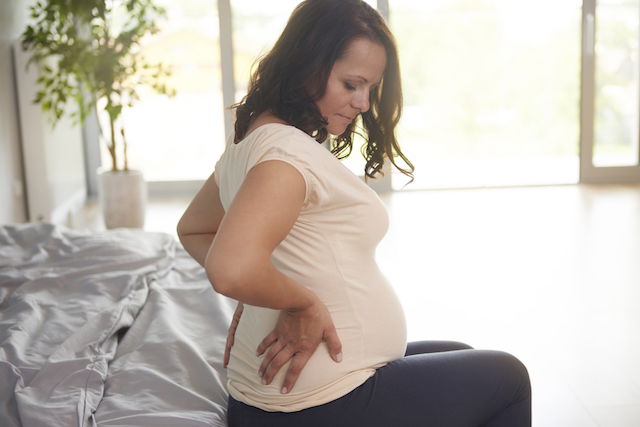
Back pain during pregnancy is very common and occurs as the body changes to support the growing baby. It is often related to changes in posture, extra weight, and increased pressure on the spine and surrounding muscles.
Back pain during pregnancy can range from mild discomfort to more intense pain that may radiate to the legs or make movement difficult. In some cases, symptoms like numbness, swelling, or difficulty walking may require medical attention.
Back pain during pregnancy can often be managed with simple measures such as stretching, proper sleep positioning, massage, and regular exercise. Treatments like physical therapy or safe medications may be recommended when pain becomes more severe.
Main causes
The main causes of back pain during pregnancy are:
-
Changes in the curvature of the spine due to the uterus growing outward
-
An increase in breast size and changes in the lower back, which increase thoracic kyphosis and can cause back pain
-
Changes in the muscles and ligaments, which can make pain worse when standing or sitting for a long time
-
Doing household or work activities that involve repeated movements
-
Inflammation of the sciatic nerve, which may cause sharp or burning pain in the lower back that can radiate down the leg, making it harder to walk or sit
In addition, toward the end of pregnancy, especially after 37 weeks, uterine contractions may be felt as back pain. Braxton Hicks contractions are usually irregular, while more regular, rhythmic back pain may be one of the signs of labor.
Back pain that does not improve with rest and stays constant during the day and night may be a sign of something more serious and should not be ignored.
Tips for relief
Some tips to relieve back pain during pregnancy include:
1. Applying a warm compress
Taking a warm shower and directing the water to the painful area, or placing a hot water bottle on the back, is a good way to relieve pain.
Applying warm compresses with basil or eucalyptus essential oil to the affected area for 15 minutes, 3 to 4 times a day, may also help.
2. Placing pillows between the knees
Placing a pillow between the knees when sleeping on your side helps reduce pressure on the hips and lower back. It also helps keep the spine aligned, which can relieve pain.
3. Getting a massage
Back and leg massages can be done daily with sweet almond oil to help relieve muscle tension.
4. Doing stretching exercises
To do these stretches, lie on your back with your knees bent, holding one leg at a time with your hands placed behind your thighs. Hold the stretch for about 1 minute at a time while breathing steadily. This movement helps straighten the lower back and may provide quick relief.
Because lying flat on your back later in pregnancy can cause discomfort or reduce blood flow, this stretch should only be done for a short time and stopped right away if it causes dizziness, nausea, or shortness of breath.
5. Seeing a physical therapist
Different physical therapy techniques may help relieve back pain during pregnancy. A physical therapist may recommend exercises, posture changes, supportive strategies, and other treatments based on the cause and severity of the pain.
Because treatment should be individualized during pregnancy, it is best to be evaluated by a physical therapist so the safest and most appropriate option can be recommended.
6. Taking medication
Oral medicines such as acetaminophen may also be considered during periods of stronger pain, but, according to the CDC, use of medications during pregnancy should always be guided by a healthcare provider to avoid risks to the fetus.
7. Exercising regularly
Engaging in moderate physical activity during pregnancy can help reduce back pain and improve overall physical health, according to the American College of Obstetricians and Gynecologists (ACOG).
Swimming, yoga, Pilates, walking, dancing, or hydrotherapy may be recommended for about 30 minutes a day.
Is it normal to have back pain in early pregnancy?
It is very common for pregnant women to start having back pain early in pregnancy because of higher levels of progesterone and relaxin in the bloodstream. These hormones make the ligaments of the spine and sacrum looser, which can lead to pain in the middle or lower back.
Having back pain before pregnancy also increases the chance of having this symptom during pregnancy, starting in the first trimester. In some people, the pain gradually gets worse as the pregnancy progresses.
Prevention measures
To help lower the risk of back pain during pregnancy, it may help to start pregnancy at a healthy weight when possible and stay within the recommended weight gain range for pregnancy, based on pre-pregnancy BMI.
Regular physical activity during pregnancy is also considered safe for most people and may help reduce excessive weight gain. Other strategies that may also help include:
-
Using good posture when sitting and walking
-
Doing regular stretching and strengthening exercises as recommended by a healthcare professional
-
Avoiding lifting heavy objects, but if lifting is necessary, keeping the object close to the body, bending the knees, and keeping the back straight
-
Wearing comfortable, supportive shoes with low heels
-
Asking a healthcare professional whether a maternity support belt may be helpful as the belly gets heavier
During pregnancy, the growing uterus pulls your belly forward, which increases the curve in your lower back and changes the tilt of your pelvis and sacrum. The upper back also adjusts to the heavier breasts and the change in your lower spine by rounding more. These posture changes together can lead to back pain.
Warning signs
Back pain during pregnancy is not always serious, but you should see your OB-GYN or midwife if it does not get better after trying different ways to relieve it, or if it is so strong that it keeps you from sleeping or doing everyday activities.
You should also seek medical care if the back pain starts suddenly or happens along with other symptoms, such as nausea or shortness of breath.
Lower back pain during pregnancy should not be ignored because it can affect overall well-being, disturb sleep, and reduce energy for daily activities. It can also make it harder to work, manage household tasks, and take part in social or leisure activities, and in some cases may lead to time away from work.
