


- Spinal fracture can damage the spinal cord and may cause long-term weakness or paralysis, especially when the injury is in the neck area.
- Diagnosis typically relies on a physical exam plus imaging like X-ray, CT, or MRI to confirm the fracture and pinpoint its location.
- Seek emergency care right away if there is tingling, numbness, decreased sensation, or any paralysis in the arms or legs, as delays can increase the risk of permanent nerve damage.
Spinal fracture is a serious injury that can lead to permanent paralysis of the legs or the entire body, depending on which vertebra is affected. It most often happens after a car crash, a fall from a significant height, or a sports-related accident.
Diagnosis should be made by an orthopedic surgeon based on the results of a physical exam and imaging tests. These tests may include X-ray, computed tomography (CT), and magnetic resonance imaging (MRI).
Treatment depends on the type and severity of the injury, and may include a cervical collar, a special brace, or surgery in more severe cases. Physical therapy is often recommended as part of recovery.
Main symptoms
The main symptoms of a spinal fracture are:
-
Decreased sensation in the affected area;
-
Tingling in the area;
-
Paralysis of the lower and/or upper limbs.
If these symptoms are present, seek immediate medical attention or go to the nearest emergency room, as a spinal fracture can worsen quickly and delay in treatment may increase the risk of permanent nerve damage or paralysis.
Confirming a diagnosis
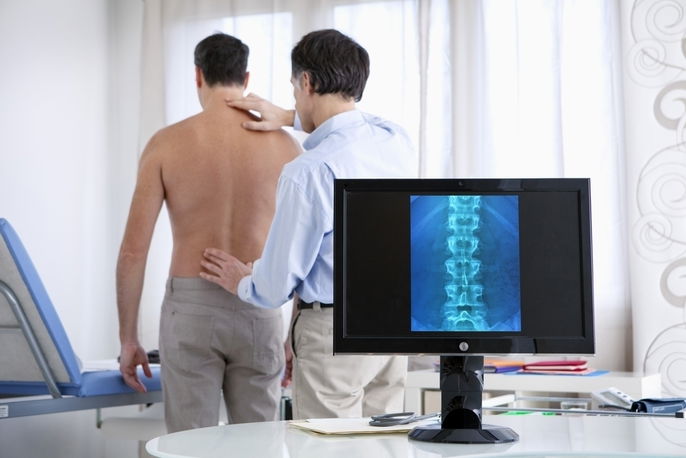
To confirm a spinal fracture, the orthopedic surgeon will usually perform a physical exam and order imaging tests such as an X-ray, CT scan, or MRI.
These tests help confirm the fracture and pinpoint the injury site, which supports a clearer assessment of overall health and the best treatment plan.
Main causes
The main causes of spinal fracture are:
-
Car accidents;
-
Falls from significant heights;
-
Sports-related injuries.
This type of injury may also occur spontaneously in people with osteoporosis or bone tumors, due to weakening of the bones in the spine.
Potential complications
After a spinal injury, the spinal cord (a bundle of nerves that runs inside the spine) can be damaged, which may affect movement in parts of the body below the injury site.
According to the World Health Organization (WHO), the effects of a spinal cord injury depend on where the spine is damaged. Injuries higher up the spine tend to affect more of the body. For example, a neck (cervical spine) injury can cause paralysis in both the arms and legs, while injuries in the upper or lower back (thoracic or lumbar spine) may cause paralysis in the legs only.
Complications from a spinal fracture can occur right after the accident, during transport to the hospital, or within the first hours after treatment begins.
Treatment options
Treatment for a spinal fracture should always start in a hospital under the care of an orthopedic surgeon, as the appropriate approach depends on the severity of the injury. In general, treatment may include:
-
Use of a Jewett brace, cervical collar, or cast: used in cases of spinal fracture without spinal cord injury. This conservative treatment is usually continued for 8 to 12 weeks, until the vertebrae heal;
-
Surgery: used for severe fractures and when the spinal cord is affected. A metal support system, similar to screws, is used to align the spine and help support body weight.
During recovery, strict bed rest is typically recommended during the first week. Daily activities such as walking and sitting should be restarted gradually, while avoiding strenuous exercise like running, swimming, or lifting weights, and following all medical instructions.
If treatment is not done correctly, even with mild injuries, the fracture can worsen. In these cases, there may be a risk of paralysis, even if the spinal cord was not initially affected.
Physical therapy
Although bed rest is still required, the orthopedic surgeon may recommend physical therapy to promote circulation and help prevent muscle loss and pressure sores.
In some cases, the physical therapist may use magnetotherapy to help stimulate bone formation and support fracture healing.
A physical therapist may also guide breathing exercises to help prevent respiratory infections and loosen secretions that can build up in the lungs.
Recovery measures
Some measures that can help prevent complications and support vertebral healing include:
-
Staying on strict bed rest during the first few days, doing only the movements approved by the orthopedic surgeon;
-
Keeping the legs slightly elevated, using 2 pillows under the feet to help circulation;
-
Slowly resuming daily activities as directed by the surgeon, while avoiding more intense exercise such as running or swimming;
-
Avoiding sudden movements of the spine, such as sharply turning the neck or twisting the back;
-
Hydrotherapy, which is a gentler form of physical therapy done in water, can be a good option to support recovery because it allows the spinal muscles to be strengthened without causing pain.
During recovery, it is also important to eat a balanced diet to avoid weight gain and to include calcium and vitamin D to support bone strength, especially in older adults who have a spinal fracture due to osteoporosis.
After full recovery from surgery and with medical guidance, calcium-rich foods and gradual, regular physical activity are recommended to help strengthen the bones.