


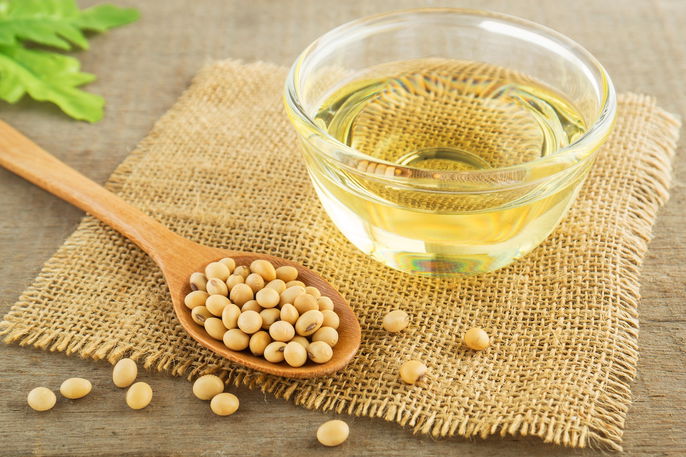
Soybean oil is a vegetable oil extracted from soybeans. It is rich in polyunsaturated fats, omega-3 and omega-6 fatty acids, and vitamin E, and it may offer health benefits such as lowering cardiovascular risk, supporting skin health, and reducing inflammation.
However, soybean oil can be harmful to health when it is heated repeatedly at high temperatures, because this process can lead to the formation of harmful compounds such as acrolein, aldehydes, and trans fats.
Soybean oil can be used cold or heated up to 170°C (338°F) for grilling, sautéing, or baking foods. This vegetable oil can also be used to make sauces, pâtés, and seasonings.
Is soybean oil bad for you?
When used properly (without repeated reheating) and as a replacement for saturated fats in a balanced diet, soybean oil can offer health benefits.
However, soybean oil may be harmful if it is heated many times at high temperatures. Reheating soybean oil at high temperatures can lead to the formation of compounds that are harmful to health, such as acrolein, aldehydes, and trans fats.
Health benefits
The main benefits of soybean oil include:
1. Lowering the risk of cardiovascular disease
The monounsaturated and polyunsaturated fatty acids in soybean oil have anti-inflammatory, antioxidant, and anticoagulant actions, which may help lower the risk of cardiovascular diseases such as heart attack, stroke, and coronary artery disease.
In addition, replacing saturated fats with vegetable oils like soybean oil may help lower total cholesterol and “bad” LDL cholesterol levels in the blood.
2. Improving skin health
Because it is rich in linoleic acid, a type of omega-6 fatty acid, soybean oil can support skin health due to its anti-inflammatory and moisturizing actions.
Soybean oil also contains vitamin E, a nutrient that helps improve skin firmness.
3. Reducing inflammation
Soybean oil contains omega-3 and omega-6 fatty acids, which are healthy fats that can help reduce inflammation.
This vegetable oil also contains vitamin E, a nutrient with anti-inflammatory properties that may help lower the risk of cancer and autoimmune diseases.
4. Preventing type 2 diabetes
Because it contains good amounts of linoleic acid, soybean oil may improve glucose metabolism and help prevent the development of type 2 diabetes.
Additionally, replacing saturated fats with unsaturated fats, such as those found in soybean oil, may also reduce the risk of developing type 2 diabetes and increase insulin sensitivity.
Nutrition facts
The table below shows the nutritional composition per 100 g of soybean oil:
To gain the benefits of soybean oil, it should be included in a balanced and varied diet complemented by regular physical activity.
How to consume
U.S. Dietary Guidelines recommend about 2 Tbsp (27 grams) of oils per day in a 2,000‑calorie diet, and this amount can include soybean oil as a source of healthy unsaturated fats.
Soybean oil can be heated to high temperatures, up to 170°C (338°F), and used for grilling, sautéing, or baking foods. This oil can also be used to make sauces, pâtés, and marinades.
Although soybean oil is safe for cooking, it is not recommended to reuse soybean oil many times. This practice increases the buildup of chemicals that are harmful to health and leads to trans fat formation.
To preserve flavor and quality, soybean oil should be stored in a dark place away from heat, and it should be used within 5 months after opening.
Possible risks
The greatest health risk of soybean oil is repeated heating at high temperatures, as can occur with frying in restaurants and snack bars that do not change the oil often. This is because reheating unsaturated fats at high temperatures can lead to the formation of compounds that are harmful to health, such as acrolein, aldehydes, and trans fats.
Another widely discussed concern is that soybean oil promotes chronic inflammation because it has a high proportion of omega-6 linoleic acid. However, scientific evidence shows that linoleic acid is not inflammatory, because only a small amount of this oil is converted into arachidonic acid, which is a precursor of inflammatory compounds.
It is also believed that the use of solvents to extract soybean oil from seeds, such as hexane, may be harmful to health. However, it is not clear whether traces of hexane in soybean oil can cause health problems, and there is no evidence of risk or danger to people’s health.