


Sleep paralysis is a disorder in which a person is unable to move when waking up or while falling asleep. It may also cause symptoms like a sensation of suffocation, hallucinations, distress, and/or intense fear.
The exact cause of sleep paralysis is not known. However, it is more common in people between the ages of 20 and 30 who have irregular sleep habits and/or sleep very little, and in those with conditions such as anxiety or narcolepsy.
When sleep paralysis is suspected, it is recommended to consult a psychiatrist, especially if episodes are frequent. Treatment may involve strategies to improve sleep quality, psychotherapy, and in some cases, antidepressant medications.
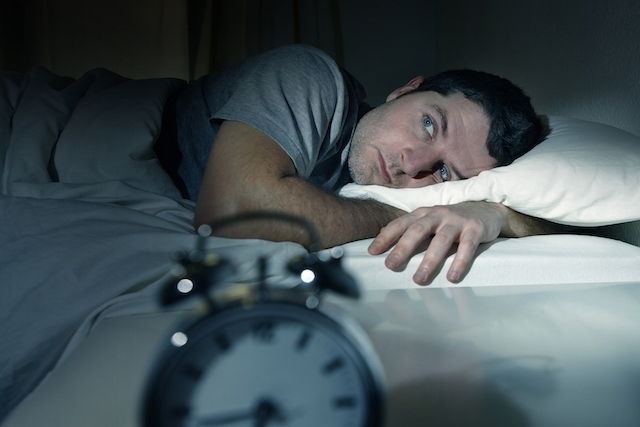
Main symptoms
The main symptoms of sleep paralysis include:
- Inability to speak or move the body despite being awake
- Feeling of suffocation or pressure on the chest
- Distress and/or fear
- Feeling of floating or being outside the body
- Visual and auditory hallucinations
Symptoms usually resolve on their own within seconds to a few minutes, or when the person is stimulated by a sound or physical touch.
Can sleep paralysis be fatal?
Sleep paralysis does not put a person’s life at risk, even though it may cause distressing symptoms like the sensation of suffocation or pressure on the chest. During episodes, the respiratory muscles and all vital organs continue to function normally.
However, sleep paralysis is common in people with narcolepsy, which is a more serious disorder that affects the sleep cycle and can pose health risks if not treated properly.
How to confirm the diagnosis
Diagnosis of sleep paralysis is usually made by a psychiatrist or general practitioner based on the person’s health history, current medications, and the characteristic symptoms.
The doctor may also order tests such as an electroencephalogram (EEG) or a polysomnography (sleep study) to rule out other conditions like epilepsy or narcolepsy, which can cause similar symptoms in some individuals.
Possible causes
Although the exact cause is unknown, sleep paralysis occurs due to a temporary communication issue between the brain and body during sleep, in which the brain delays the return of voluntary movement, resulting in temporary paralysis.
Sleep paralysis is also more common in people who sleep poorly and/or get too little rest, consume alcohol, or have conditions such as narcolepsy or anxiety disorders.
Treatment for sleep paralysis
There is no specific treatment for sleep paralysis. Symptoms tend to disappear on their own after a few seconds or minutes. However, it is possible to exit this state more quickly if someone touches or calls the person.
Treatment focuses on preventing episodes and includes strategies to improve sleep quality, such as getting enough rest at regular times and avoiding energy drinks. Psychotherapy may also be recommended to help manage negative thoughts at bedtime.
Also recommended: How to Fall Asleep Fast: 10 Tips for a Quicker Sleep tuasaude.com/en/how-to-fall-asleep-fastIn some cases, a doctor may prescribe medications such as certain antidepressants to prevent episodes. It is also important to treat any underlying conditions such as anxiety or narcolepsy.
How to prevent it
To help prevent sleep paralysis episodes, it is recommended to:
- Sleep between 6 to 8 hours per night
- Go to bed at the same time every night
- Wake up at the same time every morning
- Avoid energy drinks before bedtime, such as coffee or soda
In most cases, sleep paralysis happens only once or twice in a person’s lifetime. If it becomes frequent, a psychiatric evaluation is recommended.