


Skinny fat describes having a body weight that may look “normal,” but with a higher body fat percentage and lower muscle mass. This body composition can increase the risk of problems like heart disease, type 2 diabetes, fatty liver disease, and some types of cancer.
Common causes of skinny fat include a sedentary lifestyle, an unhealthy diet, poor sleep, and ongoing stress. Genetics may also contribute by making it easier to store visceral fat.
Skinny fat can be detected through body composition assessments such as bioelectrical impedance, skinfold measurements, and waist circumference. Blood tests may also be used for further evaluation. Improving this condition typically involves regular exercise that combines strength training and aerobic activity, a balanced diet, adequate sleep, and effective stress management.
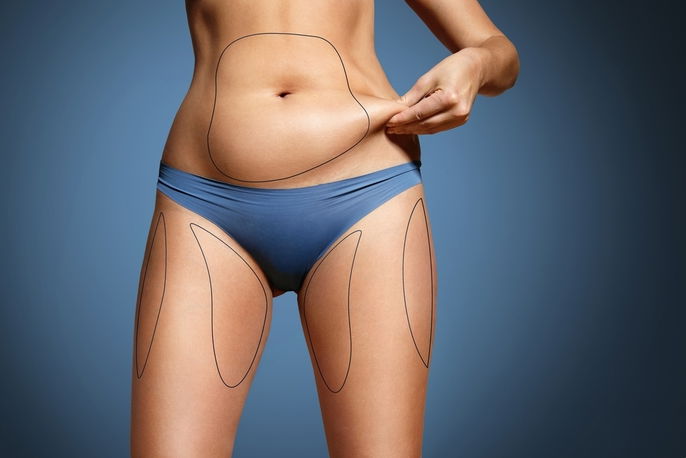
Possible causes
Some factors that can contribute to being skinny fat include:
-
Sedentary lifestyle;
-
Unhealthy diet;
-
Poor sleep;
-
Stress.
Genetics can also play a role. Some people may have genetic changes that make it easier to store visceral fat.
How to identify
To find out if you are skinny fat, a registered dietitian or other healthcare provider can assess your body composition. Tests such as bioelectrical impedance analysis, skinfold measurements, and waist circumference measurements (to estimate body fat percentage and muscle mass) may be used.
Also recommended: Waist to Hip Ratio (Free Online Calculator): How to Measure tuasaude.com/en/waist-to-hip-ratioIn addition, blood tests may be ordered. These can include cholesterol, triglycerides, blood glucose, and tests to check vitamin and mineral levels.
What to do
Some helpful tips for improving body composition include:
1. Eating a healthy diet
Eating a healthy, well-balanced diet can support visceral fat loss and help with muscle gain.
It can help to prioritize minimally processed foods such as vegetables, fruits, legumes, whole grains, lean proteins, seeds, and starchy vegetables.
It is also important to limit ultra-processed foods, such as fast food meals, ice cream, soda, instant noodles, and many breakfast cereals.
2. Exercising regularly
It is important to exercise regularly, about 3 to 5 times per week, for 30 to 60 minutes per day.
A combination of strength training (such as weight training, calisthenics, and CrossFit) and aerobic exercise (such as running, swimming, and cycling) can support fat loss and muscle gain.
According to the American Heart Association, adults should include both aerobic activity and muscle-strengthening exercise each week for better overall health.
3. Getting good-quality sleep
According to the Centers for Disease Control and Prevention (CDC), the recommended amount of sleep for adults is at least 7 hours each day. Getting good-quality sleep, usually 7 to 9 hours per night, can support visceral fat loss. Sleep helps regulate ghrelin and leptin, hormones involved in hunger and fullness.
4. Reducing stress
Reducing stress may help with visceral fat loss because stress can increase cortisol production. When cortisol levels stay very high, it can contribute to fat buildup around the belly.
Ways to manage stress include scheduling regular leisure time, doing psychotherapy, and improving time management.
Possible risks
Possible risks of being skinny fat include:
-
Cardiovascular disease;
-
Some types of cancer;
-
Fatty liver disease;
-
Type 2 diabetes.
Being skinny fat may also increase the risk of metabolic syndrome, a condition associated with obesity and a sedentary lifestyle.