


Shortness of breath happens when air has difficulty reaching the lungs and may occur due to intense exercise, anxiety, pregnancy, or respiratory conditions such as asthma or bronchitis. It can also be linked to more serious problems involving the heart, lungs, or nervous system that require medical attention.
An evaluation of shortness of breath often includes tests such as blood work, a chest X-ray, an ECG, or spirometry to identify the underlying cause. Treatment varies depending on the cause and may involve lifestyle changes, medications like bronchodilators or steroids, and respiratory therapy.
Shortness of breath often improves with rest and slow, steady breathing. However, if symptoms worsen or persist after 30 minutes, it is important to seek emergency care immediately.
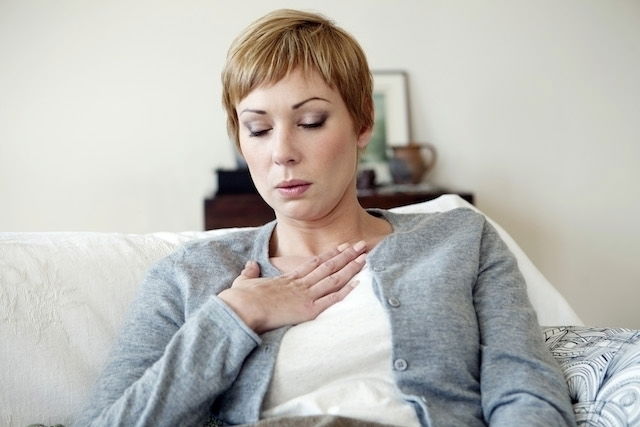
What causes shortness of breath?
Some of the most common causes of shortness of breath include:
1. Stress and anxiety
Emotions are one of the most common causes for shortness of breath in otherwise healthy people, especially in adolescents and young adults. Many people experience difficulty breathing due to anxiety, excess stress, or during a panic attack.
What to do: It is important to talk to a mental health professional who can help you cope with problems that can impact your health. You should also engage in regular physical activity and maintain a healthy diet.
Relaxing teas for anxiety may also be helpful, as well as soothing herbs like chamomile and valerian.
2. Excess physical activity
People who are not physically fit may feel short of breath when they start being active, especially when walking or running. Being overweight can also contribute to shortness of breath, but it can occur even in people who have a healthy body weight.
What to do: In this case, you should continue to engage in regular physical activity so that your heart, lungs, and other muscles can adapt to the higher oxygen demand.
3. Pregnancy
Shortness of breath is common after 26 weeks of pregnancy due to the growing fetus, which displaces the diaphragm and results in less space for the lungs to expand.
What to do: You should sit in a comfortable chair with your back supported, close your eyes and concentrate on your breathing. Try to inhale and exhale slowly and deeply. Ensure you are well-supported by pillows when you are sleeping.
4. Cardiac problems
Cardiac problems, like heart failure, can cause dyspnea (shortness of breath) on exertion, like getting up from bed or going up the stairs. Normally, people with a cardiac condition will experience worsening shortness of breath over time. They may also feel chest pain, like angina.
What to do: You should follow treatment as indicated by your doctor, which generally involves the use of medications. You should also be aware of what symptoms may indicate a heart attack.
5. COVID-19
COVID-19 is an infection caused by a coronavirus, specifically SARS-CoV-2. Symptoms can vary from person to person, ranging from mild flu-like symptoms to more serious symptoms like shortness of breath due to complications like pneumonia.
In addition to shortness of breath, people with COVID-19 may also present with headache, high fever, general malaise, muscle pain, loss of taste or smell, and dry cough. Read more about COVID symptoms.
What to do: If you suspect you have been exposed to COVID-19 or if you have symptoms, you should contact your primary care provider to arrange for testing.
If you test positive, you should remain in isolation from others and communicate your result to anyone you may have come in contact with.
6. Respiratory illnesses
A cold or flu, particularly in people with heavy phlegm production, can cause shortness of breath and coughing. However, more serious conditions like asthma, bronchitis, pneumonia, pulmonary edema, or pneumothorax can also lead to breathing difficulties.
The following lists common respiratory conditions and their typical presentations with shortness of breath:
- Asthma: Difficulty breathing starts suddenly, and can feel like suffocation or cause chest pain. Symptoms like coughing and prolonged exhalation may also occur;
- Bronchitis: Difficulty breathing is directly related with phlegm in the airways or lungs;
- COPD: Shortness of breath begins slowly and worsens over days. It normally affects people with a history of bronchitis or emphysema. It is associated with a strong, productive cough and prolonged exhalation;
- Pneumonia: Shortness of breath comes on gradually and worsens over time. You may also experience back pain or pain in the lungs when breathing as well as fever and a cough;
- Pneumothorax: Shortness of breath starts suddenly and is associated with back pain or pain in the lungs with breathing;
- Embolus: Shortness of breath starts suddenly. This condition mostly affects people who recently underwent surgery, people who are on bedrest, and women who take birth control. Other symptoms may include coughing, chest pain, and fainting.
What to do: For colds or flu, cough syrup can help ease coughing. You can also perform nasal irrigation to improve your breathing. Serious conditions require ongoing monitoring by a doctor, along with targeted treatments such as medications and respiratory therapy.
7. Objects in the airway
Shortness of breath from an object in the airway comes on suddenly, often feeling like something is stuck in the nose or throat, especially during eating. You might hear a high-pitched wheezing sound, or find it impossible to talk or cough. This affects babies and children most often, but can also occur in bed-bound adults.
What to do: If you find an object in the nose or can easily remove one from the mouth, carefully use tweezers to retrieve it. For safety, lay the person on their side when removing airway obstructions. If unsuccessful, call for medical help immediately.
8. Allergic reaction
In this case, shortness of breath starts suddenly. It can be triggered by a medication, food, or an insect bite.
What to do: People with severe allergies should always carry an EpiPen for emergencies and use it at the first sign of a reaction. After using it, call for medical help immediately. If no EpiPen is available or the allergy is unknown, call an ambulance or go straight to the emergency room.
9. Obesity
Overweight and obesity can also cause shortness of breath when lying down or sleeping. Extra weight can diminish lung capacity by limiting lung expansion during inspiration.
What to do: In order to breathe better with less effort, you can use extra pillows to sleep in a more upright position. Prioritize weight loss under guidance from a registered dietitian. For more information, see obesity treatment.
10. Neuromuscular disease
Myasthenia gravis and amyotrophic lateral sclerosis (ALS) can cause shortness of breath due to decreased weakness in the muscles that help with breathing.
What to do: Follow your doctor's treatment plan, which typically includes medications and regular follow-up visits. These appointments allow for monitoring your progress and adjusting medications as needed.
11. Paroxysmal nocturnal dyspnea
Paroxysmal nocturnal dyspnea is a common cause of shortness of breath at night during sleep, which can make sleep difficult. It is often associated with cardiac problems or respiratory illnesses like chronic bronchitis or asthma.
What to do: In these cases, it is important to consult a doctor to arrange for diagnostic testing. Treatment will be determined based on the results.
What to do immediately
If you feel shortness of breath, the first step is to stay calm and sit down in a comfortable spot. Close your eyes so that you can concentrate on your breathing. Then, focus your attention on the air entering and exiting your lungs so that you can regulate your breathing.
If your shortness of breath is due to a temporary illness, like a cold or the flu, you can do at-home steam inhalations with eucalyptus tea vapor. This can clear blocked airways, restore airflow, and ease discomfort.
If your shortness of breath is due to a more chronic condition, like asthma or bronchitis, you may need to use medications specifically prescribed to restore airway flow, like bronchodilators or steroids.