


Shin pain when running is a symptom that can happen when the tibia (shin bone) becomes inflamed, or when the muscles and tendons around it are irritated. This can cause sharp or intense pain along the front of the shin, especially during or after a run.
This type of running-related pain is often called shin splints or medial tibial stress syndrome. It commonly appears after increasing weekly training, changing pace, running longer distances, or having an inefficient foot strike.
Treatment is typically guided by an orthopedic surgeon or sports medicine specialist. Recommendations may include rest to support recovery and symptom relief, pain relievers or anti-inflammatory medicines, and physical therapy.
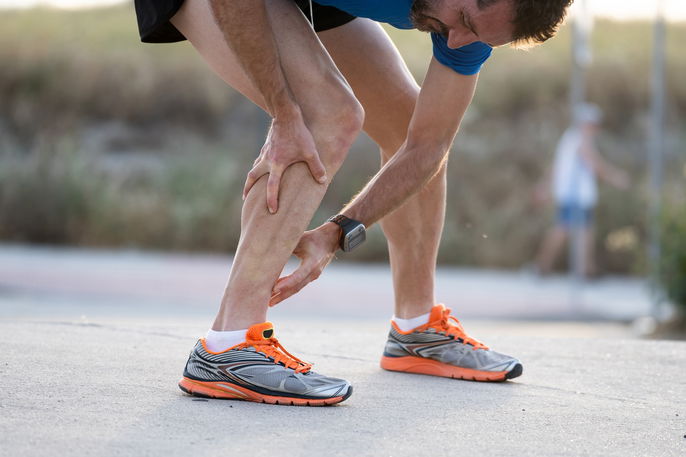
Main symptoms
Shin pain when running may occur along with other symptoms such as:
-
Swelling or redness in the affected shin;
-
Pain that gets worse during or after physical activity;
-
Pain that improves with rest;
-
Tenderness to touch along the shin;
-
Difficulty putting weight on the foot.
This pain can be very uncomfortable and may interfere with everyday activities, such as walking or going up and down stairs.
If shin pain occurs when running, it is important to see an orthopedic surgeon or sports medicine specialist to evaluate the problem and get started on the most appropriate treatment.
Confirming a diagnosis
The cause of shin pain when running is diagnosed by an orthopedic surgeon based on an evaluation of symptoms, health history, number of weekly training sessions and time spent running, and a physical exam of the shin.
In most cases, additional testing is not required. However, the doctor may order an X-ray or magnetic resonance imaging (MRI) to rule out other conditions that can cause similar symptoms, such as a tibial fracture or chronic exertional compartment syndrome (CECS).
Possible causes
Shin pain when running can have several causes. The most common include:
-
Long, intense workouts on hard surfaces like asphalt or concrete, or on uneven terrain;
-
Not getting enough rest between training days;
-
Wearing shoes that are not appropriate for running;
-
Changes in foot strike;
-
Excess body weight;
-
Not doing exercises that strengthen the shins;
-
Skipping stretching and/or a warm-up.
Because of these factors, the tissue covering the shin bone (and/or the muscles and tendons attached to it) can become inflamed. This can lead to pain with running, walking, or going up and down stairs.
What to do
Some strategies that may help relieve shin pain when running include:
-
Gradually reducing running intensity;
-
Resting to prevent symptoms from worsening and to support faster recovery;
-
Applying an ice pack to the shin for 15 minutes to reduce inflammation.
If the pain does not improve within 72 hours or becomes worse, it is important to see an orthopedic surgeon or sports medicine specialist. The doctor may recommend anti-inflammatory or pain-relieving medicines such as ibuprofen, naproxen, or acetaminophen to reduce pain and decrease inflammation in the tibia.
The doctor may also recommend physical therapy. This may include stretching and strengthening exercises for the leg muscles, along with gait and foot-strike correction, to help relieve pain and reduce the risk of recurrence.
Prevention measures
To prevent shin pain while running, stretch beforehand to warm up your muscles and follow a professional-guided training plan. Always respect your body's limits by incorporating rest days between workouts.
It is also recommended not to start training by running right away. Beginning with walking and gradually progressing to running may lower the risk of shin splints and other injuries.
Pay attention to footwear, making sure shoes match the runner’s foot strike pattern. Alternating training surfaces may also help reduce repeated high impact on the same area.
Pain should not be ignored. It is recommended to gradually scale back training and start resting as soon as shin pain begins, because continuing activity can worsen inflammation and increase recovery time.