


Sesame seeds benefits include supporting blood sugar control, aiding weight loss, and lowering the risk of chronic conditions such as high blood pressure, heart disease, and Parkinson’s disease. They are packed with antioxidants that protect the body from oxidative stress.
These seeds come from the Sesamum indicum plant and are valued for their strong nutritional profile. Sesame provides protein, healthy fats, calcium, magnesium, vitamin E, and fiber, which are all essential for overall health.
Different varieties of sesame seeds exist, such as white, black, and brown, each offering unique flavors and nutrients. They can be eaten raw or toasted, added to salads, breads, sauces, or even made into oil, flour, or tahini.
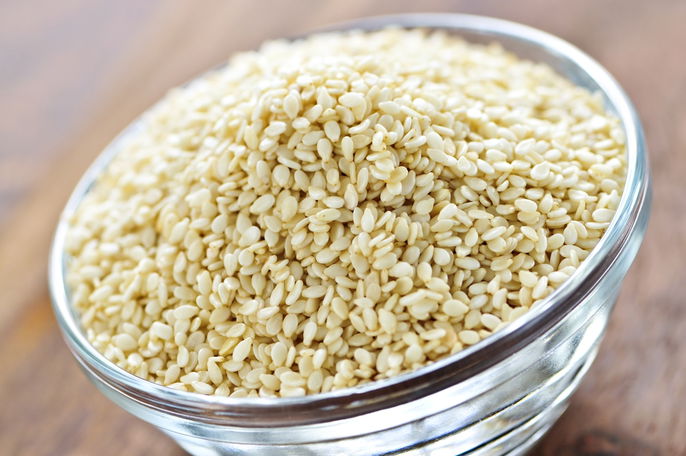
Main benefits
The main benefits and uses of sesame include:
1. Lowering “bad” cholesterol
Sesame seeds contain soluble fiber and compounds like sesamin and phytoestrogens, which help lower LDL cholesterol and triglycerides in the blood.
They also raise HDL (“good”) cholesterol levels, which helps reduce the risk of cardiovascular diseases such as atherosclerosis, stroke, and heart attack.
2. Supporting blood pressure control
Sesame is rich in polyunsaturated fatty acids, sesamin, and vitamin E, which have anti-inflammatory and antioxidant properties.
These nutrients promote blood vessel relaxation and may help regulate blood pressure. Because of this, sesame can be recommended as a complement to medical treatment for hypertension.
3. Relieving constipation
Sesame contains lignans, a type of soluble fiber that increases stool bulk and makes bowel movements easier.
This improves gut health and helps prevent constipation.
4. Supporting weight loss
Sesame seeds are high in protein, healthy fats, and fiber, which promote satiety between meals.
By reducing calorie intake, sesame supports weight management and weight loss, making it a useful addition to weight-control diets.
5. Helping with arthritis relief
Sesamin in sesame has antioxidant and anti-inflammatory effects that may help reduce pain and improve joint mobility in people with arthritis.
This makes sesame a good option to include in arthritis management.
6. Promoting wound healing
Sesame has antioxidant properties that protect tissues from oxidative damage after an injury.
Eating sesame or applying sesame oil to affected skin may help wounds heal more quickly.
7. Reducing cancer risk
Sesamin, the main active compound in sesame seeds, has powerful antioxidant and anti-inflammatory properties.
By controlling oxidative stress, sesame may help lower the risk of developing cancer.
8. Easing menopause symptoms
Some studies suggest that daily sesame seed intake may improve symptoms of menopause in women.
Sesame may help increase estrogen production, reducing symptoms like hot flashes and headaches.
9. Helping control diabetes
Sesame seeds support blood sugar regulation in prediabetes and diabetes because they contain fiber and protein that slow digestion and help stabilize blood sugar levels.
They also contain pinoresinol, a compound that reduces the activity of enzymes involved in sugar absorption.
10. Keeping bones healthy
Because they contain calcium, phosphorus, and magnesium, sesame seeds help maintain strong bones and prevent conditions like osteopenia and osteoporosis.
11. Reducing neurological disease risk
Lignans in sesame are biologically active compounds with neuroprotective effects.
Sesame may help prevent age-related cognitive decline, reducing the risk of neurological conditions such as Parkinson’s, Alzheimer’s, and dementia.
Sesame benefits for men
For men, regular sesame consumption can help lower LDL cholesterol, relieve constipation, and reduce cancer risk.
Types of sesame
The main types of sesame are:
1. Black sesame
Black sesame has a stronger flavor and is often used to season salads, marinate meats and vegetables, and for medicinal purposes.
These seeds contain less protein than other types but have higher levels of lignans such as sesamin and sesamol, which are phenolic compounds with antioxidant properties.
2. White sesame
White sesame has a milder, nut-like flavor and contains more protein than other varieties, though its lignan content is lower.
It is commonly used in baked goods, sprinkled over breads and cakes.
3. Brown sesame
Brown sesame contains about 45 to 50% oil, making it a popular choice for oil production.
It is also rich in protein and has a mild flavor similar to white sesame.
Nutritional information
The table below shows the nutritional value of sesame seeds and sesame oil:
To get all the health benefits, sesame should be part of a balanced, healthy diet.
How to consume sesame
Sesame can be eaten raw or toasted, as seeds, flour, or oil.
A general recommendation is 1 to 2 tablespoons of sesame seeds per day, though the exact amount depends on age, health status, and individual needs. Consulting a nutritionist is recommended for personalized guidance.
Sesame oil
Sesame oil is used in cosmetics and perfumes and may help relieve dry skin and promote wound healing.
It is also rich in polyunsaturated fats, has a mild almond-like flavor, and can be used in salads and sauces.
Sesame seeds
Sesame seeds can be added to yogurt, rice, salads, cereal bars, cereals, porridge, smoothies, or hummus.
To improve nutrient absorption, the seeds should be toasted, soaked, or sprouted before eating. This reduces phytic and oxalic acid, which can interfere with nutrient absorption.
Sesame flour
Sesame flour is made by grinding Sesamum indicum seeds. It has a mild, slightly sweet taste and can be used in cookies, breads, porridges, and cakes.
Sesame recipes
Some recipes made with sesame include:
1. Sesame paste (tahini)
Ingredients:
-
1 cup sesame seeds
-
3 tbsp olive oil
Preparation:
Lightly toast the sesame seeds in a skillet, being careful not to burn them.
Let them cool slightly, then process with the olive oil until a paste forms. Add more oil if needed for consistency, and season with salt and pepper to taste.
2. Sesame milk
Ingredients:
-
1 cup raw sesame seeds with skin
-
4 cups filtered water
-
Water for soaking
Preparation:
Soak the sesame seeds in clean water for 4 hours. Drain, rinse, then blend with the filtered water until smooth. Strain well, store in a sealed container in the refrigerator, and consume within 5 days. The leftover pulp can be reused in breads, cakes, or pies.
3. Sesame cookies
Ingredients:
-
1 ½ cups whole wheat flour
-
½ cup sesame seeds
-
½ cup flaxseeds
-
2 tbsp olive oil
-
1 egg
Preparation:
Mix all ingredients until a dough forms. Roll out, cut into small pieces, place on a greased baking sheet, and poke holes with a fork. Bake in a preheated oven at 350°F (180°C) for about 15 minutes or until golden. Cool before serving.
Possible side effects
Because sesame is high in fiber, eating it in large amounts may cause bloating, gas, abdominal pain, or discomfort.
In some cases, it can also cause diarrhea or constipation if water intake is insufficient.
Sesame seeds may trigger allergic reactions, ranging from mild itching or skin redness to severe reactions like difficulty breathing or anaphylaxis, which requires immediate medical attention.
When sesame is not recommended
Sesame should be avoided by people with a sesame allergy. Those allergic to other nuts, such as peanuts, may also be advised to avoid it.
People taking diabetes or blood pressure medications should use sesame with caution, as it can enhance the effects of these drugs and increase the risk of side effects such as low blood pressure or hypoglycemia.
It is important to consult a doctor before adding sesame to the diet to ensure safe use.