


Senna tea is commonly used to relieve constipation because it contains compounds called sennosides, which have strong laxative and purgative effects. These compounds irritate the intestinal lining and stimulate bowel contractions, making it easier to pass stool.
The parts of the plant most often used are the leaves of Senna alexandrina, Cassia angustifolia, or Cassia senna. These leaves contain the active substances that give senna tea its medicinal properties and can also be processed into capsules.
Senna, also known as sena, cassia, cene, lava-pratos, or mamangá, can be found in health food stores and some pharmacies. It should only be used with guidance from a healthcare professional or a licensed herbalist.
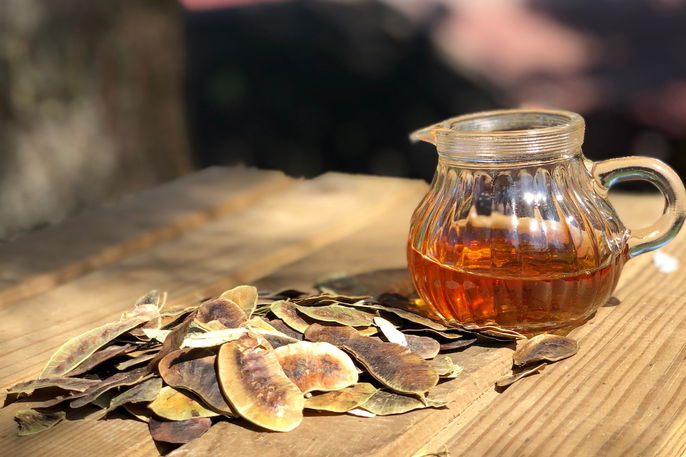
What senna tea is used for
Senna tea is mainly known for its laxative and purgative properties, which is why it is often used to treat occasional constipation.
Also recommended: 7 Tips for Constipation Relief (What To Do When You're Backed-Up) tuasaude.com/en/constipation-reliefBecause it softens stool, it may also help reduce discomfort when passing stool in people with anal fissures or hemorrhoids.
Senna contains sennosides, which act in the large intestine by stimulating contractions and increasing water content in the stool, making bowel movements easier.
Even though it is natural, senna tea should be used cautiously and under medical supervision. Prolonged use can cause severe cramps, disrupt the gut microbiome, and may increase long-term risks for intestinal health.
How to prepare senna tea
The most effective senna tea is made from fresh green leaves, which are stronger than dried leaves. The greener the leaf, the stronger the effect.
Ingredients:
-
1 to 2 g of senna leaves
-
250 mL of boiling water
Preparation method:
Place the leaves in a cup or small pot, add boiling water, and let steep for 5 minutes. Allow it to cool slightly, strain, and drink 1 cup without sugar, preferably before bedtime.
Senna capsules
In addition to tea, senna is also available in capsule form, which can be purchased in health food stores and some pharmacies.
The usual dose is 100 to 300 mg per day, typically 1 to 2 capsules daily, as recommended by a healthcare professional.
Frequently asked questions
Is senna tea harmful?
Senna tea can be harmful if used incorrectly or for long periods. Occasional use is generally safe, but frequent use may cause cramping, diarrhea, and abdominal pain.
Long-term use can also lead to dependency, where the intestines only function with laxatives. It may also interfere with the absorption of nutrients and medications.
Constipation should be managed with help from a gastroenterologist or nutritionist, prioritizing lifestyle changes such as eating more fiber, drinking fluids, and exercising regularly.
How long does it take for senna tea to work?
Senna tea usually works within 6 to 12 hours. For this reason, it is commonly taken at night so that a bowel movement occurs the next morning.
Does senna tea help with weight loss?
Senna tea does not directly burn fat. Any weight loss is due to more frequent bowel movements and fluid loss, but this effect is temporary and may be harmful if overused.
For safe and lasting weight loss, a balanced diet and regular physical activity are recommended.
Also recommended: Weight Loss Diet: Lose Weight Safely (Food List + Free Meal Plan!) tuasaude.com/en/weight-loss-dietCan you drink senna tea every day?
Senna tea should only be used until constipation improves or for a maximum of 7 days in a row.
If symptoms do not improve in that time, it is important to see a doctor to identify the cause and get the right treatment.
Can pregnant women drink senna tea?
Senna tea is not recommended during pregnancy because it can cause strong intestinal contractions, abdominal pain, dehydration, and electrolyte imbalance, which are unsafe for both mother and baby.
Pregnant women experiencing constipation should speak with their obstetrician about safe alternatives.
Does senna tea cause cancer?
Some studies suggest that anthraquinones in senna may damage intestinal cells and increase the risk of colon cancer with long-term use.
However, this link is still debated, as constipation itself is also a common symptom of colon cancer. More research is needed to confirm whether senna tea is truly associated with this risk.
Possible side effects
Possible side effects of senna tea include:
-
Abdominal cramps and pain
-
Diarrhea
-
Bloating
-
Excess gas
-
Nausea or vomiting
-
Dizziness or fainting sensation
-
Dark yellow, orange, red, or brownish urine
In more severe cases, senna tea may cause rectal bleeding, lack of bowel movements even after use, or allergic reactions such as itching, rashes, and swelling of the face, mouth, or throat.
Prolonged or excessive use can also lead to laxative dependency, dehydration, and reduced absorption of nutrients like potassium.
Who should not use senna
Senna should not be used by:
-
Children under 12 years old
-
Pregnant or breastfeeding women
-
People allergic to senna
It is also not recommended for people with intestinal obstruction, appendicitis, diarrhea, inflammatory bowel disease, or unexplained abdominal pain.
Senna should not be combined with heart medications, diuretics, corticosteroids, other laxatives, or estrogen-based birth control and hormone replacement therapy, since it may interfere with hormone absorption.
Because of these risks, it is important to consult a doctor or herbalist before using senna tea to avoid complications.