


- Tingling that is strong, frequent, or lasts over 3 days should be checked by a dermatologist.
- Tingling with itching, flaking, burning, redness, or hair loss may point to a scalp condition.
- Tingling with headache, fever, stiffness, vision changes, or body numbness needs medical attention.
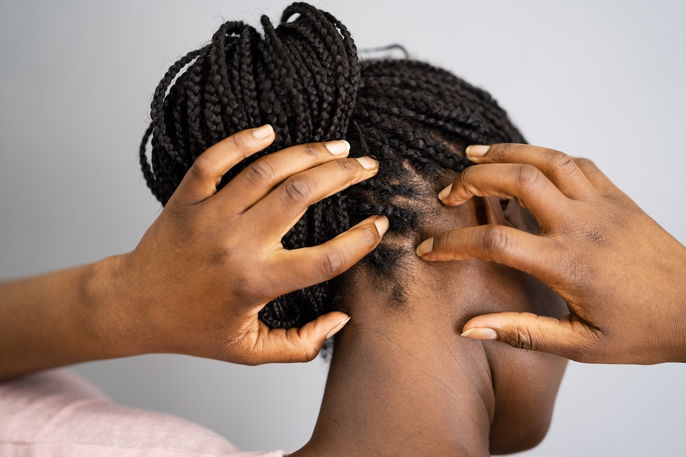
Scalp tingling is a common sensation that is usually linked to mild scalp irritation. It can occur after using hair products, exposure to heat from styling tools, or contact with chemicals that irritate the skin.
In some cases, scalp tingling may be related to skin conditions such as psoriasis, seborrheic dermatitis, folliculitis, or fungal infections. These conditions may also cause symptoms like itching, flaking, redness, burning, or hair loss.
Other possible causes of scalp tingling include stress and anxiety, migraine with aura, neuropathy, hormonal changes, lice infestation, or exposure to very hot or cold temperatures. Treatment depends on the cause and may involve antifungal shampoos, corticosteroid treatments, lice medications, stress management, or medical care from a dermatologist or neurologist.
Main causes
The main causes of scalp tingling include:
1. Skin irritation
Some chemicals in hair products, such as shampoos, hair masks, or styling products, as well as pollution or even heat from a blow dryer, can irritate the scalp and cause tingling.
In these cases, scalp tingling may also happen along with flaking and itching.
What to do: Try to identify the product causing the irritation and stop using it. Over the next few days, use a mild shampoo to help prevent the irritation from getting worse.
2. Psoriasis
Scalp psoriasis causes red, scaly patches with white flakes and may lead to itching, tingling, or a burning sensation on the scalp.
Hair loss can also occur in affected areas, especially during times of stress. According to the American Academy of Dermatology, scalp psoriasis may result in itching, dry scales, and temporary hair loss.
What to do: Psoriasis symptoms may go away on their own even without treatment. However, they can come back during periods of stress. In some cases, a healthcare provider may prescribe medicines such as topical corticosteroids, calcipotriene, topical retinoids, salicylic acid, or coal tar.
3. Seborrheic dermatitis
Seborrheic dermatitis is a skin inflammation that most often affects the scalp, causing tingling, dandruff, patches with yellowish or whitish crusts, redness, and intense itching.
This inflammation can get worse during stressful situations or with exposure to cold or heat.
What to do: Treatment is usually done with antifungal creams and shampoos, corticosteroid solutions or ointments prescribed by a dermatologist, and products that help reduce flaking.
4. Folliculitis
Scalp folliculitis is inflammation at the root of the hair. It may happen because of an ingrown hair or because of an infection caused by bacteria, fungi, mites, or viruses, or by autoimmune changes.
This inflammation can cause scalp tingling, as well as small bumps, burning, itching, and hair loss.
What to do: Treatment for folliculitis should be guided by a dermatologist and depends on what is causing the condition. It may include antifungal solutions when the cause is a fungus or antibiotics when the cause is bacteria.
5. Temporal arteritis
Temporal arteritis, also called giant cell arteritis, is an autoimmune disease that causes inflammation of the arteries.
The most common symptoms of this inflammation are headache, fever, stiffness, and scalp tingling.
What to do: Treatment for temporal arteritis involves the use of corticosteroids, pain relievers, and anti-nausea medicines prescribed by a doctor to relieve symptoms.
6. Lice
A lice infestation, called pediculosis, is more common in school-aged children and usually causes symptoms such as intense itching, the appearance of small white dots in the hair, and scalp tingling.
What to do: According to the CDC, head lice should be treated with an over-the-counter or prescription lice medication applied as directed on the product label.
Using a fine-toothed comb helps remove lice and nits from the hair, and repellents may help prevent re-infestation.
7. Ringworm
Scalp ringworm, also called tinea capitis, is a fungal infection that can cause symptoms such as intense itching and scalp tingling and, in some cases, hair loss.
What to do: Treatment usually involves topical antifungal products, such as ketoconazole or selenium sulfide, as prescribed by a dermatologist.
If topical treatment is not effective, a healthcare provider may recommend oral antifungal medicines.
8. Stress and anxiety
Stress and anxiety can also cause scalp tingling and may happen along with itching, which can sometimes be intense.
This is because stress and anxiety increase cortisol levels in the body, which raises blood flow throughout the body, including the scalp, and may lead to tingling.
What to do: Engaging in enjoyable activities, such as walking or practicing a hobby, and drinking calming teas like valerian or chamomile may help promote relaxation and ease stress or anxiety.
If stress or anxiety become overwhelming or interfere with daily life, it is advisable to consult a mental health professional, who may recommend talk therapy or medication to support emotional well-being.
9. Migraine with aura
Migraine with aura is a type of intense, throbbing headache that can cause tingling or a pins-and-needles feeling in the skin and may also affect the scalp.
Other symptoms may include dizziness, sensitivity to light, tearing, spots in the visual field, or nausea.
What to do: It is important to rest and stay in a quiet, low-light environment, as this may help relieve the migraine and improve dizziness.
In addition, if migraines happen often, it is recommended to see a neurologist to identify the cause and, if needed, start treatment with medicine.
10. Neuropathy
Neuropathy can develop because of damage to the nerves, brain, or spinal cord, leading to symptoms such as numbness or tingling that may affect the scalp and/or other parts of the body.
This condition may be caused by multiple sclerosis, postherpetic neuralgia, uncontrolled diabetes, or the use of certain medicines.
What to do: Treatment should be guided by a neurologist and usually involves controlling the underlying condition and using pain relievers, antidepressants, anticonvulsants, or physical therapy.
11. Hormonal changes
Hormonal changes related to the menstrual cycle, pregnancy, or menopause can sometimes cause tingling sensations on the scalp.
What to do: If the tingling happens often, a gynecologist should be consulted and may recommend hormonal contraceptives or hormone replacement therapy (HRT). During pregnancy, the tingling usually improves after childbirth.
12. Exposure to cold or heat
Exposure to very cold or very hot temperatures can also cause scalp tingling.
In cold weather, the scalp can become drier, which may lead to tingling and itching.
In hotter weather, too much sweating on the scalp can cause irritation, allergies, or even burns, leading to tingling, itching, or burning.
What to do: Stay comfortable by avoiding very hot environments. Choose cool, well-ventilated spaces and wear light clothing. In cold weather, wear warm clothing and a hat to help protect the body and scalp from the cold.