


Salmonella is a type of bacteria that spreads when a person eats food or drinks water contaminated with animal feces, most often through raw or undercooked meat, poultry, eggs, unpasteurized milk, or contaminated raw fruits and vegetables.
Depending on the type of bacteria, a person infected with salmonella may develop salmonellosis or typhoid fever, which can cause symptoms such as vomiting, persistent diarrhea, abdominal pain or cramps, fever, and pink spots on the skin.
In some cases, a salmonella infection can become severe and dangerous. If you suspect an infection, you should be seen by your primary care provider or a gastroenterologist for diagnosis and proper treatment.
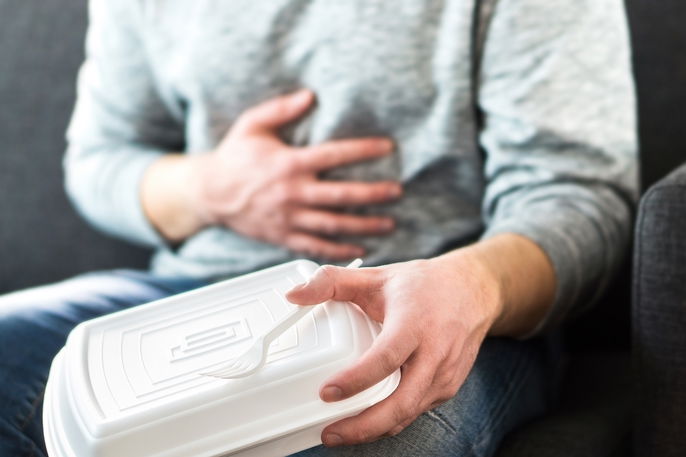
Main symptoms
The main symptoms of a salmonella infection include:
-
Persistent and severe diarrhea;
-
Moderate fever and chills;
-
Nausea and vomiting;
-
Abdominal pain or cramps;
-
General malaise;
-
Fatigue;
-
Headache;
-
Loss of appetite.
Symptoms usually appear 6 to 72 hours after eating contaminated food, most often within 12 to 36 hours, and typically last 2 to 7 days.
In some cases, the infection can lead to severe dehydration or systemic infection, which may require hospitalization.
Also recommended: Food Poisoning: Causes, Treatment & Online Symptoms Quiz tuasaude.com/en/food-poisoningSalmonella on the skin
Infection with Salmonella typhi can cause typhoid fever, a systemic illness that can also affect the skin. In these cases, symptoms may include raised pink spots.
Salmonella infections can also progress to a systemic infection, sometimes leading to Reiter's syndrome, a condition that causes inflammation of the joints and mucous membranes.
Symptom checker
If you think you may have a salmonella infection, enter your symptoms below to assess your risk:
The symptom checker is only a tool and should not be used to diagnose any condition or as a replacement for a consultation with a healthcare provider.
Types of salmonella
Both non-typhoidal and typhoidal salmonella can cause gastrointestinal illness, however these two types differ in severity, symptoms, and how they spread:
1. Non-typhoidal salmonella
Non-typhoidal salmonella is the most common type of salmonella infection and usually causes gastroenteritis or enterocolitis.
Symptoms include diarrhea, vomiting, moderate fever, nausea, malaise, fatigue, loss of appetite, and chills.
This type of infection typically occurs after eating food or drinking water contaminated with animal feces.
2. Salmonella typhi
Salmonella typhi is responsible for typhoid fever, which causes symptoms such as high and persistent fever, malaise, headache, lethargy, constipation or diarrhea, pink spots on the skin, abdominal and muscle pain, sweating, and low heart rate.
This infection can lead to serious complications such as hemorrhage, intestinal perforation, sepsis, shock, and mental confusion.
Transmission of Salmonella typhi usually happens through the consumption of water or food contaminated with urine or feces that contain the bacteria.
Transmission and spread
Salmonella bacteria can be found in animals such as chickens, pigs, reptiles, amphibians, cows, and domestic pets like cats and dogs.
Any food derived from these animals, or that has come into contact with their feces, can transmit salmonella.
Common sources of contamination include contaminated water, raw or undercooked meat, raw vegetables and fruits, eggs, and unpasteurized milk.
People can also become infected after touching animals, their feces, or contaminated surfaces, especially if they do not wash their hands afterward.
Salmonella in eggs
Eggs are one of the main sources of non-typhoidal salmonella infection in humans, particularly when consumed raw or undercooked.
Contamination can occur when eggs come into contact with feces from infected animals or when the inside of the egg is contaminated.
Can salmonella spread from person to person?
Although rare, salmonella can spread from person to person through the fecal-oral route, especially in places where hygiene practices are poor.
High-risk settings include hospitals, nursing homes, and daycare centers.
Transmission occurs when fecal matter from an infected person contaminates another person’s hands, and the bacteria are then ingested.
Confirming a diagnosis
A primary care provider or gastroenterologist can diagnose a salmonella infection through a physical exam and review of symptoms.
To confirm the diagnosis, a doctor may order stool tests or send samples of vomit or suspected contaminated food to the lab for analysis.
If typhoid fever is suspected, additional tests such as blood cultures, bone marrow cultures, and bile cultures may be performed.
Treatment options
Treatment for salmonella infection depends on the type of bacteria and severity of symptoms. It generally includes:
-
Getting plenty of rest;
-
Staying hydrated by drinking water, oral rehydration solutions, herbal teas, or natural juices;
-
Taking pain relievers or fever reducers prescribed by a healthcare provider (for example, acetaminophen);
-
Eating light meals such as soups, boiled vegetables, and rice.
In more serious cases, a healthcare provider may recommend IV fluids, antibiotics (for confirmed typhoid fever or systemic infection), and/or hospitalization if dehydration or complications occur.
All suspected salmonella infections should always be evaluated by a healthcare professional.
Can salmonella be cured?
Yes. Most salmonella infections are curable, and recovery depends on the infection type and the person’s overall health.
However, in rare cases, the infection can be fatal, especially when dehydration is not treated properly, diagnosis is delayed, or treatment is inadequate. It can also be more severe in children, older adults, and people with weakened immune systems.
Prevention tips
To prevent salmonella infection:
-
Drink only safe, treated water;
-
Wash your hands with soap and water after using the bathroom and before handling or eating food;
-
Cook meat and eggs thoroughly;
-
Keep raw meat, poultry, and seafood separate from other foods in the refrigerator;
-
Use different utensils and cutting boards for raw meat and fresh produce;
-
Wash kitchen surfaces, utensils, and cutting boards with soap and water after contact with raw animal products;
-
Avoid eating at restaurants or street vendors that do not follow proper food safety and hygiene practices;
-
Wash fruits and vegetables thoroughly before eating or cooking.
It’s also important to wash your hands after handling pets, such as dogs and cats, to reduce the risk of contamination.