


Salmon benefits include helping maintain and build muscle mass. This fish may also help prevent cardiovascular disease, support skin health, reduce inflammation, and improve mood.
These benefits are possible because salmon contains excellent amounts of omega-3, omega-6, and omega-9 fatty acids. It also provides protein, astaxanthin, and selenium, which are nutrients and carotenoids with antioxidant and anti-inflammatory properties.
Salmon is sold in supermarkets, farmers markets, and fish markets. It can be eaten raw in dishes such as ceviche, sashimi, tartare, and carpaccio, or grilled or baked and served with rice, potatoes, and vegetables.
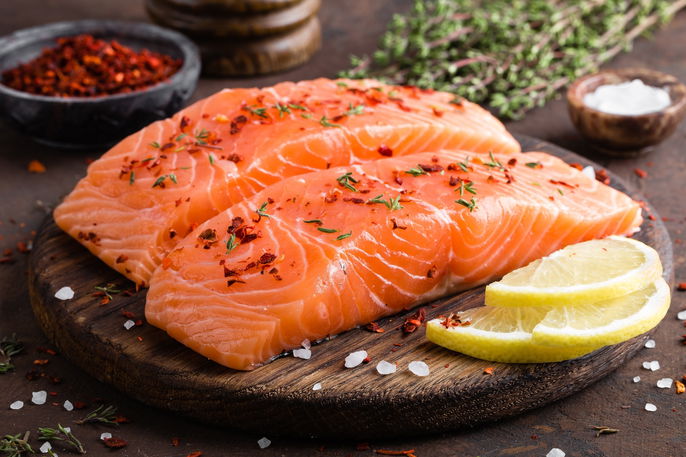
Main benefits
The main health benefits of salmon are:
1. Maintaining and building muscle mass
Because it is rich in high-quality protein, salmon is important for maintaining and building muscle mass, preventing muscle loss, and supporting the formation of muscle cells.
However, to maintain and gain muscle mass, it is also essential to follow a balanced and varied diet and exercise regularly.
Also recommended: 16 Best Muscle-Building Foods to Gain Mass (w/ 3-Day Meal Plan) tuasaude.com/en/muscle-building-foods2. Preventing cardiovascular disease
Because it is rich in omega-3, omega-6, and omega-9 fatty acids, which are healthy fats with anti-inflammatory effects, salmon helps regulate “bad” LDL cholesterol and triglyceride levels, preventing fatty plaque buildup in the arteries and the development of cardiovascular diseases, such as stroke and heart attack.
In addition, the omega-3 in salmon also helps increase “good” HDL cholesterol levels, helping prevent cardiovascular diseases such as high blood pressure and atherosclerosis.
3. Maintaining skin health
Salmon helps maintain skin health because it is a natural source of astaxanthin, a carotenoid with antioxidant and anti-inflammatory effects that protects the skin from damage caused by the sun’s ultraviolet (UV) rays, helping prevent wrinkles, sagging, and skin cancer.
In addition, salmon is rich in omega-3 and omega-6 fatty acids, especially DHA, which are healthy fats that help maintain the skin’s natural protective barrier. This supports hydration, elasticity, and softness by reducing water loss.
4. Helping reduce inflammation
As a fish rich in healthy fats with anti-inflammatory properties, salmon can help reduce the production of inflammatory substances such as eicosanoids and cytokines. This may lower inflammation and support the management of conditions such as rheumatoid arthritis and inflammatory bowel disease.
5. Strengthening the immune system
Because it contains excellent amounts of selenium, vitamin B3, and vitamin B6, nutrients with antioxidant properties that protect and improve the function of immune cells, salmon helps strengthen the immune system.
6. Preventing neurodegenerative diseases
Salmon helps prevent neurodegenerative diseases because it contains protein and vitamin B12, nutrients that help form and maintain cells in the central nervous system, helping prevent neurodegenerative diseases such as Alzheimer’s disease, Parkinson’s disease, and multiple sclerosis.
In addition, the omega-3 in salmon is very important for maintaining brain function, as 60% of the brain is made up of fat, especially omega-3. Therefore, salmon may help protect brain cells, improving memory and reasoning.
7. Maintaining thyroid health
Because it is rich in selenium, a mineral found in high amounts in the thyroid, salmon helps convert thyroid hormones T4 into T3, balancing their levels in the body and maintaining thyroid health.
8. Improving mood
As a food rich in vitamin B6 and tryptophan, salmon helps produce serotonin, a neurotransmitter that improves and regulates mood, sleep, and appetite, helping prevent insomnia, anxiety, and even depression.
9. Helping prevent cancer
Salmon may help prevent the development of cancer, such as lung, breast, prostate, and colon cancer, because it is rich in selenium, a mineral that regulates and protects healthy cells against DNA changes that may lead to tumor formation.
In addition, the antioxidant action of astaxanthin and the anti-inflammatory action of omega-3, both found in salmon, also help prevent cellular damage that may lead to cancer.
10. Preventing osteoporosis
Salmon helps prevent osteoporosis because it contains vitamin D, a nutrient that is important for calcium and phosphorus absorption in the intestines and for the entry of these minerals into bones, helping prevent falls, fractures, and bone pain.
11. Maintaining eye health
With good amounts of the carotenoid astaxanthin, salmon helps improve blood flow in the retina and protects eye cells from damage caused by the sun’s UV rays, maintaining eye health and helping prevent conditions such as eye strain and glaucoma.
Main types
There are two main types of salmon. Wild salmon, also known as Pacific salmon, is caught in the wild and includes chinook, sockeye, coho, pink, and chum varieties. It generally contains more protein, with fewer calories and less saturated fat.
Farmed salmon, or Atlantic salmon, contains higher levels of omega-3 fatty acids but also about twice as much saturated fat. It may also have higher levels of antibiotics and polychlorinated biphenyls (PCBs), which are chemical compounds linked to conditions such as type 2 diabetes, increased tumor risk, and obesity.
Nutrition facts
To get all the benefits of salmon, it should be included in a healthy diet along with regular physical activity.
How to prepare
Salmon can be eaten raw in dishes such as ceviche, sashimi, salmon tartare, and carpaccio.
It can also be baked or grilled, seasoned with herbs and sauces, and served with rice, potatoes, and vegetables.
For the most benefits, it is recommended to eat one 85 g serving of salmon 2 to 3 times per week. According to the American Heart Association, eating two servings of fish, especially fatty fish, per week is recommended as part of a heart-healthy eating pattern.
Healthy recipes
Some healthy salmon recipes include grilled salmon, sashimi, and salmon tartare.
1. Grilled salmon
Ingredients:
-
1 salmon steak
-
Salt and black pepper to taste
-
2 teaspoons of olive oil
Preparation:
Season the salmon with salt and black pepper and let it rest in the refrigerator for 1 hour. Heat a nonstick skillet over medium heat, add the olive oil, and when hot, add the salmon.
Cook for 4 minutes, then flip and cook for another 4 minutes on the other side. Serve immediately with rice, potatoes, or couscous, and vegetables.
2. Salmon sashimi
Ingredients:
-
500 g (1 lb) salmon loin
-
Lemon zest to taste
-
1 tablespoon sesame seeds (optional)
-
Soy sauce (optional)
Preparation:
Cut the salmon loin into medium slices, about 10 g each. Place the slices on a plate and sprinkle with lemon zest. Serve immediately and, if desired, serve with soy sauce and sesame seeds.
3. Salmon tartare
Ingredients:
-
1 skinless salmon steak (200 g)
-
½ red onion
-
1 tablespoon Dijon mustard
-
½ tablespoon homemade mayonnaise
-
Salt to taste
-
Toast bread
Preparation:
Peel and finely chop the onion. Cut the salmon into thin strips and then into cubes. Chop again until very small.
Place the salmon, onion, and mustard in a bowl and mix well. Gradually add the mayonnaise, stirring until smooth. Season with salt to taste. Place on toast and serve.
Frequently asked questions
Some common questions about salmon include:
1. Is salmon an inflammatory food?
Salmon is not considered an inflammatory food because it contains vitamins, minerals, and fatty acids with anti-inflammatory and antioxidant effects.
“Inflammatory food” is a popular term used for foods high in unhealthy fats, refined oils, and sugars that may promote inflammation.
2. Can pregnant people eat raw salmon?
Pregnant people should avoid raw salmon and other raw animal foods, including meat, eggs, and seafood, because of the risk of foodborne illness.
According to the FDA, they should not eat raw or undercooked finfish or shellfish, as these foods can cause food poisoning and increase the risk of toxoplasmosis and salmonella.
Raw salmon should also be avoided by children, older adults, and people with weakened immune systems, such as those with cancer, HIV, or who have had an organ transplant.
