


Royal jelly is a natural substance packed with water, proteins, flavonoids, and essential vitamins. This potent combination offers various health benefits, including supporting the immune system and promoting liver and skin health.
Worker bees produce this nutrient-dense substance specifically to nourish larvae and the queen bee. It features a unique acidic yet slightly sweet flavor and ranges in color from milky white to pale yellow.
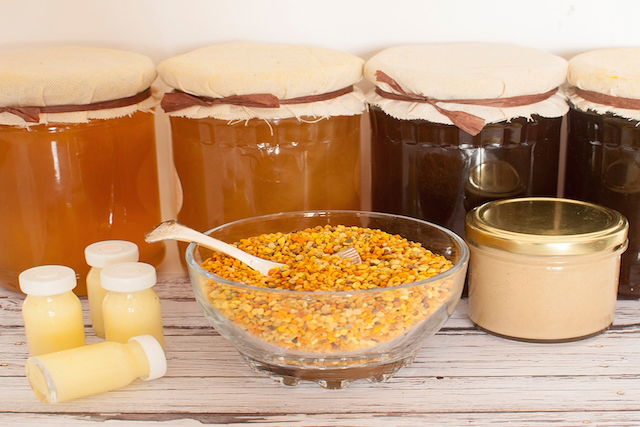
You can typically find royal jelly in health food stores, pharmacies, or local farmers markets. It is commercially available in several convenient forms, such as gels, liquid ampoules, powders, or capsules.
List of benefits
The primary uses and health benefits associated with royal jelly include:
1. Supporting the immune system
Royal jelly contains vitamin B6 and flavonoids, which are organic compounds that help maintain the health of the body’s defense cells. These nutrients work together to help strengthen your overall immune response.
Additionally, royal jelly contains specific proteins like royalactin, royalisin, and MRJPs. These proteins have immunomodulatory properties that help regulate the production of immune cells and reduce inflammatory markers.
2. Reducing cardiovascular disease risk
The flavonoids found in royal jelly, such as quercetin and galangin, may help lower the risk of heart disease. These compounds work to prevent plaque buildup in the blood vessels, which helps improve overall circulation.
However, more clinical research is needed to fully confirm these specific cardiovascular benefits of royal jelly.
3. Helping to lower cancer risk
Royal jelly may assist in reducing the risk of certain cancers due to its bioactive compounds. These substances help protect healthy cells from the damage caused by unstable molecules known as free radicals.
4. Maintaining healthy skin
With high concentrations of water, proteins, and antioxidant phenolic compounds, royal jelly is an excellent natural resource for skin health. Regular use or consumption can help keep the skin hydrated and vibrant.
5. Improving memory and concentration
Because it is rich in vitamin B6 and phenolic compounds, royal jelly offers significant antioxidant and neuroprotective properties. These elements are essential for maintaining cognitive function and brain health.
As a result, royal jelly may help improve focus and memory while potentially lowering the risk of neurodegenerative conditions like Alzheimer’s, Parkinson’s, and age-related dementia.
6. Supporting fertility treatments
Scientific studies suggest that royal jelly may improve sperm count and mobility. This makes it a potential supplemental aid for men undergoing treatment for infertility.
7. Protecting liver health
The antioxidants present in royal jelly help neutralize free radicals and reduce oxidative stress in healthy tissues. This protective action is particularly beneficial for maintaining long-term liver function.
Nutritional information
The following table details the nutritional content for 5 g of royal jelly, which is approximately 1 teaspoon:
To maximize the benefits of royal jelly, it should be consumed as part of a balanced diet and a healthy lifestyle that includes regular physical activity.
How to use royal jelly
There is currently no official standard dose for royal jelly established by clinical guidelines. Therefore, it is important to follow the specific instructions provided by the manufacturer on the product label.
-
Fresh royal jelly: Most manufacturers recommend taking 1/4 to 1/2 of a teaspoon daily, preferably in the morning.
-
Lyophilized royal jelly (capsules): The common recommendation is one or more capsules per day, usually providing between 5 to 25 mg of royal jelly, taken with water.
Royal jelly should be stored in a dark place at temperatures below 41°F (5°C) and can be kept for up to 18 months.
Where to buy pure royal jelly
You can purchase pure royal jelly at most health food stores, vitamin and supplement shops, and pharmacies. It is also frequently available through specialized beekeeping suppliers, supermarkets, and local farmers markets.
How to identify authentic royal jelly
To ensure you are buying high-quality, authentic royal jelly in the US, check the label for a USDA organic seal or third-party quality certifications. Look for seals from organizations like USP (U.S. Pharmacopeia) or NSF International, which verify the purity and identity of supplements.
Possible side effects
While royal jelly is generally considered safe for most people, those with allergies to bees or pollen should be cautious. Allergic reactions can include hives, allergic rhinitis, contact dermatitis, asthma, or in severe cases, anaphylaxis.
Other reported side effects may include stomach discomfort, coughing, or, in rare instances, bloody stools.
Who should avoid royal jelly
People with known allergies to bee stings or pollen, as well as those with asthma or eczema, should avoid royal jelly.
According to general US medical precautions and FDA safety considerations for supplements, pregnant or breastfeeding women and children should not use royal jelly without consulting a healthcare provider.
Additionally, royal jelly is not recommended for individuals taking anticoagulant medications (blood thinners), as it may increase the risk of bruising or bleeding.