


- Rocky Mountain spotted fever is spread by infected ticks and can cause fever, severe headache, muscle pain, and a rash.
- A rash may not appear early, so treatment should not be delayed when the infection is suspected.
- Doxycycline is the first-line treatment for adults and children and works best when started within the first 5 days.
Rocky Mountain spotted fever is an infectious disease that can cause a sudden high fever, severe headache, and a rash on the wrists, palms, ankles, and soles. In severe cases, it can lead to paralysis of the affected limbs.
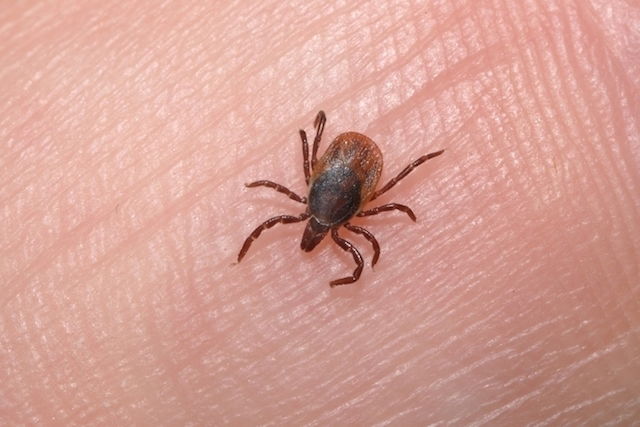
The infection, sometimes called tick fever, is transmitted through the bite of a tick infected with the bacterium Rickettsia rickettsii. In the United States, the main carriers are the American dog tick, Rocky Mountain wood tick, and brown dog tick.
Rocky Mountain spotted fever is curable, but antibiotic treatment should begin as soon as the infection is suspected, ideally within the first 5 days of symptoms. Doxycycline is the first-line treatment for adults and children of all ages and helps prevent severe, potentially life-threatening complications.
Rocky Mountain spotted fever symptoms
The main symptoms of Rocky Mountain spotted fever are:
-
Sudden high fever and chills
-
Severe headache
-
Nausea, vomiting, and loss of appetite
-
Diarrhea and abdominal pain
-
Persistent muscle pain (myalgia)
-
Gangrene in the fingers, toes, or ears
-
Swelling and redness on the palms of the hands and soles of the feet
-
Red eyes
In severe cases, paralysis may begin in the legs and move upward, affecting the muscles needed for breathing and potentially causing respiratory arrest.
Because the symptoms of Rocky Mountain spotted fever can be difficult to recognize, anyone who suspects the infection should seek emergency medical care for evaluation and testing.
Rocky Mountain spotted fever rash
The rash associated with Rocky Mountain spotted fever is caused by inflammation of the blood vessels due to infection with Rickettsia rickettsii. The bacteria damage the cells lining the blood vessels, allowing blood to leak into the surrounding tissues.
During the early stage of the infection, small spots may appear on the wrists, palms of the hands, ankles, and soles of the feet. These spots are usually flat, pink or pale, and do not itch.
According to the CDC, fewer than half of people with Rocky Mountain spotted fever develop a rash during the first 3 days of illness, although most eventually develop one. Therefore, the infection should still be considered when other symptoms are present, even if there is no rash.
By around the fifth or sixth day, if treatment has not been started, the spots may spread to the torso, arms, legs, and neck. They may then develop into dark red or purple dots, indicating bleeding under the skin.
In severe cases, the spots may develop into large purple areas that resemble bruises. Tissue death may also occur, leading to gangrene, especially in the extremities.
Confirming a diagnosis
Rocky Mountain spotted fever is diagnosed based on a person's symptoms, history of possible tick exposure, and a physical examination. Because delaying treatment increases the risk of severe complications, healthcare providers usually begin treatment based on clinical suspicion rather than waiting for laboratory confirmation.
To support the diagnosis, a healthcare provider may order a complete blood count (CBC) to check the platelet count, along with blood tests to measure sodium levels and liver enzymes, such as AST and ALT. Although these findings are common in Rocky Mountain spotted fever, they are not specific to the disease.
According to the CDC, an indirect immunofluorescence antibody (IFA) test may be used to detect antibodies against Rickettsia rickettsii. However, antibody levels are often undetectable during the first week of illness, so paired blood samples collected 2 to 10 weeks apart may be needed to confirm the diagnosis.
Other tests that may be recommended in certain situations include polymerase chain reaction (PCR) testing, immunohistochemistry, and bacterial culture in specialized laboratories.
How it spreads
Rocky Mountain spotted fever is transmitted through the bite of a tick infected with Rickettsia rickettsii. In the United States, the main tick species that spread the infection are the American dog tick, Rocky Mountain wood tick, and brown dog tick.
The American dog tick is found mainly east of the Rocky Mountains, while the Rocky Mountain wood tick occurs in the Rocky Mountain region. The brown dog tick is found worldwide and is an important carrier in parts of the southwestern United States, especially in areas with heavy tick infestations among dogs.
The bacteria are transmitted while the tick feeds. Because the exact attachment time needed for transmission is uncertain, ticks should be removed as soon as possible.
In rare cases, infection may occur if tick fluids or feces enter broken skin, a tick bite, or the eyes. Ticks should not be crushed with bare fingers.
Rocky Mountain spotted fever does not spread directly from person to person. Transmission through a blood transfusion is extremely rare.
Treatment options
Treatment for Rocky Mountain spotted fever should begin as soon as the infection is suspected, even before laboratory results are available. According to the CDC, doxycycline is recommended for people of all ages and is most effective at preventing severe complications when started within the first 5 days of illness.
Doxycycline is usually taken twice daily for 7 to 10 days and continued for at least 3 days after the fever has resolved and the person is showing signs of clinical improvement.
People with severe illness may need to be hospitalized and receive intravenous antibiotics if they cannot take medication by mouth. Supportive care, such as mechanical ventilation, dialysis, or blood transfusions, may also be needed depending on the severity of the condition.
Is Rocky Mountain spotted fever curable?
Rocky Mountain spotted fever is curable when antibiotic treatment is started as soon as possible after symptoms begin, ideally within the first 5 days of illness.
For this reason, healthcare providers recommend starting treatment based on clinical suspicion and a history of possible tick exposure rather than waiting for laboratory test results to confirm the diagnosis.
Delaying treatment can lead to serious complications, including limb amputation, hearing loss, paralysis, and permanent neurological damage. Without prompt treatment, Rocky Mountain spotted fever can be fatal.
How to prevent
Some ways to help prevent Rocky Mountain spotted fever include:
-
Wear light-colored clothing to make dark-colored ticks easier to see.
-
Wear long pants, boots, and long-sleeved shirts when walking through wooded or grassy areas.
-
Avoid walking through areas with tall grass or dense vegetation.
-
Use insect repellent and reapplying it every 2 hours or as directed on the product label.
-
Keep grass trimmed close to the ground.
-
Keep pets regularly treated for fleas and ticks.
-
Check yourself and your pets for ticks.
-
Remove a tick with tweezers, if it is attached to the body.
-
Avoid squeezing or crushing the tick. Pull it out carefully and firmly, and then wash the bite area with soap and water or clean it with rubbing alcohol.
The sooner a tick is removed, the lower the risk of disease transmission. If ticks are found on clothing, tumble-dry the clothing on high heat before washing, or wash it in hot water and then dry it on high heat according to the garment's care instructions.
Anyone who develops symptoms such as fever, headache, muscle aches, or a rash within 2 weeks of a tick bite should seek prompt medical evaluation. After removing an attached tick, monitor for symptoms and contact a healthcare provider if any develop.
