


Rh factor is a protein found on the surface of red blood cells. These cells are responsible for transporting oxygen throughout the body.
This factor is widely used to classify blood types into distinct groups. If the protein is present, the blood is Rh positive (Rh+), while its absence indicates the blood is Rh negative (Rh-).
Although the Rh factor does not directly affect general health, knowing your status is crucial during pregnancy and blood transfusions. Accurate classification helps prevent complications arising from blood incompatibility.
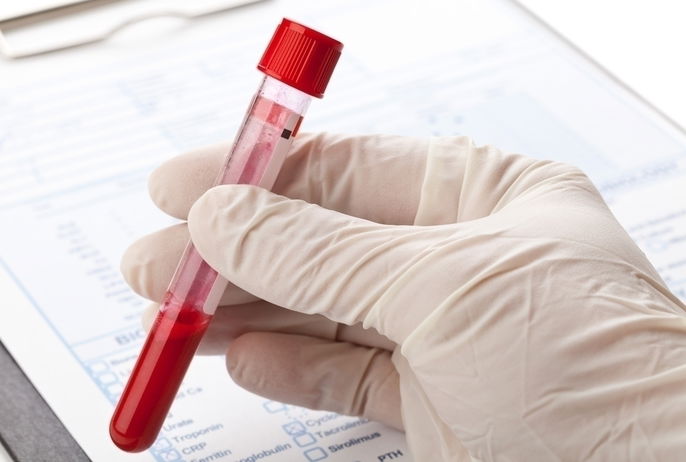
How the Rh test is performed
The Rh factor test, also known as blood typing, requires a small blood sample collected in a laboratory setting. No special preparation or fasting is necessary before the test.
The collected sample is sent to a lab to detect the presence of the protein on the surface of the red blood cells.
Identifying the Rh factor is a simple process that involves adding an antibody solution to a drop of blood. If the red blood cells clump together after the solution is added, the blood is Rh+; if they do not clump, the blood is Rh-.
When to take the test
Doctors typically order the Rh factor test in specific situations, such as:
-
Before undergoing surgery
-
Prior to a blood transfusion
-
When planning a pregnancy
-
During a confirmed pregnancy
Additionally, this test is performed on all donated blood to ensure safety. This guarantees there is no incompatibility between the donor and the recipient receiving the transfusion.
What does Rh positive and Rh negative mean?
Knowing whether you are Rh positive or Rh negative determines what type of blood you can receive during a transfusion. It also guides appropriate prenatal care to prevent blood incompatibility and potential complications for the baby.
Rh positive
People with the Rh factor on their red blood cells are classified as Rh+. They can receive blood transfusions from both Rh+ and Rh- donors, but they can only donate to others who are also Rh+.
Rh negative
People lacking the Rh factor are classified as Rh-. They can donate blood to anyone, regardless of Rh status, but they can only receive transfusions from Rh- donors.
In women, complications can arise during pregnancy if the mother is Rh- and the baby is Rh+, particularly during a second pregnancy.
This happens because, during delivery, the baby's blood may mix with the mother's, triggering her body to produce antibodies against the baby's Rh+ factor. In a subsequent pregnancy, these antibodies can attack the fetus's blood cells, destroying them and causing hemolytic anemia of the newborn.
Risks of Rh incompatibility
Blood incompatibility can occur during a transfusion or pregnancy when an Rh- person receives blood or carries a baby with the Rh+ factor.
This incompatibility triggers the production of antibodies by the Rh- person against the Rh+ blood. This reaction causes the destruction of red blood cells and can lead to serious, life-threatening conditions such as hemolytic anemia or erythroblastosis fetalis.