


Resveratrol is a natural compound found in foods like red wine, purple grapes, and blueberries. It is known for its antioxidant and anti-inflammatory properties that support overall health.
Research suggests that resveratrol may help prevent heart disease, cancer, and signs of premature aging. It can also improve brain function, balance cholesterol, and fight harmful microorganisms.
Available in food and supplement form, resveratrol is often used to support cardiovascular health and reduce inflammation. Understanding its benefits and how to use it safely can help enhance long-term wellness.
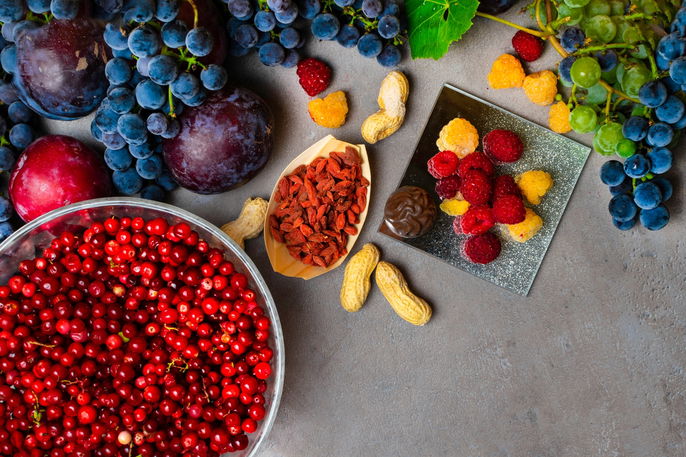
Health benefits
Consuming resveratrol regularly may offer several health benefits due to its antioxidant, anti-inflammatory, and protective properties. These benefits are more likely when resveratrol is part of a balanced diet and healthy lifestyle.
1. May reduce the risk of cancer
Resveratrol contains bioactive compounds that help neutralize free radicals and reduce inflammation. This action can protect cells from DNA damage and may lower the risk of developing certain types of cancer.
2. May slow premature aging
Thanks to its antioxidant properties, resveratrol helps prevent damage caused by oxidative stress. This may delay visible signs of aging, such as wrinkles and skin sagging.
Also recommended: Antioxidants: Health Benefits, Food List & Supplements tuasaude.com/en/antioxidants3. May protect against cardiovascular diseases
Resveratrol has antioxidant, anti-inflammatory, and vasodilatory effects that improve circulation and support arterial health. These properties may help reduce the risk of heart attack, high blood pressure, and heart failure.
4. May support brain health
Resveratrol may help prevent neurodegenerative diseases like Alzheimer’s and Parkinson’s. It helps regulate neurotransmitters and protect brain cells from oxidative stress.
5. May balance cholesterol and triglycerides
By preventing fat cell oxidation, resveratrol can help maintain normal cholesterol and triglyceride levels. This supports heart health and reduces the risk of atherosclerosis.
Also recommended: Low Cholesterol Diet: Foods to Eat & Avoid (w/ Meal Plan) tuasaude.com/en/low-cholesterol-diet6. May fight fungi and bacteria
Resveratrol can inhibit the growth of certain harmful microorganisms. It is active against Gram-positive and Gram-negative bacteria, fungi like Candida albicans, and bacteria such as Campylobacter jejuni and Campylobacter coli, which are common causes of bacterial gastroenteritis.
Types of resveratrol
There are two main types of resveratrol found in foods and supplements: trans-resveratrol and cis-resveratrol. They differ in stability, absorption, and how well they are studied.
1. Trans-resveratrol
Trans-resveratrol is the more stable and better-absorbed form of resveratrol. It has been studied more extensively and is known for its antioxidant, anti-inflammatory, and heart-protective effects.
2. Cis-resveratrol
Cis-resveratrol is less stable and not as easily absorbed by the body. While it also offers health benefits, its effects are less well understood.
Does resveratrol help with weight loss?
Some studies suggest that resveratrol may help with weight management. It has been linked to lower leptin levels, reduced fat in the blood, and better regulation of glucose and insulin.
However, more human studies are needed to confirm the effectiveness of resveratrol for weight loss. It should not be used as a substitute for healthy eating and regular physical activity.
Foods rich in resveratrol
Resveratrol is found naturally in a variety of plant-based foods. Including these foods in your daily diet is one of the best ways to benefit from this compound.
Foods high in resveratrol include:
-
Red wine
-
Purple grapes
-
Natural grape juice
-
Blueberries
-
Peanuts
-
Cocoa
-
Walnuts
-
Cranberries
-
Tangerines
Other good sources of resveratrol include sweet potatoes, soybeans, apples, pears, peaches, and oranges. These foods can be eaten fresh or added to recipes like salads, pasta dishes, desserts, and jams.
How to take resveratrol supplements
The general recommended dose of resveratrol supplements is up to 1500 mg per day for a maximum of 3 months. In some cases, higher doses between 2000 and 3000 mg per day may be advised for a period of 2 to 6 months.
Dosage may vary based on the condition being treated and the person's age, weight, and health status. Following the dosage and duration prescribed by a healthcare professional is essential to avoid side effects.
Possible side effects
Taking resveratrol supplements in high doses or for prolonged periods may lead to digestive discomfort. Reported side effects include:
-
Diarrhea
-
Nausea
-
Gas
-
Vomiting
These effects are usually mild and temporary but should be monitored. Anyone experiencing persistent symptoms should stop using the supplement and consult a healthcare provider.
Who should avoid resveratrol supplements
Resveratrol supplements are not recommended for certain groups due to possible risks or lack of safety data. These include:
-
Pregnant or breastfeeding women
-
Children
-
People with hormone-sensitive conditions, such as breast, ovarian, or uterine cancer, endometriosis, or uterine fibroids
-
People with bleeding disorders or those scheduled for surgery within 2 weeks
For these groups, avoiding resveratrol supplements is important to prevent potential health risks and complications.
Drug and supplement interactions
Resveratrol may interact with certain medications and herbal products, which can increase the risk of side effects or reduce effectiveness. Medical guidance is important in the following situations:
-
Use of anticoagulants (e.g., warfarin)
-
Use of statins, antihistamines, immunosuppressants, or anti-inflammatory drugs
-
Use of other supplements like garlic, ginger, ginkgo, nattokinase, or Panax ginseng
Before starting resveratrol supplements, it’s important to speak with a doctor or dietitian, especially when managing chronic health conditions or taking daily medications.