


Reactive hypoglycemia happens when blood sugar levels drop too low, usually 2 to 5 hours after a meal. This condition can cause symptoms like trembling, sweating, and difficulty concentrating.
Although the symptoms are similar to regular hypoglycemia, specific tests such as postprandial blood glucose and the glucose tolerance test can help distinguish between the two and confirm the diagnosis.
If reactive hypoglycemia is suspected, it is important to see an endocrinologist for a detailed evaluation. Treatment may include dietary changes, medication, or, in some cases, surgery.
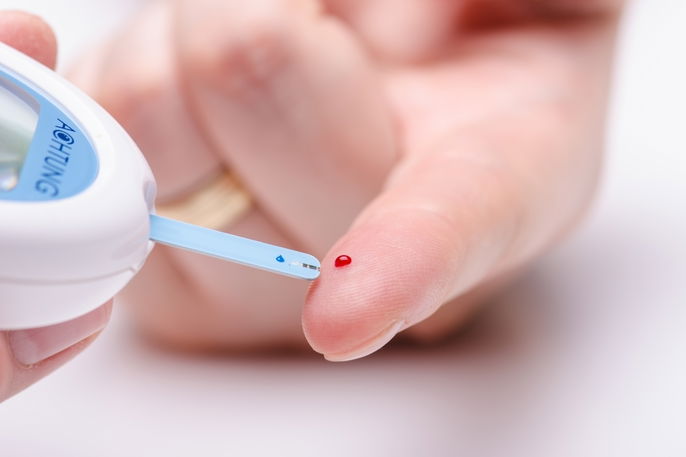
Main symptoms
The most common symptoms of reactive hypoglycemia are:
-
Headache
-
Hunger
-
Nausea
-
Excessive sweating
-
Dizziness and fatigue
-
Sleepiness or agitation
-
Tremors and palpitations
-
Difficulty concentrating
Although these symptoms are similar to those seen in fasting or diabetic hypoglycemia, they usually appear 2 to 5 hours after eating, especially after consuming foods high in sugar.
Also recommended: Hypoglycemia: Symptoms, Causes & Treatment tuasaude.com/en/hypoglycemiaIf more severe symptoms occur, such as seizures or fainting, it is recommended to seek emergency medical care immediately.
Confirming a diagnosis
The diagnosis of reactive hypoglycemia is usually based on symptoms and confirmed through blood tests that measure glucose and insulin levels, ideally performed when symptoms are present. Another useful test is the glucose tolerance test, which evaluates how the body responds to sugar and helps confirm the condition.
It is advisable to schedule a consultation with an endocrinologist to confirm whether you have reactive hypoglycemia and to start appropriate treatment if necessary.
What causes reactive hypoglycemia?
Reactive hypoglycemia can occur when the body becomes overly sensitive to insulin, leading to a sharp drop in blood sugar levels after eating.
It may also happen in people who have undergone bariatric surgery or other stomach procedures that cause food to move too quickly from the stomach to the intestine. Another possible cause is insulinoma, a rare tumor that produces excess insulin.
In addition, reactive hypoglycemia can occur in people with insulin resistance, such as those with type 2 diabetes or prediabetes.
Reactive hypoglycemia and dumping syndrome
Dumping syndrome is one of the possible causes of reactive hypoglycemia. It usually develops after surgery on the stomach or esophagus, such as bariatric surgery. These procedures can alter the structure of the digestive system, allowing food to move too quickly from the stomach into the intestine and causing sudden changes in blood sugar levels.
Treatment options
Treatment for reactive hypoglycemia depends on the underlying cause. It often involves following a balanced diet that limits simple sugars and may include the use of medications such as acarbose or metformin, both FDA-approved for blood sugar management.
In some cases, surgery may be necessary, especially when reactive hypoglycemia develops after bariatric surgery and does not respond well to dietary changes or medication.
Diet for reactive hypoglycemia
Following a balanced diet is an essential part of treating reactive hypoglycemia. Eating smaller meals more frequently, every 2 to 3 hours, can help prevent excessive insulin release after meals.
To reduce the risk of hypoglycemia episodes, limit alcohol intake and avoid foods high in sugar, such as pastries, cakes, and white bread. Instead, choose whole grains and other foods with a low glycemic index to help keep blood sugar levels stable.