


Psoriasis symptoms can vary slightly depending on the type of psoriasis. They usually include red, scaly patches or plaques that can appear anywhere on the body but are especially common on the elbows, knees, and scalp.
Psoriasis symptoms may sometimes improve or go away on their own without treatment. However, symptoms can become more noticeable or severe during periods of stress or illness, such as when you have the flu.
Psoriasis is an inflammatory skin condition that should be evaluated by a dermatologist. A dermatologist can confirm the diagnosis and recommend the most appropriate treatment.
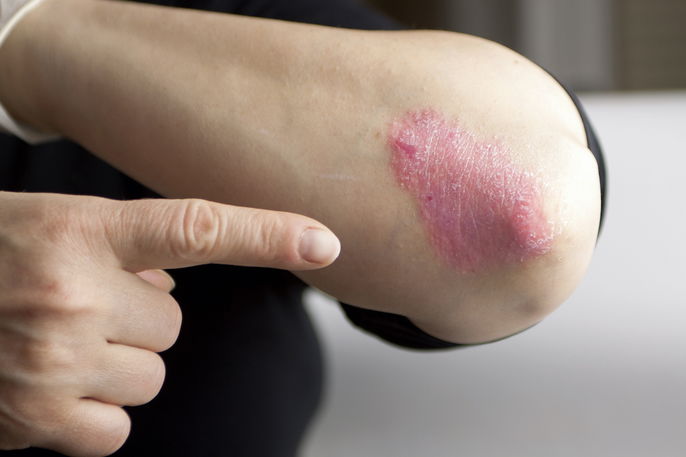
Symptoms of psoriasis
The main psoriasis symptoms include:
- Red patches or plaques on the skin
- Flaky or scaly skin
- Dry, cracked skin that may bleed
- Itching in the affected areas
- A burning sensation
- Pain, in some cases
- Changes in the shape or texture of the fingernails
- Fever, with some types of psoriasis
- Joint pain, stiffness, or swelling, in some cases
Symptoms can vary depending on the type of psoriasis. A dermatologist can evaluate the skin, confirm the diagnosis, and recommend the most appropriate treatment.
Types of psoriasis
Depending on the type of psoriasis, symptoms and characteristics may vary slightly:
1. Plaque psoriasis
Plaque psoriasis is the most common type of psoriasis and is characterized by lesions of different sizes that usually appear on the scalp, knees, and elbows. These lesions are red and well-defined, are usually covered with white or silvery scales, may be very itchy, and can sometimes bleed.
2. Guttate psoriasis
This type of psoriasis is more common in children and young adults and is characterized by small, drop-shaped, scaly spots, especially on the trunk, arms, and legs.
According to the American Academy of Dermatology, guttate psoriasis commonly develops in children and young adults following an infection such as strep throat.
3. Psoriatic arthritis
With this type of psoriasis, joint symptoms can occur along with the red, scaly plaques that are characteristic of the condition. According to the National Institute of Arthritis and Musculoskeletal and Skin Diseases, psoriatic arthritis can cause joint pain, stiffness, and swelling, and most people who develop it already have psoriasis.
4. Pustular psoriasis
Pustular psoriasis is uncommon and is characterized by pus-filled lesions that may appear throughout the body or on the hands. Other symptoms may also occur, including fever, chills, itching, and diarrhea.
5. Nail psoriasis
With nail psoriasis, yellowish discoloration or changes in the shape and texture of the fingernails may occur. These changes can sometimes be mistaken for a fungal nail infection.
Also recommended: Nail Fungus: Symptoms, Causes, Types & Treatment Options tuasaude.com/en/nail-fungus6. Scalp psoriasis
Scalp psoriasis symptoms may become more noticeable during periods of stress. They are characterized by thick, white or silvery scales that stick to the scalp around the hair follicles.
Redness may also develop in the affected area, along with hair loss or thinning in that area.
Psoriasis in children
Psoriasis symptoms in children and adolescents are generally the same as those in adults. However, some differences may occur in very young children.
In children up to 2 years old, psoriasis may mainly affect the diaper area and can resemble diaper rash. Features of psoriasis in young children may include:
-
Mild redness in the affected area, with a slightly shiny appearance and well-defined borders
-
Involvement of the groin folds
-
Itching may or may not occur
About 2 weeks after these lesions first appear, similar psoriasis lesions may develop on the face, scalp, trunk, or limbs.
Treatment options
Psoriasis treatment is aimed at controlling symptoms and should be carried out under the guidance of a dermatologist. Treatment may involve oral medications and topical medications, along with appropriate skin care and regular moisturizing.
It is also important to maintain a balanced diet that includes foods rich in antioxidants and to keep the skin well moisturized.
