


Evening primrose oil is a dietary supplement that contains high levels of gamma-linolenic acid (GLA), an omega-6 fatty acid that plays a role in regulating inflammation and hormones. It is commonly used to help manage conditions such as PMS, menopause symptoms, and rheumatoid arthritis.
This oil is extracted from the seeds of the Oenothera biennis plant and is available in capsule or liquid form. Evening primrose oil is also used to support skin health, help prevent hair loss, and contribute to overall cardiovascular health, although some benefits still require further research.
The effects of evening primrose oil vary depending on the dose, method of use, and a person’s overall health. It can be taken orally or applied to the skin. Because it may cause side effects in some individuals, evening primrose oil should be used cautiously, especially during pregnancy or in the presence of certain medical conditions.
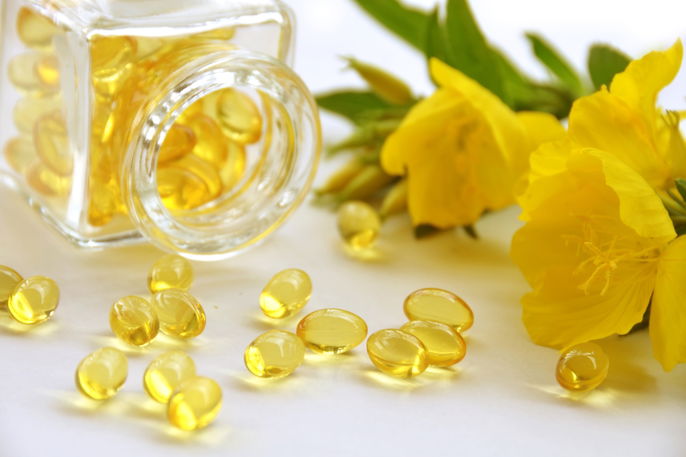
Main benefits
The main benefits of evening primrose oil include:
1. Relieving PMS symptoms
Evening primrose oil is a rich source of gamma-linolenic acid (GLA), a fatty acid essential for producing prostaglandin E1. When prostaglandin E1 levels are low, the body may become more sensitive to prolactin, a hormone linked to premenstrual symptoms such as bloating, breast tenderness, irritability, mood changes, cravings, and headaches.
Evening primrose oil can influence how the body responds to prolactin, which in turn can help relieve PMS symptoms.
2. Reducing hot flashes
The GLA found in evening primrose oil can also help to reduce the frequency, intensity, and duration of hot flashes related to menopause.
One study [1] found that taking 500 mg of evening primrose oil twice daily for six weeks effectively improved hot flashes, suggesting it may be a natural treatment option for women seeking relief.
Also recommended: 13 Natural Remedies for Menopause Symptoms tuasaude.com/en/natural-remedies-for-menopause3. Helping treat high blood pressure
Some studies [2,3] show that evening primrose oil can help to treat high blood pressure. Participants of these studies showed an overall reduction in blood pressure when 500 mg in capsule-form was taken twice a day.
It is important to note, however, that evening primrose oil was not effective in treating high blood pressure related to pregnancy or preeclampsia.
4. Preventing cardiovascular disease
A study completed in rats [4] showed that the GLA in evening primrose oil can help to boost HDL ("good") cholesterol levels and reduce the bad cholesterol that builds up in the arteries. Due to its anti-inflammatory action, it can also help to prevent the development of cardiovascular diseases like atherosclerosis, heart attack, and stroke.
However, more studies in humans are needed to prove this benefit.
5. Preventing blood clots
The GLA in evening primrose oil has an anti-aggregate action that helps to decrease the formation of blood clots and improves circulation. This effect may support the prevention of thrombosis and other cardiovascular conditions such as heart attack.
6. Improving skin health
GLA found in evening primrose oil acts as anti-inflammatory, which can help to boost the skin’s elasticity, moisture, and firmness.
Evening primrose oil can also treat skin redness and dryness, which is why it is often used to manage inflammatory skin diseases, like acne, eczema, psoriasis, and dermatitis.
7. Preventing hair loss
Evening primrose oil can help promote hair growth and prevent hair loss thanks to the anti-inflammatory properties of GLA. By improving nutrient delivery to the scalp, it helps protect hair follicles from damage and promotes healthy cell renewal.
A deficiency in essential fatty acids can contribute to hair loss, as these nutrients are vital for maintaining healthy hair. Evening primrose oil may help prevent hair loss by providing these beneficial fatty acids.
8. Helping manage rheumatoid arthritis
Because gamma-linolenic acid (GLA) has anti-inflammatory properties, evening primrose oil may help relieve pain associated with rheumatoid arthritis. It can be used as a supportive supplement alongside standard medical treatment for this condition.
Dosing instructions
Evening primrose oil can be used in capsule or liquid form. There is no specific dosing schedule, which is why it should only be taken under medical supervision.
1. Evening primrose oil capsules
Evening primrose oil capsules should be taken orally. Most manufacturers produce 500 mg capsules and advise taking one capsule once or twice a day before meals.
Duration of treatment depends on the underlying condition and should be directed by a doctor or herbal medicine specialist.
2. Liquid evening primrose oil
Liquid evening primrose oil can be used topically on the skin. Before using, perform an allergy test by placing a drop of the oil on the skin of the inner arm, then cover for 24 hours and monitor for irritation, redness, or itchiness. If allergy symptoms are noted, do not use evening primrose oil.
To apply evening primrose oil to your scalp, first dilute it with a carrier oil such as coconut or almond oil. Massage the mixture onto the affected areas of your scalp, ensuring the skin is dry to help with absorption. After about 30 minutes, rinse or shampoo your hair as usual to remove the oil.
Side effects
Although it is generally well-tolerated, evening primrose oil can cause side effects, especially if taken in large quantities. Some side effects may include headache, abdominal pain, vomiting, or diarrhea.
The side effects of topical evening primrose oil are still not well known, which is why it should only be used under the supervision of a doctor or herbal medicine specialist.
Contraindications for use
Evening primrose oil should not be used by people with an allergy to GLA or to plants in the onagraceae family, like primrose.
It should only be used by children or pregnant people under the supervision of a doctor.
People with a history of epilepsy or bleeding disorders should avoid using evening primrose oil. It is also not recommended for those taking anticoagulant or anti-inflammatory medications. In addition, evening primrose oil should not be used together with medicines for mental health conditions (such as chlorpromazine, thioridazine, or fluphenazine) or for high blood pressure (such as losartan).