


Pozole is a traditional Mexican dish made with nixtamalized corn, meat, and seasonings. Scientific studies have shown that pozole not only offers rich flavor and cultural significance, but it can also provide nutrients and potential health benefits. This is due to its ingredients and the nixtamalization process, which enhances the nutritional value of corn.
There are several types of pozole depending on the region and ingredients, such as red, green, and white pozole, each with unique characteristics. Eating pozole can help increase daily intake of fiber, antioxidants, and protein, depending on the specific ingredients used.
However, some versions of pozole, especially those made with fatty cuts of meat or too much salt, may not be suitable for everyone. People with high blood pressure, high cholesterol, or food allergies should talk to a doctor before adding pozole to their diet.
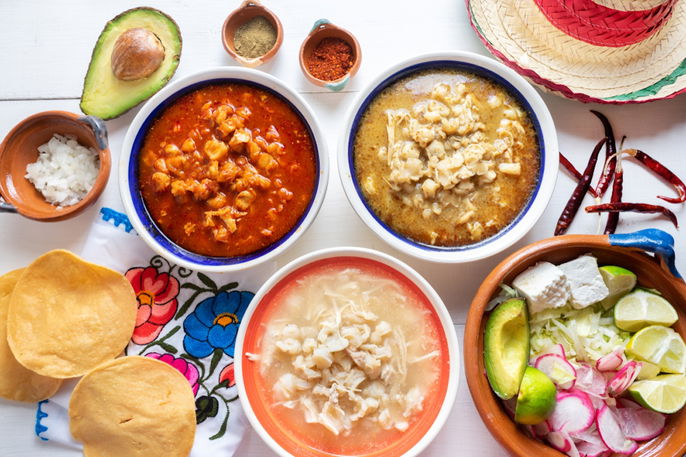
4 health benefits of pozole
The main health benefits of pozole are:
1. Improves digestion
The nixtamalization process used to prepare the corn in pozole increases its fiber content, which promotes regular bowel movements and supports digestive health by preventing constipation.
2. Provides antioxidants
Pozole, especially when made with blue corn and fresh vegetables, contains antioxidants that help protect cells from damage caused by free radicals.
3. Good source of protein
When made with chicken, pork, or turkey, pozole can be a valuable source of high-quality protein, which is essential for maintaining muscles and tissues.
4. Promotes fullness
Because it contains fiber, vegetables, and protein, pozole helps you feel full and may help control hunger between meals.
Using these ingredients and cooking methods contributes to the nutritional value of pozole. However, it is important to choose leaner versions and avoid adding too much salt.
Types of pozole
The main types of pozole are:
1. Red pozole
Red pozole is made with nixtamalized corn and meat, along with guajillo or ancho chili peppers that give it a deep red color and intense flavor. It is most common in the states of Guerrero and Jalisco.
2. Green pozole
Green pozole is made with tomatillos, cilantro, and pumpkin seeds, which give it its fresh taste and distinctive green color. It is especially popular in central and southern Mexico.
3. White pozole
White pozole is prepared with only corn, meat, and broth, without sauces or added coloring. It is typically served with toppings such as lettuce, onion, and radishes.
Each version keeps the traditional base but differs in the seasonings and vegetables used. Regional ingredients add richness to the flavor and variety of the dish.
Origin of pozole
Pozole has pre-Hispanic origins and was linked to ceremonial rituals of ancient Mexican Indigenous cultures. Research indicates that nixtamalized corn was considered a sacred food and that cooking it with lime improved its nutritional value and digestibility.
Over time, pozole evolved and diversified with colonial influences and regional ingredients. Today, it is regarded as a national culinary symbol, especially during Mexican Independence celebrations, as it brings families together and helps preserve cultural traditions.
Nutritional information
Nutritional information per 100 g of pozole:
Nutritional values may vary depending on the type of pozole and the ingredients used. To get the most benefits, pozole should be included as part of a balanced and healthy diet, combined with regular physical activity.
Pozole recipes
The traditional pozole recipe includes nixtamalized corn, meat (chicken, pork, or turkey), water, and seasonings. Pozole can be adjusted to suit personal preferences and dietary needs, always using fresh ingredients and traditional cooking techniques.
How to make red pozole
Ingredients for the pozole:
-
500 g (about 2½ cups) of hominy corn (pre-cooked or cacahuazintle)
-
1 kg (2.2 lb) of pork (spine, leg, or loin)
-
500 g (1.1 lb) of pork ribs (optional, for more flavor)
-
1 medium onion
-
4 garlic cloves
-
Salt to taste
-
Water as needed
Ingredients for the red sauce:
-
5 guajillo peppers
-
3 ancho peppers
-
2 arbol peppers (optional, for extra spice)
-
2 garlic cloves
-
¼ onion
-
A pinch of dried oregano
-
Salt to taste
Preparation:
Start by cooking the hominy. Wash it thoroughly and place it in a large pot with plenty of water, half an onion, and two garlic cloves. If using pre-cooked hominy, follow the package instructions. If using raw cacahuazintle corn, cook for about three hours until the kernels are soft and have popped.
In another pot, cook the pork and ribs with the remaining onion, two garlic cloves, and a little salt. Cover with water and boil until the meat is tender, about one hour. Once done, remove the meat, shred it, and strain the broth, which will be used as the base of the pozole.
To prepare the red sauce, clean the guajillo and ancho peppers by removing seeds and veins. Boil them for five minutes, then let them sit for another ten minutes to soften. Blend the peppers with garlic, onion, oregano, and some of the soaking water until smooth. Strain the mixture to remove skins or seeds and add it to the meat broth. Boil for 15 minutes to concentrate the flavor.
Add the cooked hominy and shredded meat to the broth. Adjust the salt and simmer for another 20 minutes to let the flavors blend.
Serve hot in deep bowls, topped with chopped lettuce, sliced radishes, onion, oregano, chili powder, lime juice, and served with tostadas or tortillas.
How to make green pozole
Ingredients for the pozole:
-
500 g (about 2½ cups) of hominy corn (pre-cooked or cacahuazintle)
-
1 kg (2.2 lb) of pork (spine, leg, or loin)
-
500 g (1.1 lb) of chicken (breast or skinless thighs, optional)
-
1 medium onion
-
4 garlic cloves
-
Salt to taste
-
Water as needed
Ingredients for the green sauce:
-
8 tomatillos
-
5 poblano peppers
-
3 serrano peppers (adjust to taste)
-
1 bunch of fresh cilantro
-
1 bunch of epazote
-
¼ onion
-
2 garlic cloves
-
½ cup of toasted pumpkin seeds (pepitas)
-
Salt to taste
Preparation:
Cook the hominy in a large pot with water, half an onion, and two garlic cloves until the kernels are soft and popped. Cooking time varies depending on whether you use pre-cooked or raw cacahuazintle corn.
In another pot, cook the pork and chicken with water, the remaining onion, garlic, and salt. When the meat is tender, remove and shred it. Strain the broth to use as the base for the pozole.
For the green sauce, roast the poblano peppers, peel them, and remove the veins. Boil the tomatillos and serrano peppers for five minutes. Blend the roasted poblanos, tomatillos, serranos, cilantro, epazote, onion, garlic, and toasted pumpkin seeds with some of the cooking water until smooth.
Pour the sauce into the broth and boil for 15 minutes to bring out the flavor. Add the cooked hominy and shredded meat, adjust the salt, and simmer for another 20 minutes.
Serve hot in bowls with lettuce, radishes, onion, lime juice, oregano, and avocado. Tostadas or tortillas are perfect sides.
How to make white pozole
Ingredients:
-
500 g (about 2½ cups) of hominy corn (pre-cooked or cacahuazintle)
-
1 kg (2.2 lb) of pork (spine, leg, or loin)
-
500 g (1.1 lb) of chicken (optional, breast or thighs)
-
1 medium onion
-
4 garlic cloves
-
Salt to taste
-
Water as needed
Preparation:
Wash the hominy and place it in a large pot with water, half an onion, and two garlic cloves. Cook until the kernels are soft and open, about one hour for pre-cooked hominy or up to three hours for raw cacahuazintle corn.
In another pot, cook the pork and, if desired, chicken with water, the remaining onion, garlic, and salt. Once the meat is tender, remove and shred it. Strain the broth and use it as the base for the pozole.
When the hominy is ready, add it to the broth along with the shredded meat. Adjust the salt and simmer for 20 minutes so the flavors combine.
Serve hot in bowls with chopped lettuce, sliced radishes, onion, dried oregano, lime juice, chili powder, and tostadas or tortillas.